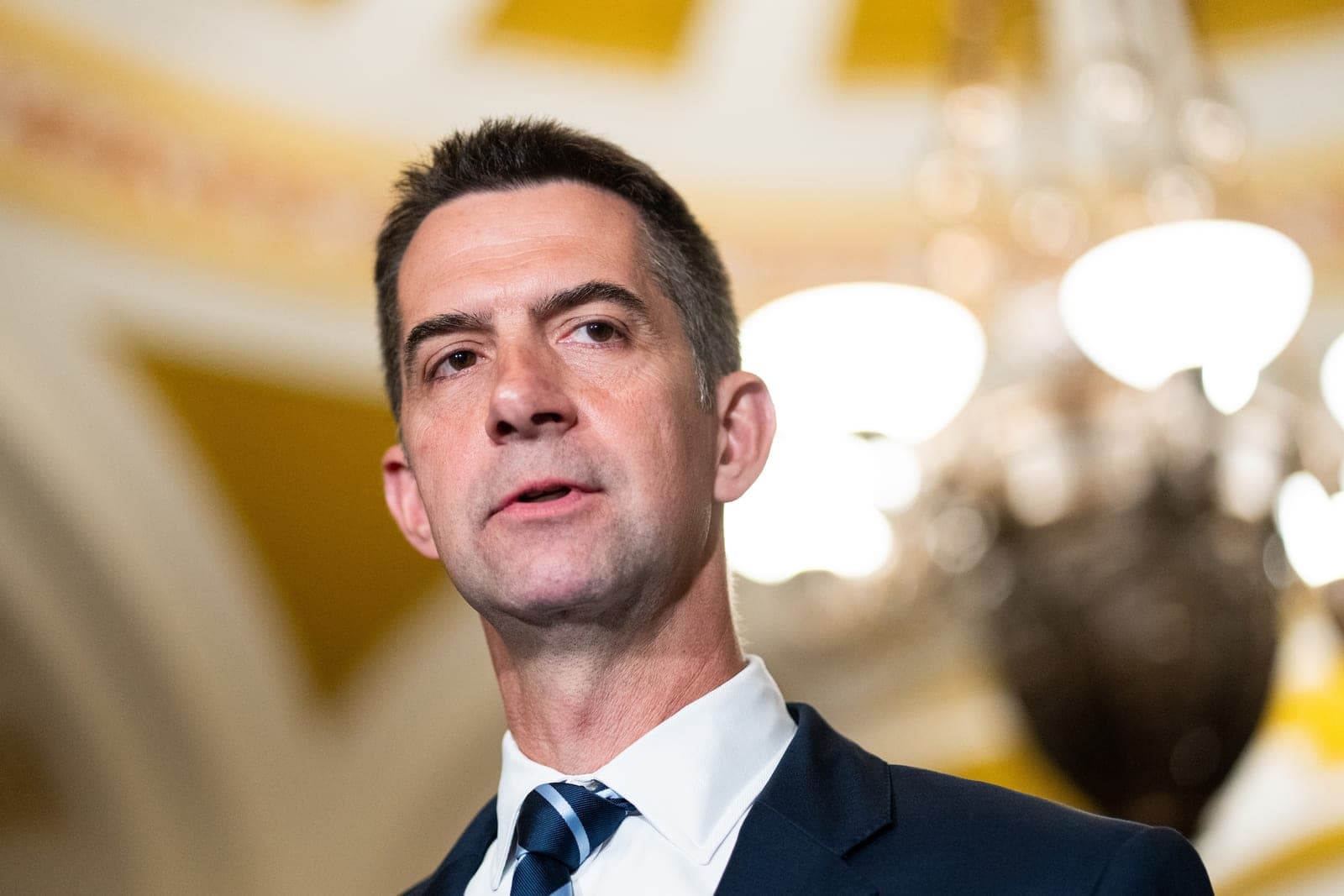
Trump cyber heckles Sen. Tom Cotton over daylight saving time
Cotton defended his opposition to permanent daylight saving time, saying winter mornings would be too dark for Arkansas schoolchildren.
SOURCE CHECK
TAP FOR WHYMS NOW is a national news publisher, and the article identifies its author and describes direct reporting, including an attempted call and a request for comment. The article attributes the central claims to the participants’ public posts.
- Source type — National news outlet, supporting an established-newsroom prior.
- Editorial standards — The piece distinguishes reported events from the participants’ attributed claims.
- Author attribution — A named author is credited.
- Transparency — It describes an attempted call and a request for comment, while noting Cotton’s office had not responded.
The article uses direct social-media statements, reports an effort to verify the posted number, and includes Cotton’s explanation of his position. It offers some context but limited independent detail about the legislation or other senators’ views.
HOW WE SCORE ↗The article gives readers both Trump’s case for permanent daylight saving time and Cotton’s objection, while also reporting the phone-number post and Cotton’s lack of immediate response. It provides limited broader context on the policy dispute.
- Counterarguments presented — Trump’s arguments and Cotton’s opposing rationale are both included.
- Source diversity — The article relies chiefly on the two politicians’ own posts, with reporting by the outlet about its call and comment request.
- Loaded language — The headline uses a mildly charged description, but the article body is mostly factual.
- Omitted context — It notes other Republican senators object but gives little detail about their reasons or the bill’s history.
The article reports the dispute in mostly neutral language, attributing arguments to Trump and Cotton. It does not clearly endorse either position on the daylight-saving-time legislation.
- Language tone — The report is largely descriptive, though the headline’s “cyber heckles” phrasing is somewhat colorful.
- Source selection — It includes statements from both Trump and Cotton.
- Framing — The focus is Trump’s public callout and Cotton’s response, without an explicit policy verdict.
President Donald Trump posted what appeared to be Sen. Tom Cotton’s phone number and urged followers to call him over Cotton’s opposition to permanent daylight saving time. Cotton defended his position, citing winter morning darkness for Arkansas schoolchildren.
Trump accused Cotton of holding up the Sunshine Protection Act and urged followers to call the senator after posting a number with a northeast Arkansas area code. MS NOW reported that a call to the number reached a full voicemail box, and Cotton’s office had not immediately responded to its request for comment.
Cotton posted that he opposes permanent daylight saving time because earlier attempts were repealed after winter sunrises became too late, and said Arkansas children should not have to go to school in the dark. Trump separately argued that permanent daylight saving time would provide more afternoon daylight for activities including golf and farming.
Community verdict
15 VOTES
People in this story
SWIPE →
President who posted Cotton’s apparent phone number and urged calls
Trump's version of this story ↗
Part of a bigger story
50 OUTLETSOutlets agree that Trump urged people to contact Sen. Tom Cotton and posted a number he said belonged to Cotton as he pushed for permanent daylight saving time. Cotton opposes the change, citing dark winter mornings. Left-leaning outlets focus on Trump's public pressure and phone-number post, often presenting the disclosure as an inappropriate or ineffective tactic. Center outlets largely describe both sides' policy arguments and the phone-number episode. Right-leaning outlets often pair Trump's push with Cotton's winter-morning objection, though some portray Cotton as delaying action.
- ARTICLES
- 72
- OUTLETS
- 50
- AVG CRED
- 68

Discussion · 0
Loading comments…