Abdul El-Sayed and Elissa Slotkin have their differences — and argue their common ground is more important
Slotkin said Democrats can work across differences and described campaign priorities and strategy.

SOURCE CHECK
TAP FOR WHYMS NOW is an established national news organization, and the article identifies its reporter and includes original interviews. Its reporting offers some independent context, though several polling claims are not detailed in the text.
- Source type — Established national news outlet with an editorial operation.
- Transparency — The article identifies its interview subjects and includes their direct remarks.
- Author attribution — A named reporter is credited.
- Editorial standards — The reporting is presented as news and attributes claims, but the text offers limited detail about the cited polls.
The article includes original interviews, direct quotations, a voter’s perspective and polling context. The polling is described without identifying most surveys or giving their full methodology, and the opposing campaign is not interviewed.
HOW WE SCORE ↗The article provides both candidates’ views, a voter’s perspective, polling context and some explanation of the race. It does not include a response from Rogers or his campaign, limiting the range of perspectives.
- Counterarguments presented — The candidates’ differences are noted, but no opposing-campaign argument is included.
- Source diversity — Includes two candidates, a voter and polling references, though the candidates dominate.
- Opinion vs reporting — Reported as news, with most evaluative statements attributed to sources.
- Omitted context — The cited polls and Republican spending are discussed without much detail about their sources or scale.
The article reports the candidates’ remarks and campaign context in largely neutral language. Its emphasis on their shared approach reflects the subject of the joint event rather than a clear partisan endorsement.
- Language tone — Mostly descriptive language, with claims and opinions attributed to the speakers.
- Source selection — The story focuses on the two interviewed Democrats and includes a local voter, but no Republican campaign response.
- Framing — The framing emphasizes the candidates’ shared ground and campaign appearance.
Abdul El-Sayed and Sen. Elissa Slotkin campaigned together in Michigan and argued that shared priorities can outweigh their differences. They discussed possible bipartisan work and the close Senate race, with El-Sayed pointing to a financial disadvantage.
In a joint interview after their first shared campaign appearance, El-Sayed and Slotkin said their differing views and faith backgrounds need not prevent them from working together. They discussed government oversight, unions, public education, artificial intelligence and food safety, and Slotkin said Democrats should challenge President Donald Trump to veto legislation on housing or quality of life.
The article described the Michigan Senate race between El-Sayed and Republican Mike Rogers as close. It reported that a Fox News poll gave El-Sayed a one-point lead among likely voters, while other surveys showed a somewhat larger lead still within the margin of error. El-Sayed attributed the close race to a “deep money disadvantage” and Republican spending; Slotkin predicted the Midwest would be central on election night.
Community verdict
15 VOTES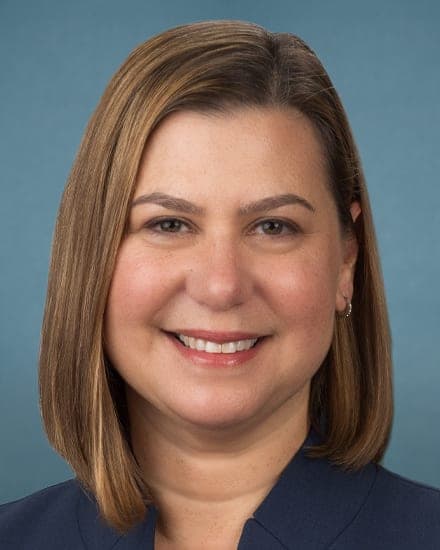
People in this story
SWIPE →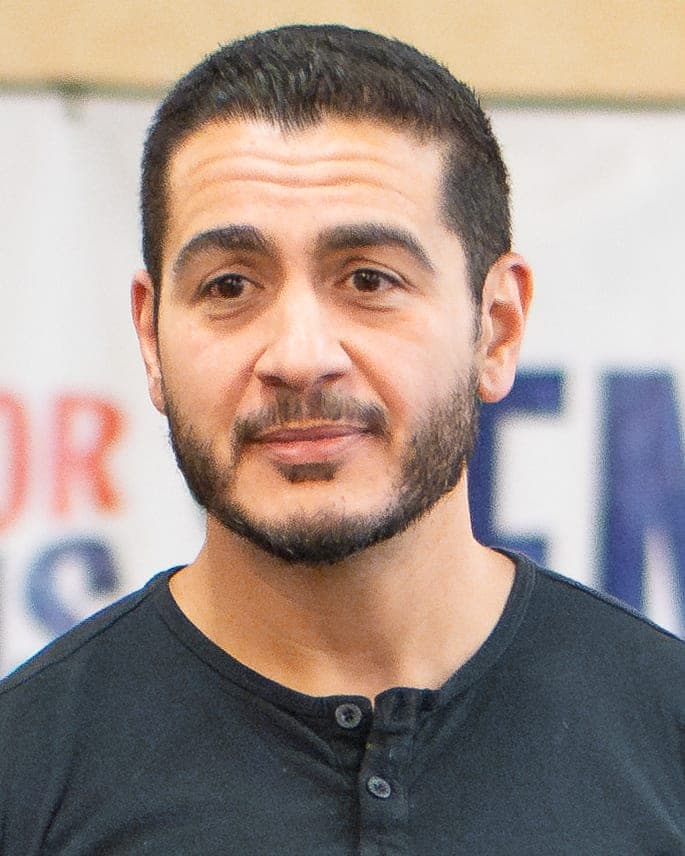
Michigan Senate candidate campaigning alongside Elissa Slotkin
El-Sayed's version of this story ↗
President discussed in connection with the campaign and possible legislation
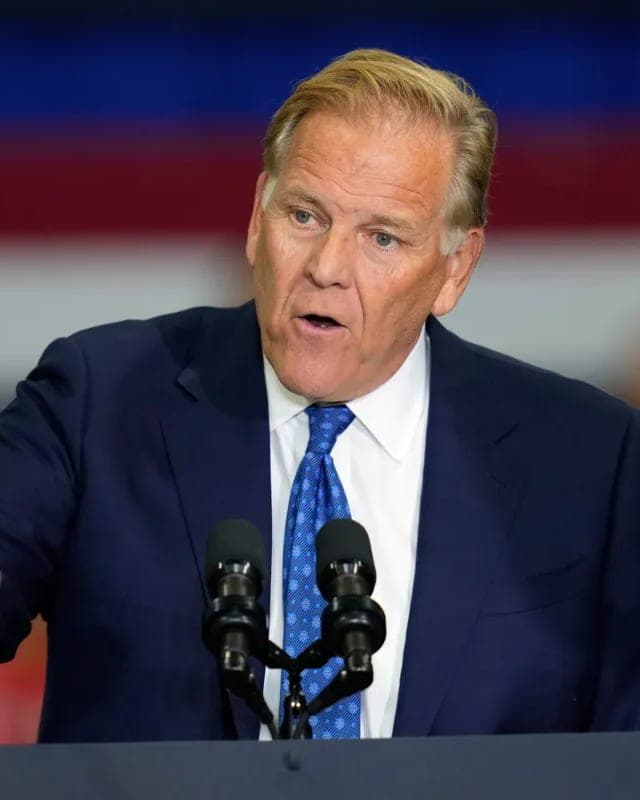
Republican candidate opposing El-Sayed in Michigan’s Senate race
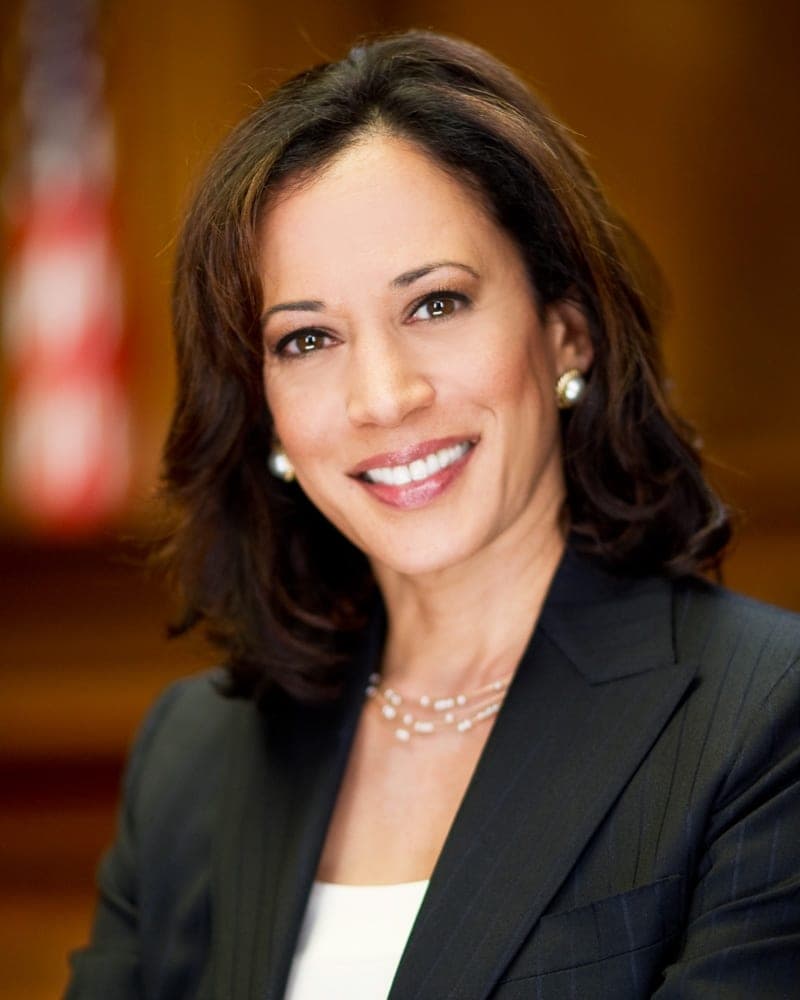
Democratic presidential candidate mentioned in a comparison of Macomb County results
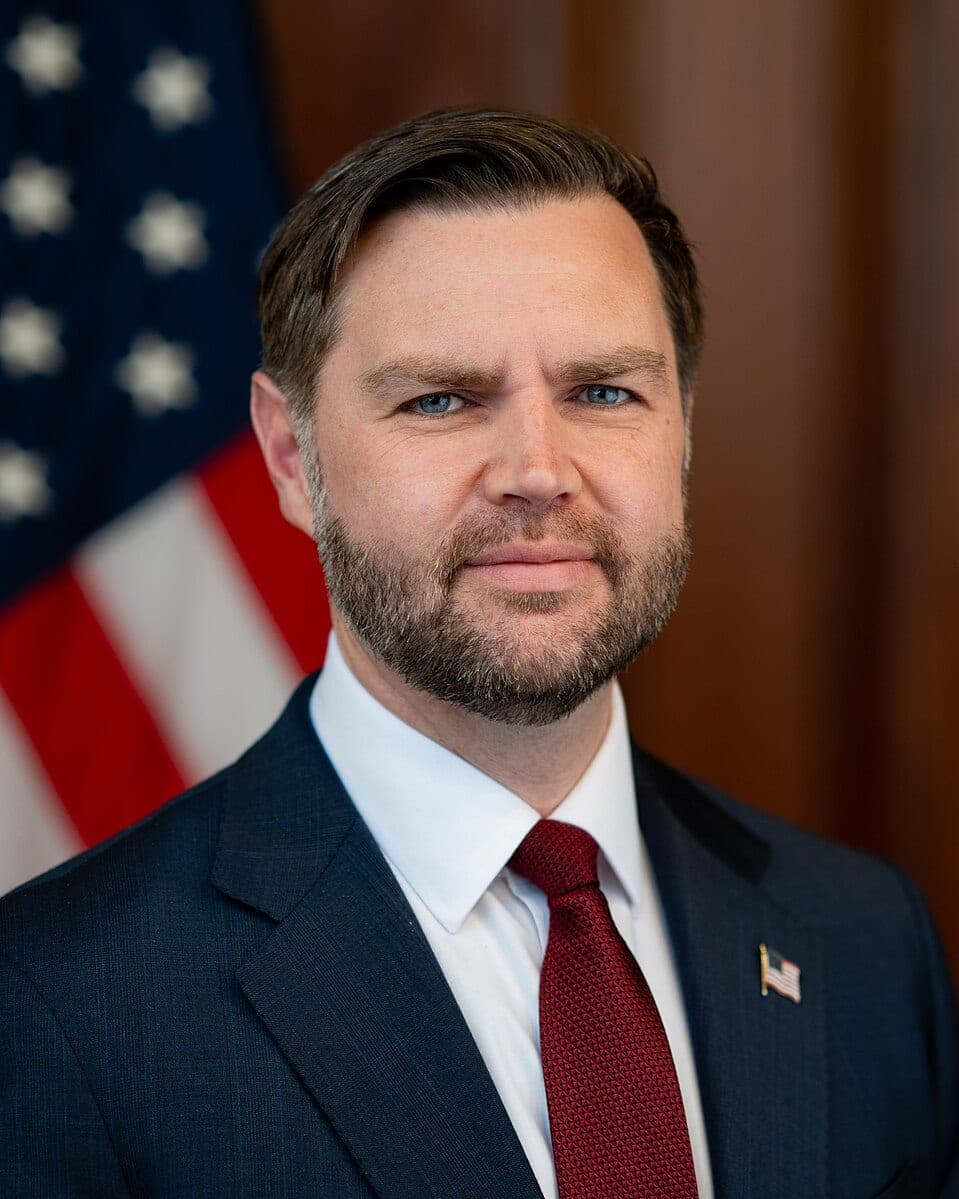
Vice president whom El-Sayed said urged Republicans to run against him
Discussion · 0
Loading comments…