Missouri Sen. Schmitt hears testimony on dangers of too much screen time for children
Schmitt questioned witnesses about targeted advertising and whether platforms know their designs can harm children.

SOURCE CHECK
TAP FOR WHYMissourinet is a local news outlet with an attributed reporter and a report grounded in testimony from named experts. The article identifies that YouTube and TikTok had not responded, though it does not include their perspectives.
- Source type — Local news outlet; assessed as an established regional source.
- Author attribution — A reporter is named.
- Transparency — The article identifies the hearing and names the witnesses and their affiliations.
- Editorial standards — No specific corrections or editorial-policy information appears in the article.
The report cites testimony from three named experts and attributes the claims it presents. It notes that YouTube and TikTok had not responded, but offers no platform perspective or independent examination of the claims.
HOW WE SCORE ↗The article presents several witnesses’ concerns and notes that the platforms had not responded, but includes no platform response or other substantive counterview.
- Source diversity — Includes testimony from three experts with different professional backgrounds.
- Counterarguments presented — The article says YouTube and TikTok had not responded; no counterarguments are included.
- Opinion vs reporting — The article reports testimony rather than offering an explicit opinion.
- Loaded language — The strongest characterizations are presented as witness testimony.
The article reports critical testimony about online platforms in neutral language and attributes the claims to witnesses. It does not express an editorial position.
- Language tone — Uses straightforward reporting language and attributes evaluative claims to witnesses.
- Source selection — Features expert testimony critical of platforms and notes that the platforms had not responded.
- Framing — Focuses on testimony at a committee hearing without advancing an explicit political argument.
At a Senate Commerce Committee hearing, Sen. Eric Schmitt questioned experts about children’s exposure to targeted advertising and potentially addictive platform features. The witnesses described risks tied to YouTube, TikTok and other online content; the platforms had not responded to the testimony.
At a Thursday hearing of the Senate Commerce Committee, educational-company CEO Jeremy Horvath said online advertising aimed at children is more individually tailored than the television advertising of earlier generations. University of Michigan pediatrician Jenny Radesky described YouTube as a major source of children’s video content and discussed the market for young children’s content and advertising.
San Diego State University psychology professor Jean Twenge testified that TikTok, YouTube and other platforms design addictive features aimed at children. She said TikTok’s internal research indicates these features are particularly effective with children and young teens. Schmitt asked whether platforms know their practices can harm children, and Twenge said internal and external research supports that conclusion. Neither YouTube nor TikTok had responded to the testimony.
Community verdict
VOTING CLOSED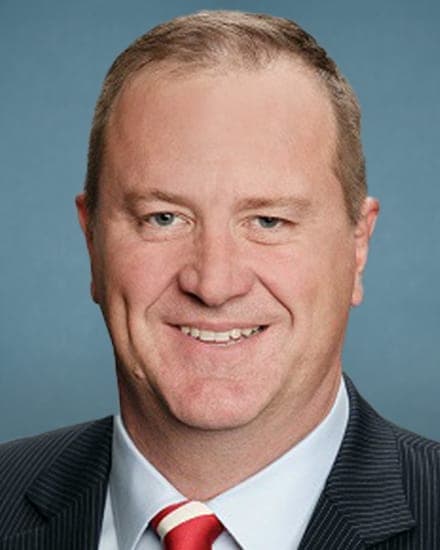
No good or bad look here
This story reports what happened without casting Schmitt in a good or bad light, so readers don’t rate it and it doesn’t count toward Schmitt’s record.
People in this story
Discussion · 0
Loading comments…