Censorship of Colbert interview sparks free speech debate ahead of Texas primary
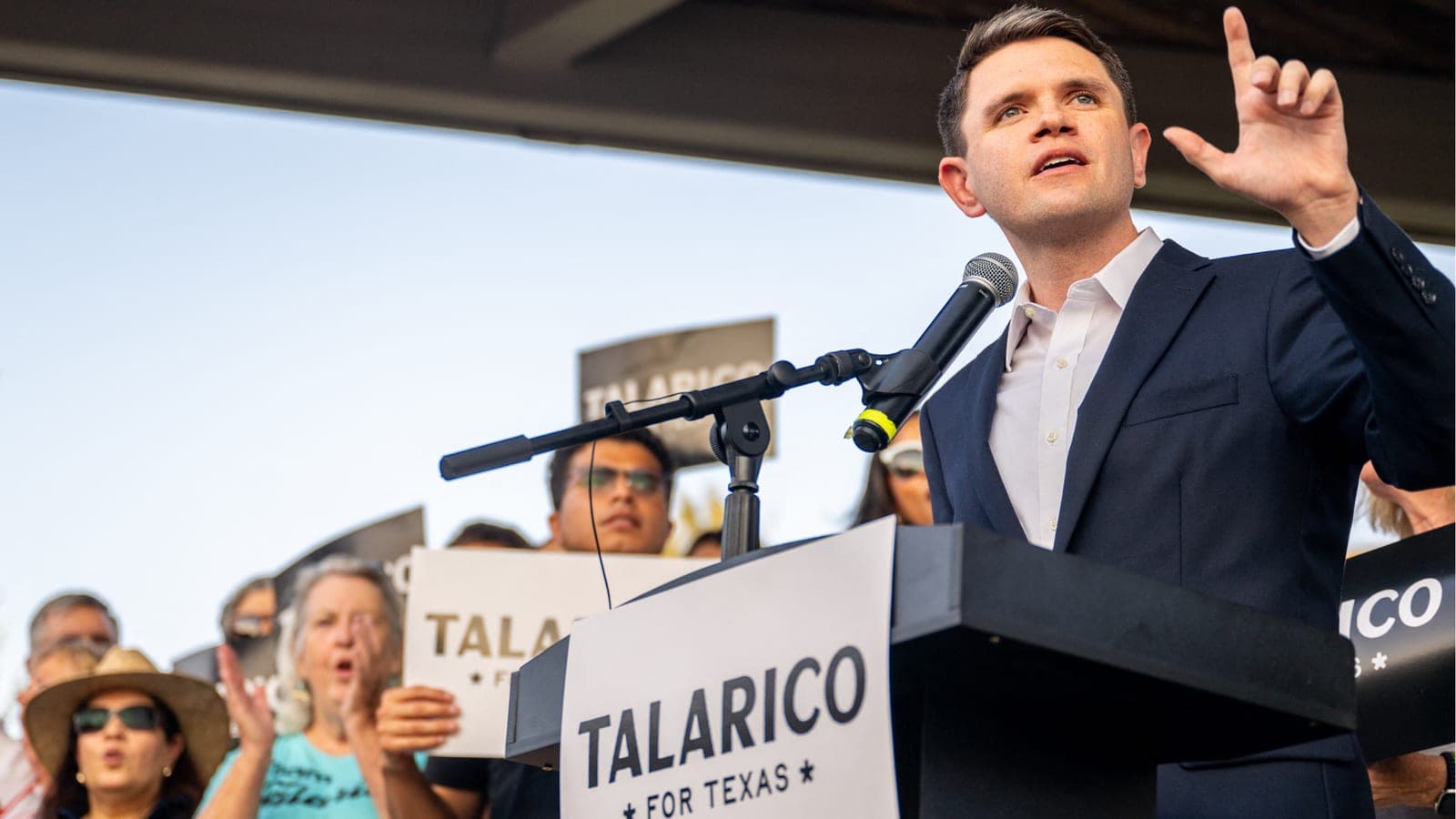
Talarico said CBS’s decision not to air his Colbert interview reflected a dangerous form of cancel culture.
SOURCE CHECK
TAP FOR WHYMiddle East Eye is an established international news publisher with identifiable authorship, though this story relies heavily on social media reactions and does not include responses from CBS or the FCC. Its institutional credibility is moderate rather than comparable to major wire services or newspapers of record.
- Source type — An established international news publisher; this supports a moderate-to-good baseline.
- Editorial standards — The piece attributes many claims to speakers or social media users, but relies extensively on posts rather than independent reporting.
- Author attribution — The article names its author.
- Source diversity — No response from CBS or the FCC is included, limiting the range of sources.
The article identifies the interview and quotes Colbert and Talarico, but much of its account consists of social media reactions and unverified claims about the reasons for CBS’s decision. It includes no response from CBS or the FCC and offers limited independent context.
HOW WE SCORE ↗The article reports Colbert’s and Talarico’s accounts and several social media reactions, including claims that the exposure could help Talarico. It does not include a substantive explanation from CBS or the FCC or a response to the accusations.
- Source diversity — Most quoted sources are Colbert, Talarico or social media users criticizing the decision.
- Counterarguments presented — Some users suggest the attention may benefit Talarico, but no defense of CBS’s decision is presented.
- Omitted context — The article provides little detail on the FCC-related concern or the network’s reasoning.
- Opinion vs reporting — The article is presented as news, but its source selection and framing favor one interpretation.
The article frames the broadcast decision as censorship and foregrounds criticism of CBS, the FCC and Trump, while giving little space to explanations or opposing perspectives. Its selection of social media reactions and favorable campaign claims also tilts toward Talarico.
- Framing — The headline and opening frame the decision as censorship and a free-speech dispute.
- Source selection — The article features critical posts about CBS, the FCC and Trump, along with supportive claims about Talarico.
- Omission — CBS and the FCC are not given a response or explanation beyond the reported FCC-related concern.
- Language tone — The article repeats forceful accusations of censorship and hypocrisy without comparable counter-framing.
CBS blocked the broadcast of Stephen Colbert’s interview with Texas Senate candidate James Talarico, citing concerns related to the FCC, though the interview later appeared on YouTube. Talarico and many social media users framed the decision as a threat to free speech, while others said the attention could help his campaign.
Colbert said CBS lawyers told his show not to air the interview because of FCC-related concerns and said he was also told not to discuss the decision. The interview was later posted on YouTube. Talarico called the episode “the most dangerous kind of cancel culture,” while Colbert criticized the FCC and President Donald Trump. The article reports that social media users accused CBS, the FCC and Trump of suppressing free speech, but provides no response from CBS or the FCC.–
Some users speculated that the attention could benefit Talarico’s Texas Senate campaign, and the article says the Democratic primary also includes Congresswoman Jasmine Crockett. It contrasts Crockett’s support for Israel with Talarico’s opposition to sending foreign aid to Israel and includes his remarks about Gaza.–
Community verdict
3 VOTES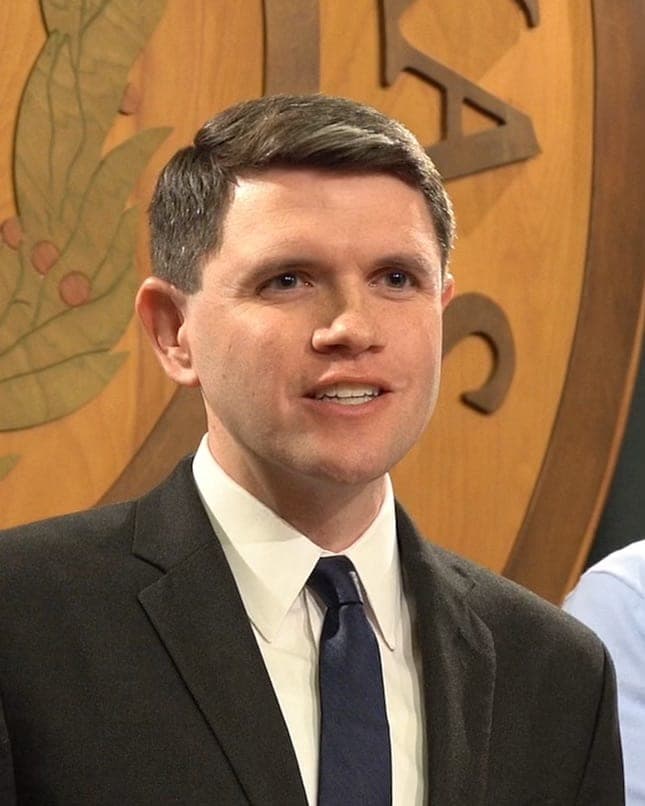
Counts every outlet’s report of this story. See all 66
- Readers of left-leaning coverage: not enough votes yet
- Readers of right-leaning coverage: 0% good look
Votes cast on this page
Votes cast on this page: ▲ 0 · ◆ 0 · ▼ 0
People in this story
SWIPE →Democratic candidate for U.S. Senate in Texas and Texas state representative
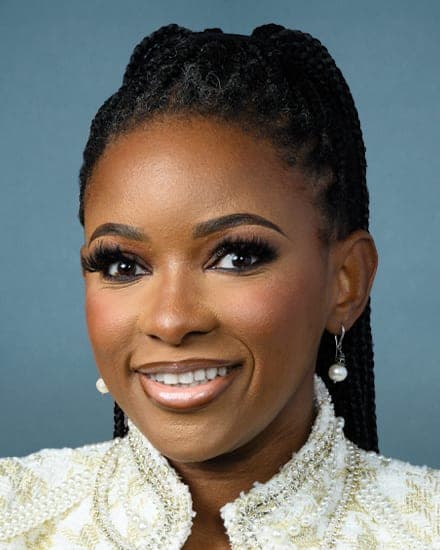
U.S. representative from Texas and Democratic Senate primary opponent

President of the United States
Part of a bigger story
32 OUTLETSStephen Colbert’s interview with Texas Senate candidate James Talarico did not air on CBS television and was later posted online. Coverage centers on CBS’s equal-time guidance and disagreement over whether it barred the broadcast or led the show to choose not to air it. Left-leaning outlets frame the decision as political pressure on speech and note the interview’s online reach and possible campaign benefit. Center outlets focus on competing accounts of CBS’s equal-time guidance, while some track the interview’s reach and fundraising. Right-leaning outlets emphasize CBS’s account of legal guidance and challenge claims that the FCC or Trump stopped the interview.
- ARTICLES
- 66
- OUTLETS
- 32
- AVG CRED
- 64
Discussion · 0
Loading comments…