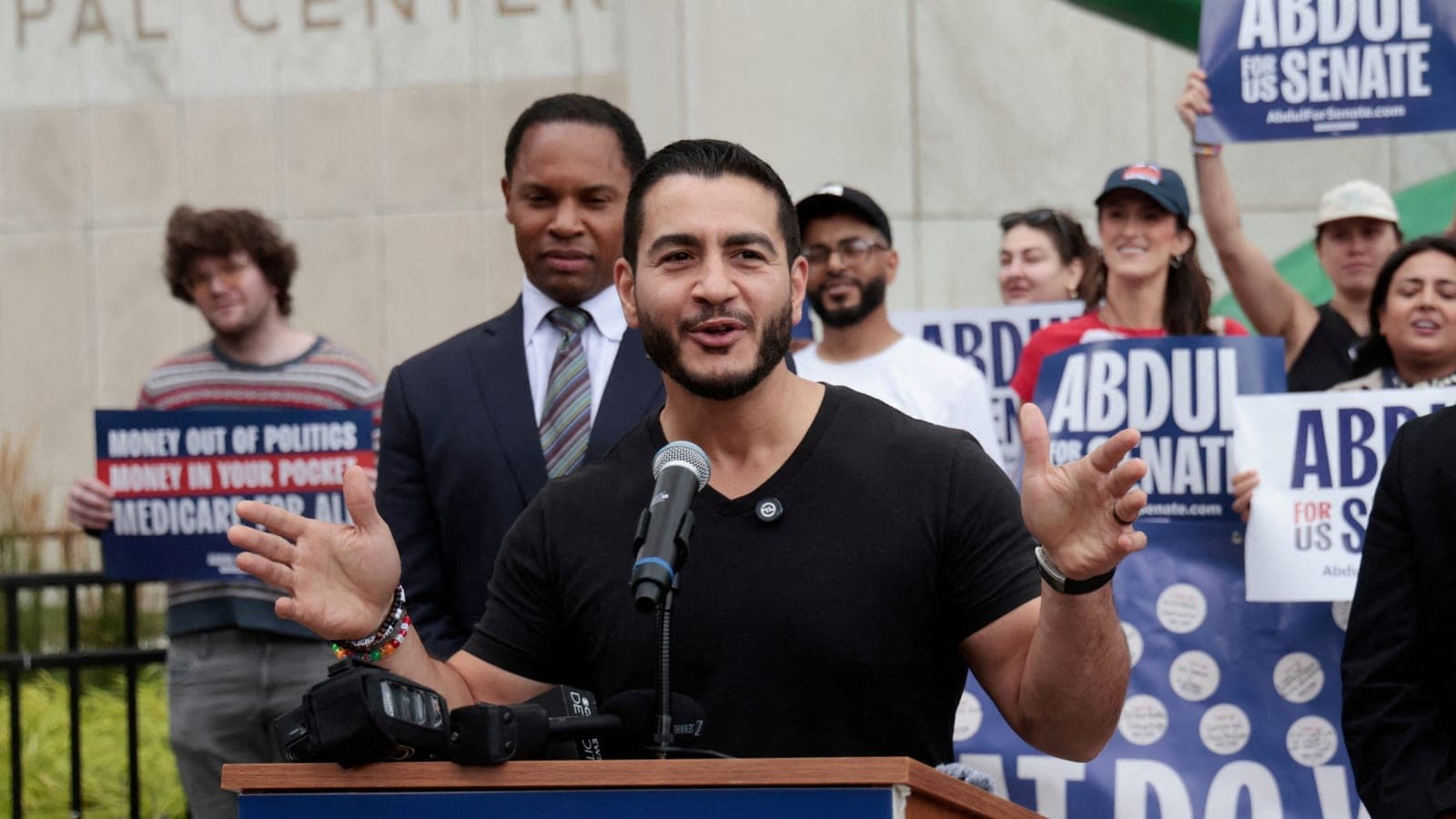
After Michigan upset, Aipac looks to back Republican candidate against Abdul El-Sayed
El-Sayed’s primary win sets up a November Senate race against Republican Mike Rogers.
SOURCE CHECK
TAP FOR WHYMiddle East Eye is an established international news outlet with named reporting and attribution to interviewees and other sources. The article provides an author byline, though the material here does not establish its corrections practices or record independently.
- Author attribution — The article names a reporter and attributes quotes to identifiable sources.
- Source type — An established international news publisher is a credible baseline, though not a wire service or newspaper of record.
- Transparency — The story identifies several interviewees and cites campaign statements and OpenSecrets data.
- Correction history — No corrections information is evident in the article.
The report includes named expert and political sources, attributed campaign claims, and data on spending and turnout. Its account gives limited space to Stevens, Rogers, or AIPAC beyond AIPAC’s statement, leaving opposing perspectives and some claims with little independent examination.
HOW WE SCORE ↗The article includes AIPAC’s position, comments from a political party chair and an expert, and Trump’s criticism of El-Sayed. However, its sources and detail largely favor explanations sympathetic to El-Sayed, with limited direct representation from Stevens or Rogers.
- Source diversity — Sources include a lobbyist, an academic, a state party chair, a legislator, campaigns, and AIPAC, but viewpoints are unevenly represented.
- Counterarguments presented — AIPAC’s statement and Trump’s criticism appear, but neither is developed through an extended response.
- Loaded language — The characterization of AIPAC as a “one-issue behemoth” adds a critical framing.
- Omitted context — The candidates receiving or opposing the spending are not given comparable direct space.
The article’s framing gives substantial attention to criticism of AIPAC spending and to El-Sayed’s campaign and supporters. It includes AIPAC’s statement and criticism from Trump, but the overall selection and framing lean left.
- Framing — The story frames AIPAC as a powerful, money-driven political actor and emphasizes its spending.
- Source selection — Several sources explain or praise El-Sayed’s campaign, while Stevens and Rogers offer no direct comments.
- Language tone — Some descriptions, including “one-issue behemoth,” convey a critical view of AIPAC.
- Omission — The article offers little direct response from the candidates who lost or are targeted by the reported strategy.
After Abdul El-Sayed won Michigan’s Democratic Senate primary, AIPAC said it would support pro-Israel candidates and indicated it would back the Republican in November. The article describes the race’s high spending and the political stakes of the general election.
AIPAC said its members want voters to reject El-Sayed and that it supports pro-Israel Democrats and Republicans. The article reports that, after Haley Stevens lost the Democratic primary to El-Sayed, AIPAC indicated it would pivot to the Republican candidate for the November race, former congressman Mike Rogers. El-Sayed won by one percentage point, and the article describes the contest as exceptionally expensive, with outside groups spending heavily on Stevens’s behalf.
The article attributes claims about campaign spending and the role of money in elections to El-Sayed’s campaign, OpenSecrets data, and Public Citizen lobbyist Craig Holman. It also reports that El-Sayed’s criticism of Israel’s actions in Gaza resonated with some Michigan voters, and quotes political figures and an academic discussing his campaign and the coming race. Donald Trump criticized El-Sayed in a social-media post, while El-Sayed said attacks focused on his name and identity.
Community verdict
12 VOTES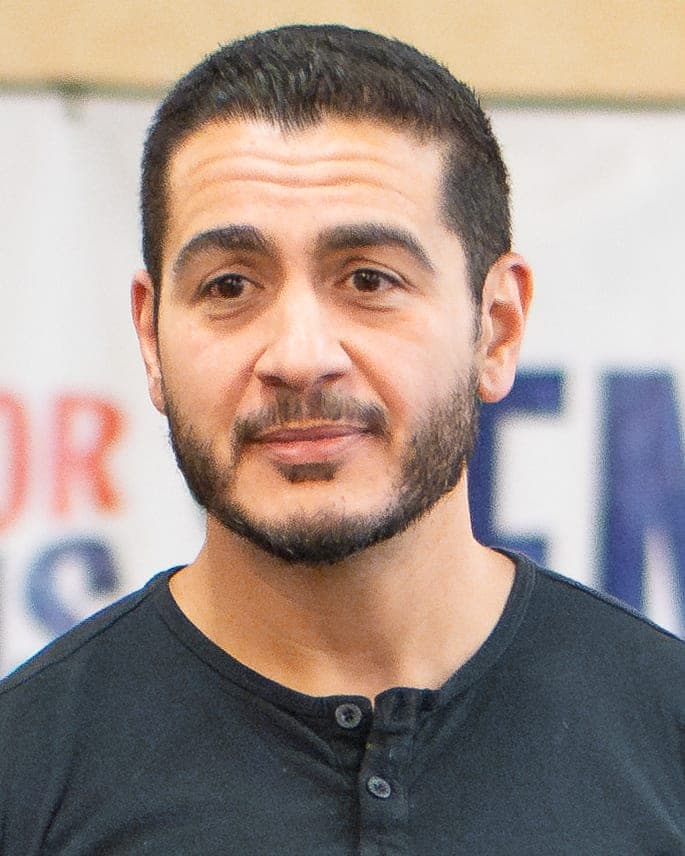
People in this story
SWIPE →
Michigan representative and defeated Democratic Senate primary candidate

President who criticized El-Sayed in a social-media post
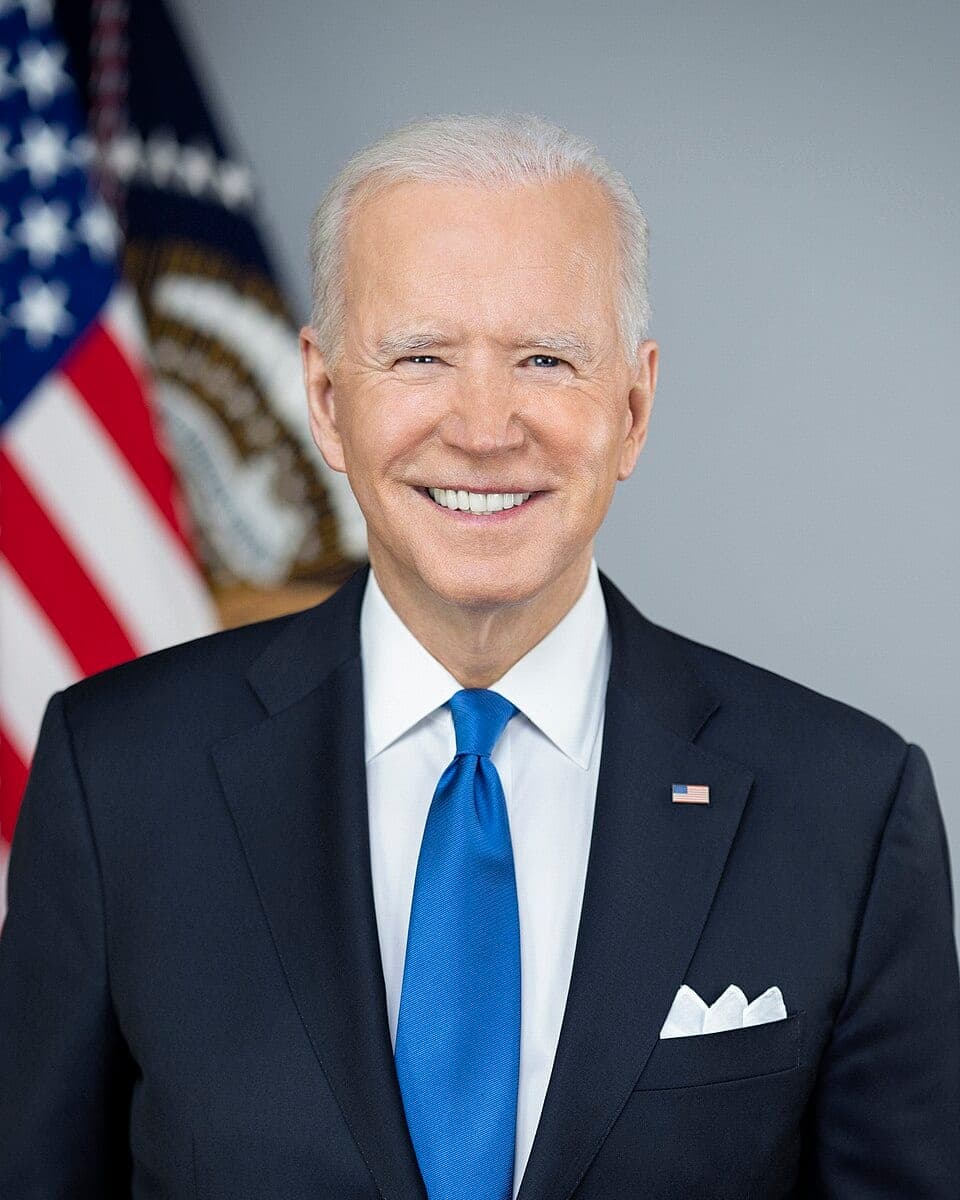
Former president, mentioned in connection with Michigan voters’ opposition to his support for Israel
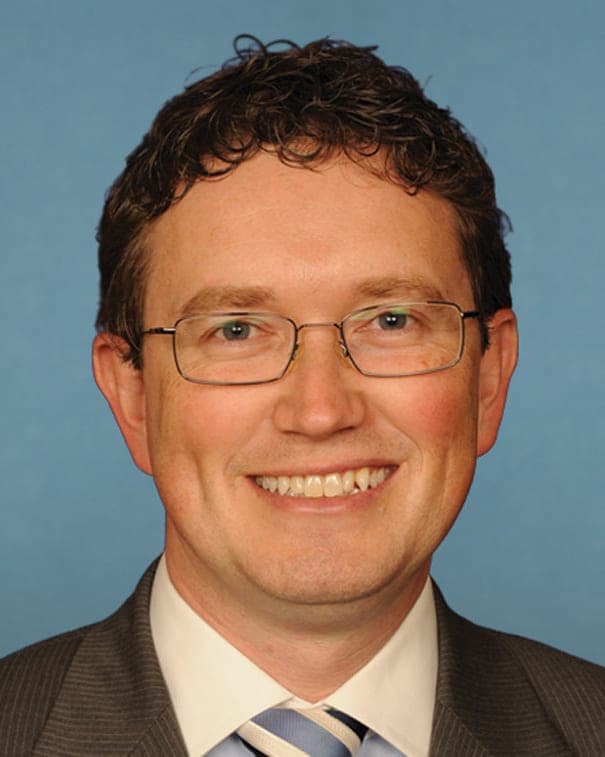
Republican representative from Kentucky, whose primary race is cited as an example of AIPAC spending
Republican Senate candidate in Michigan
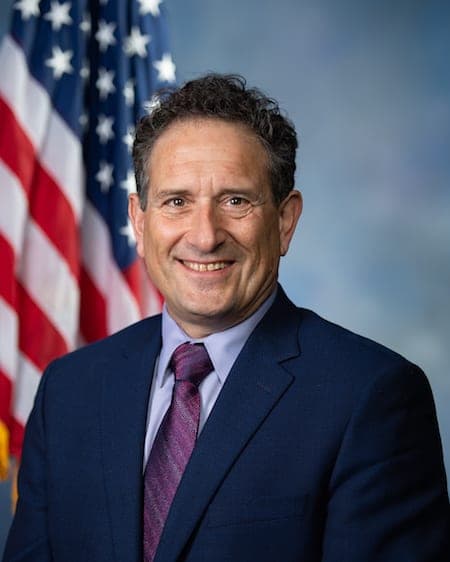
Former Michigan representative
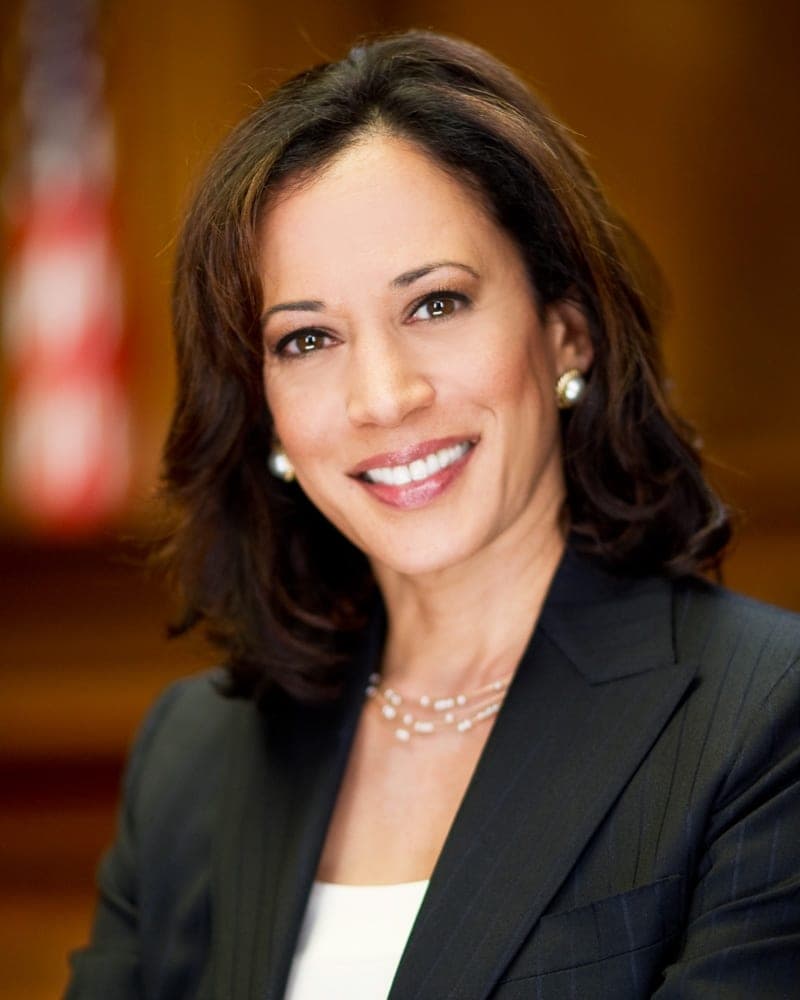
Democratic presidential candidate in 2024
Michigan Democratic Party chair
Part of a bigger story
41 OUTLETSOutlets agree that Abdul El-Sayed won Michigan’s Democratic Senate primary over Haley Stevens and will face Republican Mike Rogers in November. Left-leaning outlets frame the result as a progressive win and a test of the Democratic Party’s direction, while later coverage highlights El-Sayed’s response to Trump. Center outlets focus on the nomination, party unity and the November matchup, including questions about El-Sayed’s appeal. Right-leaning outlets emphasize criticism of his positions and portray the nomination as an opening for Republicans.
- ARTICLES
- 45
- OUTLETS
- 41
- AVG CRED
- 65
Discussion · 0
Loading comments…