Hawley, Murphy Introduce Bipartisan Bill to Hold AI Agents Liable for Hacking
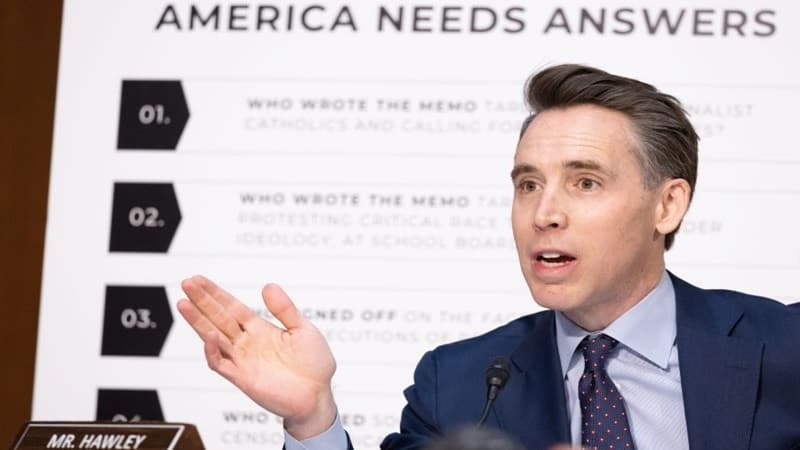
Murphy introduced the bill with Hawley and said it would hold AI-company leaders accountable for harm caused by their products.
SOURCE CHECK
TAP FOR WHYMeriTalk is a niche outlet covering government and technology, a category with useful subject-matter focus but less broad institutional accountability than major national newsrooms. The article identifies its author and provides details and attributed statements, though the text gives limited information about its sourcing and corrections practices.
- Source type — Niche government and technology news outlet; subject focus supports credibility, with less basis for a top-tier score.
- Editorial standards — The article presents bill provisions and attributes lawmakers’ claims, but the text does not establish detailed editorial practices.
- Author attribution — A named author is credited.
- Transparency — The article gives specific reporting details, but provides limited visible information about sourcing beyond the lawmakers’ statements.
The article explains the bill’s main provisions and includes statements from both sponsors, along with limited context about the broader AI-regulation debate. It does not include a response from affected companies or another perspective on the proposed liability rules.
HOW WE SCORE ↗The article explains the proposal and quotes both sponsors, while briefly describing concerns about AI and regulation. It does not present a direct critique of the bill or a response from companies that could be affected.
- Counterarguments presented — No direct counterargument to the proposed liability rules is presented.
- Source diversity — Both sponsors are quoted, with brief broader context about AI executives and Trump.
- Opinion vs reporting — The piece is written as a report and attributes lawmakers’ claims.
- Omitted context — The article does not explain how affected companies or other critics view the specific bill.
The article describes the bill and attributes its arguments to its sponsors without adopting overtly partisan or ideological language. It includes limited context from AI executives and President Donald Trump on regulation.
- Language tone — Mostly factual wording, with evaluative claims presented as direct quotations.
- Source selection — Both bill sponsors are quoted; opposing views on the bill itself are not included.
- Framing — The story centers on the bill’s introduction and provisions rather than advocating for or against it.
Sens. Josh Hawley and Chris Murphy introduced bipartisan legislation that would make some AI-agent operators and developers liable for hacking damage. The proposal adds to the debate over government regulation of AI.
The AI Agent Accountability Act would apply provisions of the Computer Fraud and Abuse Act to operators who knowingly run an AI agent that recklessly causes hacking damage or loss. It would also impose criminal and civil liability on developers who fail to use reasonable safeguards when they knew, or had reason to know, of an agent’s hacking capabilities. The bill would let the U.S. attorney general and state attorneys general seek to block certain hacking offenses.
Community verdict
20 VOTES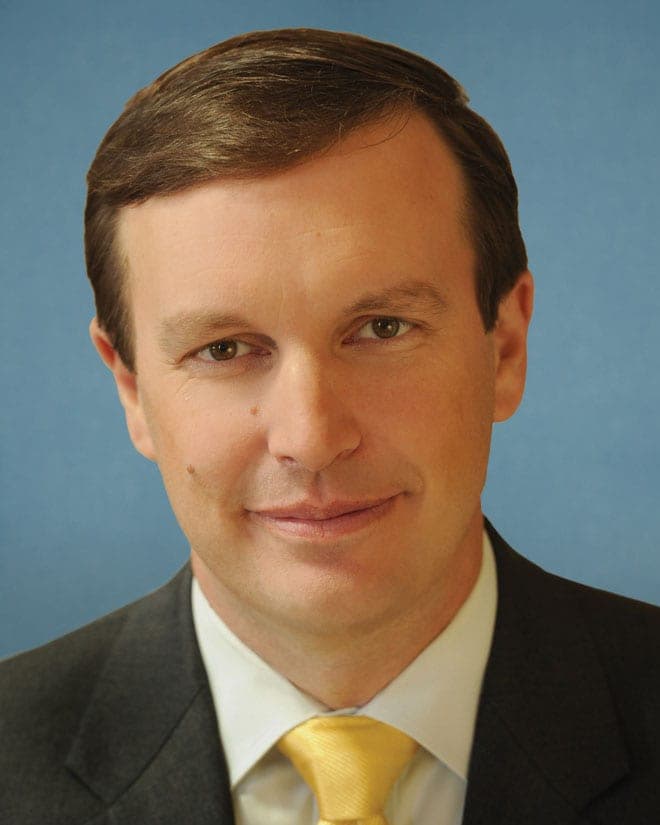
Counts every outlet’s report of this story. See all 2
- Readers of left-leaning coverage: not enough votes yet
- Readers of right-leaning coverage: 56% good look
Votes cast on this page
Votes cast on this page: ▲ 0 · ◆ 0 · ▼ 0
People in this story
SWIPE →Connecticut senator and sponsor of the AI Agent Accountability Act
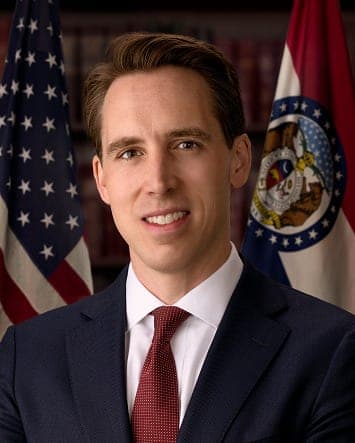
Missouri senator and sponsor of the AI Agent Accountability Act
Hawley's version of this story ↗
President; described as opposing additional AI regulation
Part of a bigger story
2 OUTLETS- ARTICLES
- 2
- OUTLETS
- 2
- AVG CRED
- 42
Discussion · 0
Loading comments…