Ohio voters rejected Sherrod Brown. Two years later, are they ready to give him a second chance?
Husted is defending his Senate seat as Brown targets economic concerns and Husted’s past support for data-center development.
SOURCE CHECK
TAP FOR WHYCredibility rates Los Angeles Times, where this article appeared. The other scores rate the article itself.
The Los Angeles Times page identifies the report as Associated Press work, and the AP is an established wire service with strong reporting and editorial standards. The article includes an AP byline and a named contributing reporter.
- Source type — Reporting is attributed to the Associated Press, a major wire service.
- Editorial standards — The underlying wire-service reporting has established editorial standards and a record of original reporting.
- Author attribution — The article names Joey Cappelletti and credits Julie Carr Smyth as a contributing AP reporter.
The report combines named voter and expert interviews, campaign statements, election results and spending figures attributed to AdImpact and federal statistics. It presents voices and claims from both campaigns, though it offers limited independent evidence on the likely effects of the competing economic and data-center arguments.
HOW WE SCORE ↗The article includes comments from both campaigns, voters with differing political preferences, a political scientist and relevant election and spending figures. It could provide more independent evaluation of the campaigns’ claims about data centers and economic responsibility.
- Source diversity — Draws on voters, an academic, campaign representatives and reported statistics.
- Counterarguments presented — Includes competing campaign claims and perspectives on whether Republicans delivered on promises.
- Omitted context — Does not independently assess the claims about data-center costs or the campaigns’ economic proposals.
The report uses largely neutral language and includes perspectives from both campaigns, voters and a political scientist. Its framing centers on economic dissatisfaction and electoral change without clearly favoring either party.
- Language tone — Mostly descriptive language; criticism and campaign claims are attributed to their speakers.
- Source selection — Includes voters with differing political views, an academic, and spokespeople for both campaigns.
- Framing — Presents the race through economic conditions and shifting voter behavior rather than partisan advocacy.
Original publisher not identified
This article credits another publisher, which ChamberLight has not identified, so the scores are Los Angeles Times's own.
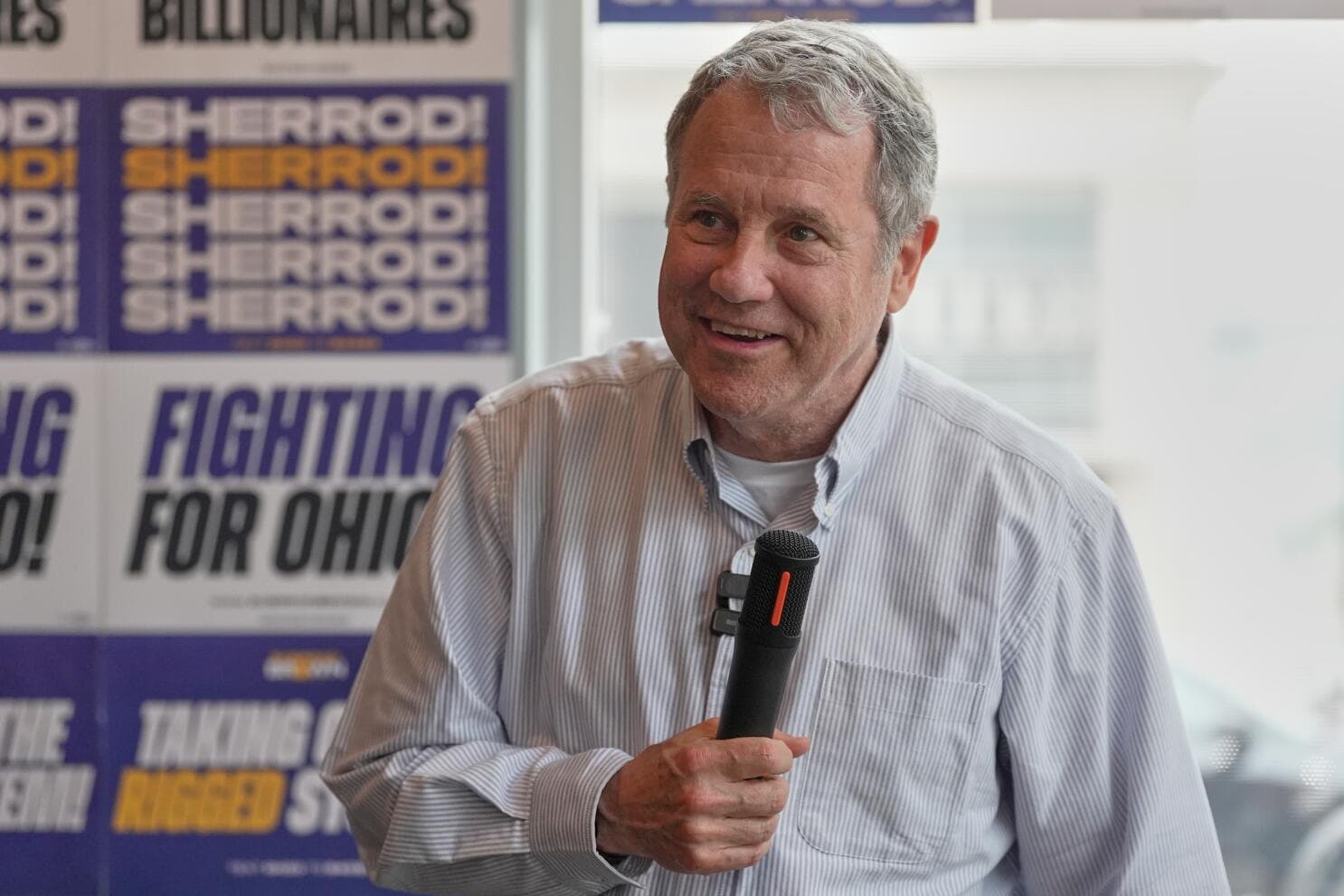
Sherrod Brown is seeking a Senate comeback against Ohio Sen. Jon Husted, hoping economic concerns and opposition to data centers will help him win back voters who shifted toward Republicans. The race is also part of Democrats’ effort to gain Senate seats in Republican-leaning states.
Sherrod Brown is trying to win back Ohio voters who supported Republican Bernie Moreno in 2024 as he challenges Sen. Jon Husted. The article describes economic dissatisfaction, high gas prices and opposition to data centers as issues shaping the race, and notes that Democrats need to compete in Republican-leaning states to gain control of the Senate.
Brown’s allies blame data centers for contributing to higher electricity costs, while Husted’s spokesperson says he is working to lower costs and that Husted introduced legislation requiring data center companies to pay for the power they use. The article also reports that Husted and allied Republican groups have spent or reserved more campaign money than Brown and Democratic groups.
Community verdict
13 VOTES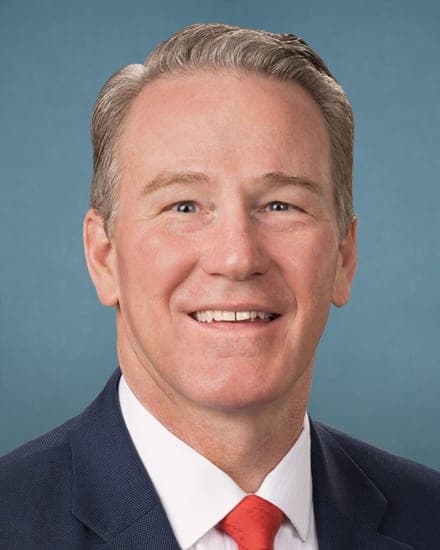
People in this story
SWIPE →Republican senator and Brown’s opponent in the Ohio Senate race

Democratic Senate candidate seeking to regain the Ohio seat he lost in 2024
Brown's version of this story ↗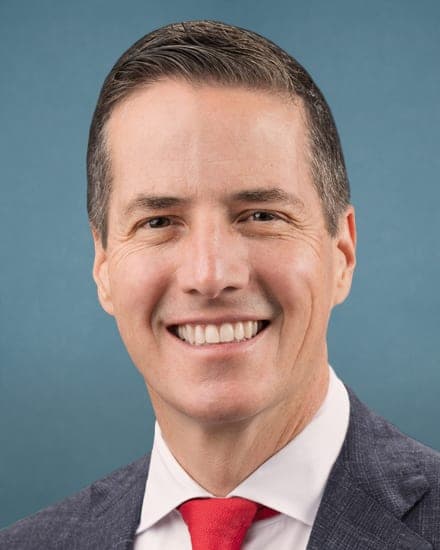
Republican who defeated Brown in the 2024 Senate election

President whose support and past Ohio campaigning are discussed as factors in the state’s political shift
Discussion · 0
Loading comments…