Missouri candidates file for Congress amid uncertainty over new district map
Alford praised the new map but acknowledged that the changed boundaries could make reelection harder.
SOURCE CHECK
TAP FOR WHYKSHB is an established local television newsroom with an identified reporter and editorial verification practices stated in the article. The piece includes on-the-record interviews and local political reporting, though the publisher is a regional outlet rather than a national newspaper or wire service.
- Source type — Established local-news television outlet reporting on Missouri politics.
- Author attribution — A named reporter is credited and described as covering politics in the region.
- Editorial standards — The article says its editorial team verifies reporting across platforms.
- Transparency — Candidates and other sources are identified and quoted directly.
The report gives direct comments from candidates and redistricting-related sources, and explains the map’s potential effects. It provides little detail about the lawsuits, the legal arguments, or the views of lawmakers who approved the map, leaving important context limited.
HOW WE SCORE ↗The report includes perspectives from candidates affected by the map and an expert on representation, but gives little space to the map’s supporters or to the substance of the lawsuits challenging it.
- Source diversity — Candidates from both parties and a redistricting organization’s executive director are quoted.
- Counterarguments presented — The map’s critics and affected candidates are heard, but supporters’ reasoning is not developed.
- Omitted context — The legal claims and lawmakers’ rationale for the map are not explained in detail.
- Loaded language — The article’s narration is restrained and attributes evaluative phrases to speakers.
The article uses straightforward reporting language and quotes candidates from both parties without endorsing their claims. Its framing centers on filing and the uncertainty surrounding district boundaries.
- Language tone — Mostly neutral descriptions and attributed quotations.
- Source selection — Includes Republican and Democratic candidates, alongside other sources.
- Framing — Focuses on filings and map uncertainty rather than arguing for a political outcome.
Missouri candidates began filing for Congress under a new district map that judges could still change. The boundaries reshape districts held by Emanuel Cleaver and Mark Alford and are prompting candidates to adjust their campaigns.
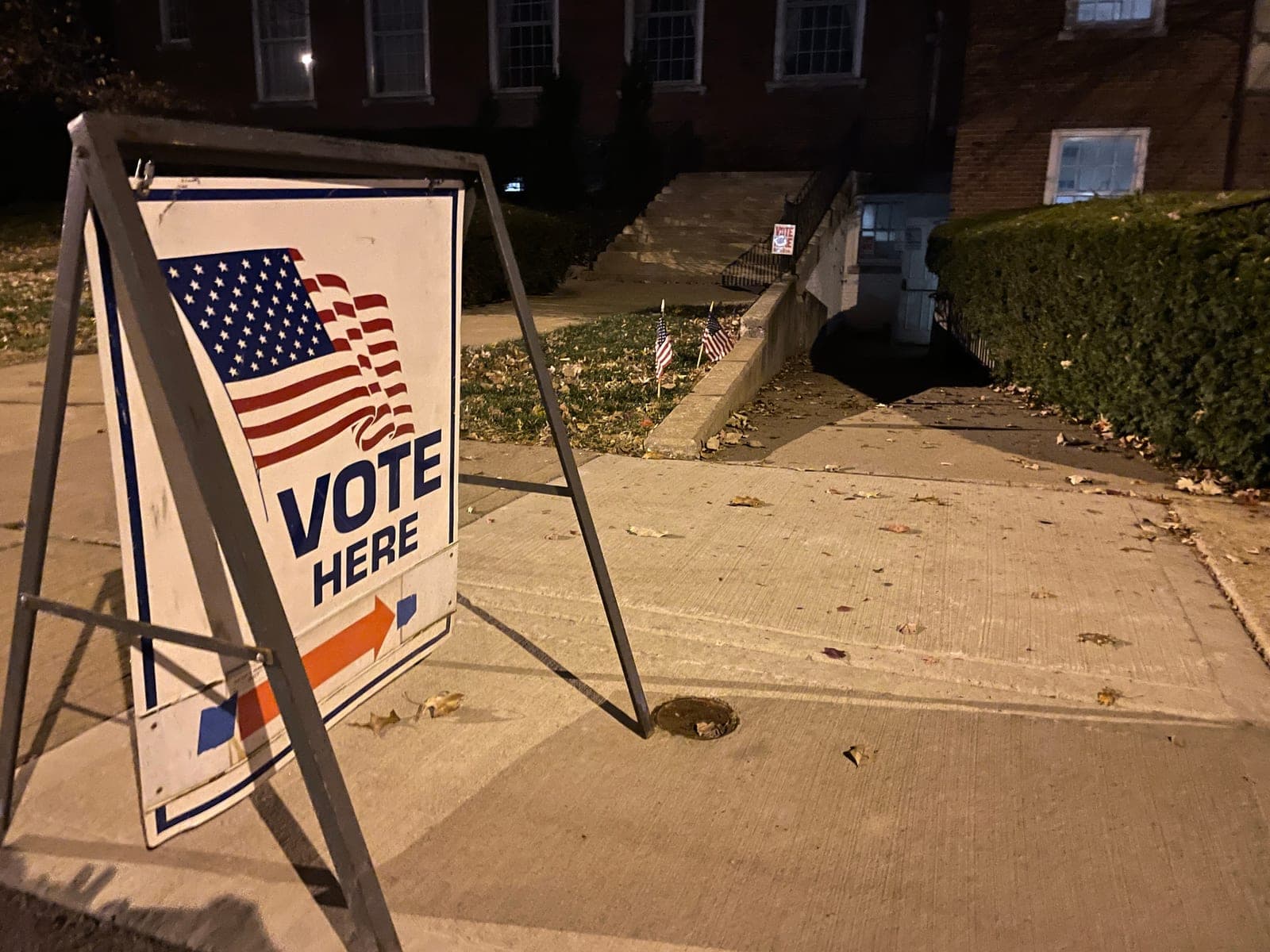
Candidates began filing for Congress under a map approved by Missouri lawmakers in 2025, even as lawsuits seek to block it and judges could still change the districts. The map splits Kansas City into three districts and extends Emanuel Cleaver’s district to Jefferson City. Cleaver said his race would remain in the 5th District regardless of court decisions and emphasized connecting with voters.
Mark Alford said the map would be a “game changer” but acknowledged it could make his races tougher. Republican Sean Smith filed to challenge Cleaver and said he would emphasize his Republican positions. Democrat Hartzell Gray said running against Alford was a dream, while Jordan Herrera said voters need a representative who will push back on President Donald Trump. The deadline to file for the August primary is March 31.
Community verdict
12 VOTES
People in this story
SWIPE →Missouri representative running for a seat under the new congressional map
Republican House candidate challenging Emanuel Cleaver
Democratic House candidate in Missouri’s 4th District

President of the United States, whom Herrera cited as a reason voters need a representative who will push back
Democratic House candidate running against Mark Alford
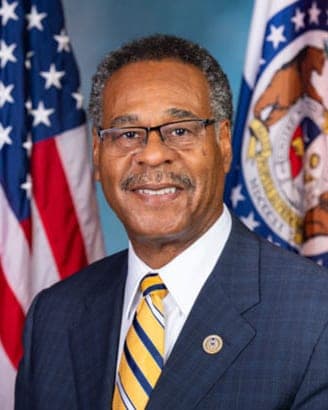
Missouri representative running for reelection in the newly drawn 5th District
Discussion · 0
Loading comments…