Missouri Republican joins Democrats to force Senate check on Trump's war powers in Venezuela | Nation & World News
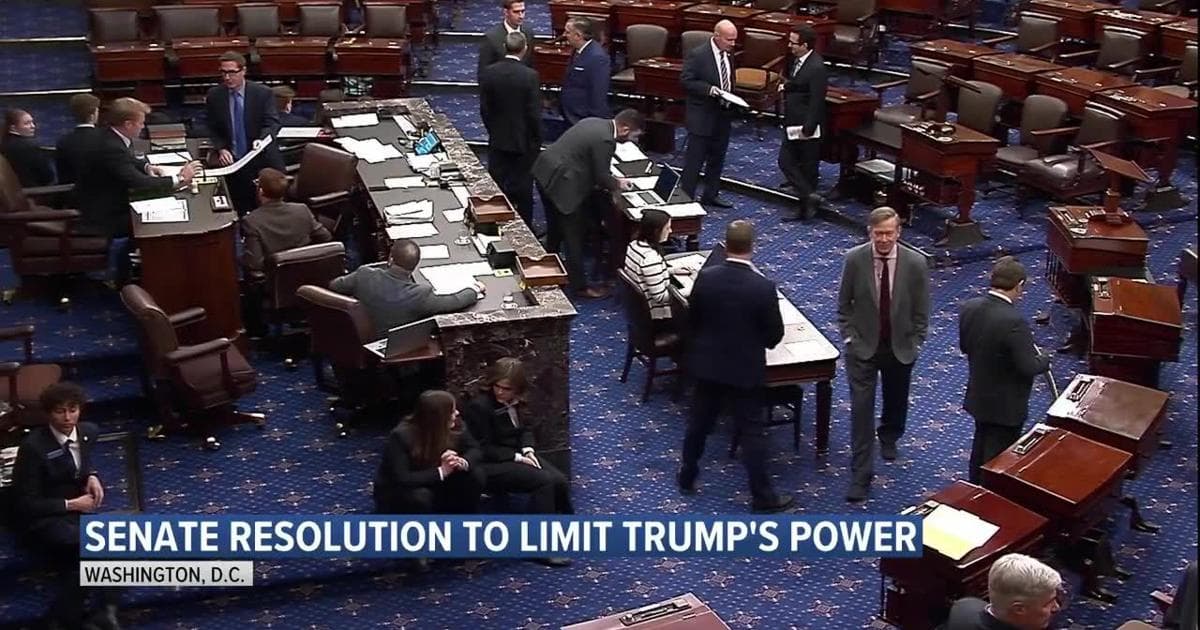
Kaine argued that the Venezuela operation required Congress to take a position on the use of military force.
SOURCE CHECK
TAP FOR WHYCredibility rates Komu, where this article appeared. The other scores rate the article itself.
KOMU 8 is an established local news outlet, and this article carries CNN bylines, indicating reporting from an established national newsroom. The page provides named authors but does not itself establish details about corrections practices.
- Source type — Established local-news publisher; the story is credited to CNN reporters.
- Author attribution — Three reporters are named, with their CNN affiliation indicated.
- Transparency — The page identifies the story as CNN reporting but provides no additional reporting-method detail in the article text.
- Editorial standards — The publisher and credited reporting organization are established newsrooms; specific standards are not detailed here.
The report provides named lawmakers’ explanations and competing views on congressional authority, with clear distinctions between advancing the resolution and its uncertain final passage. It offers limited direct response from the administration and little detail on the resolution’s text.
HOW WE SCORE ↗The story includes arguments for congressional authority and Graham’s opposing view, along with Republican and Democratic perspectives. It gives limited space to the administration’s position and the measure’s precise terms.
- Counterarguments presented — Graham argues against congressional consent requirements, while Paul, Hawley and Kaine support congressional limits.
- Source diversity — Quotes lawmakers from both parties, including senators on opposing sides of the measure.
- Omitted context — The administration’s own explanation and detailed text of the resolution are not supplied.
- Loaded language — Some characterizations are attributed to lawmakers; the reporter’s narration is largely straightforward.
The report uses largely descriptive language and attributes competing claims about the resolution and presidential authority to the lawmakers making them. Its framing focuses on the Senate vote rather than advocating for either position.
- Language tone — Mostly neutral descriptions of the vote and its uncertain next steps.
- Source selection — Includes supporters of the resolution and a Republican critic of congressional limits.
- Framing — Centers on the vote and its implications without adopting either side’s constitutional argument.
- Headline — Highlights the Republican defection and Trump, but accurately reflects the reported vote.
Cites CNN
This article cites CNN as its original publisher. ChamberLight has not verified that it is a republication, so the scores are Komu's own.
120 stories · 84–85 · updated Oct 13, 2026
This is CNN's own score. The Source Check scores are for Komu and this article.
Five Republican senators joined Democrats to advance a resolution limiting future U.S. military action in Venezuela without congressional approval. The vote sets up a full Senate vote, though passage of the final measure is not assured.
Five Republicans voted with all Senate Democrats to advance a resolution that would limit the president’s ability to use military force in Venezuela without congressional approval. Rand Paul co-sponsored the measure, and Josh Hawley said his reading of the Constitution required Congress to vote before U.S. troops were sent there. The full measure was expected to face a Senate vote the following week, but amendments and final support remained uncertain.
The article describes the vote as a response to President Donald Trump’s operation to oust Venezuela’s leader and widening concerns about possible U.S. military action elsewhere. Tim Kaine argued that the operation was not merely a law-enforcement effort, while Lindsey Graham said Trump did not need congressional approval to capture Nicolás Maduro and called the War Powers Act unconstitutional. A similar House vote was expected later in the month.
Community verdict
8 VOTES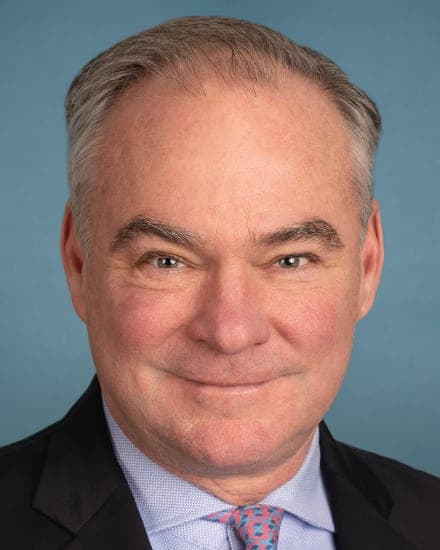
Counts every outlet’s report of this story. See all 10
Votes cast on this page
Votes cast on this page: ▲ 0 · ◆ 0 · ▼ 0
People in this story
SWIPE →Senator who backed the resolution and argued for congressional authority over military action
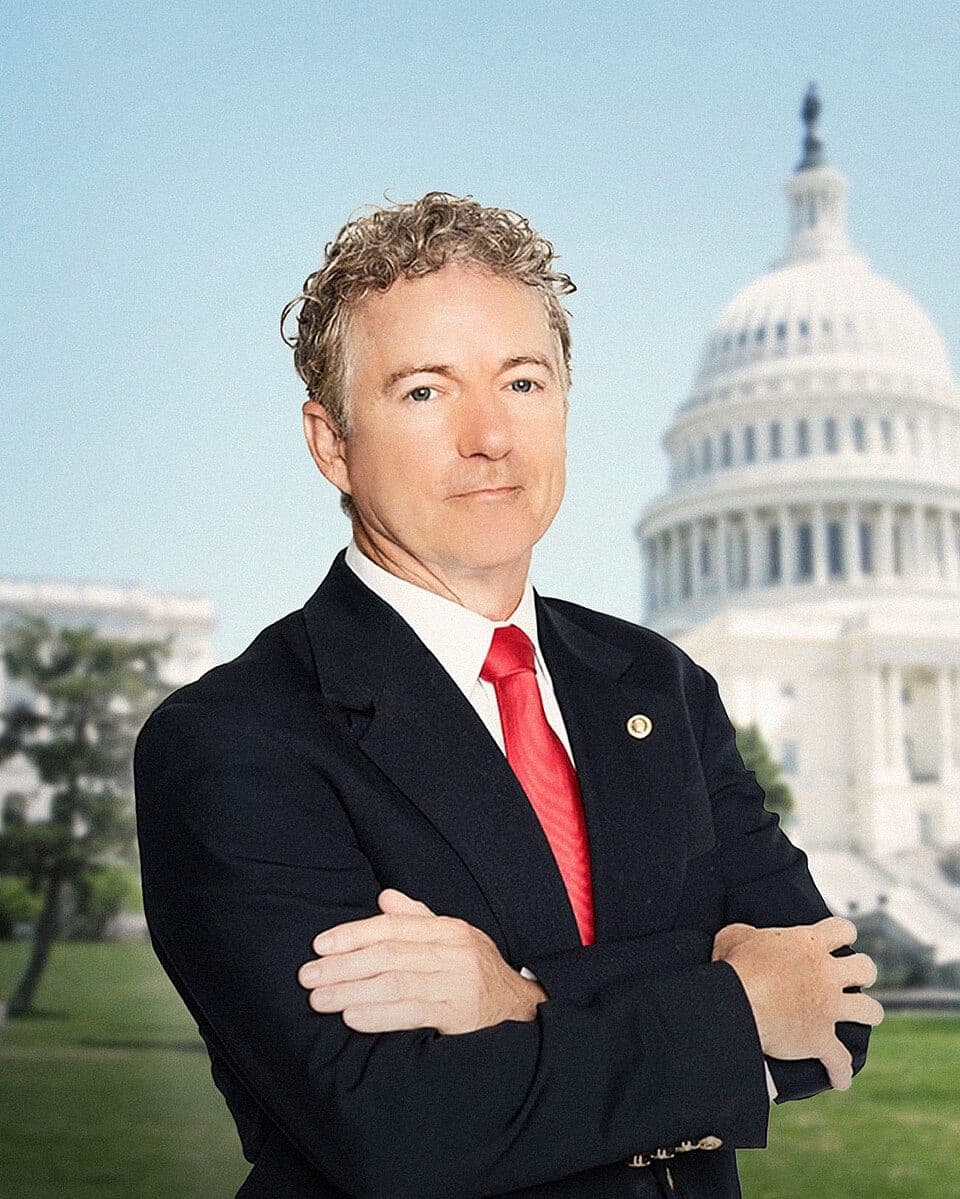
Kentucky senator and co-sponsor of the resolution
Paul's version of this story ↗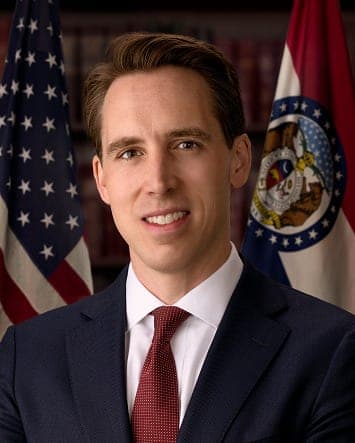
Missouri senator who voted to advance the Venezuela war-powers resolution
Hawley's version of this story ↗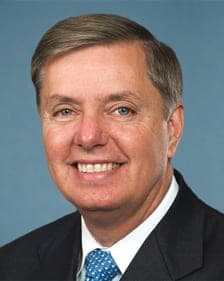
South Carolina senator who argued Trump did not need congressional consent to capture Maduro

Maine senator who voted with Democrats to advance the resolution

Speaker of the House who supported Trump’s authority to act in Venezuela without congressional approval
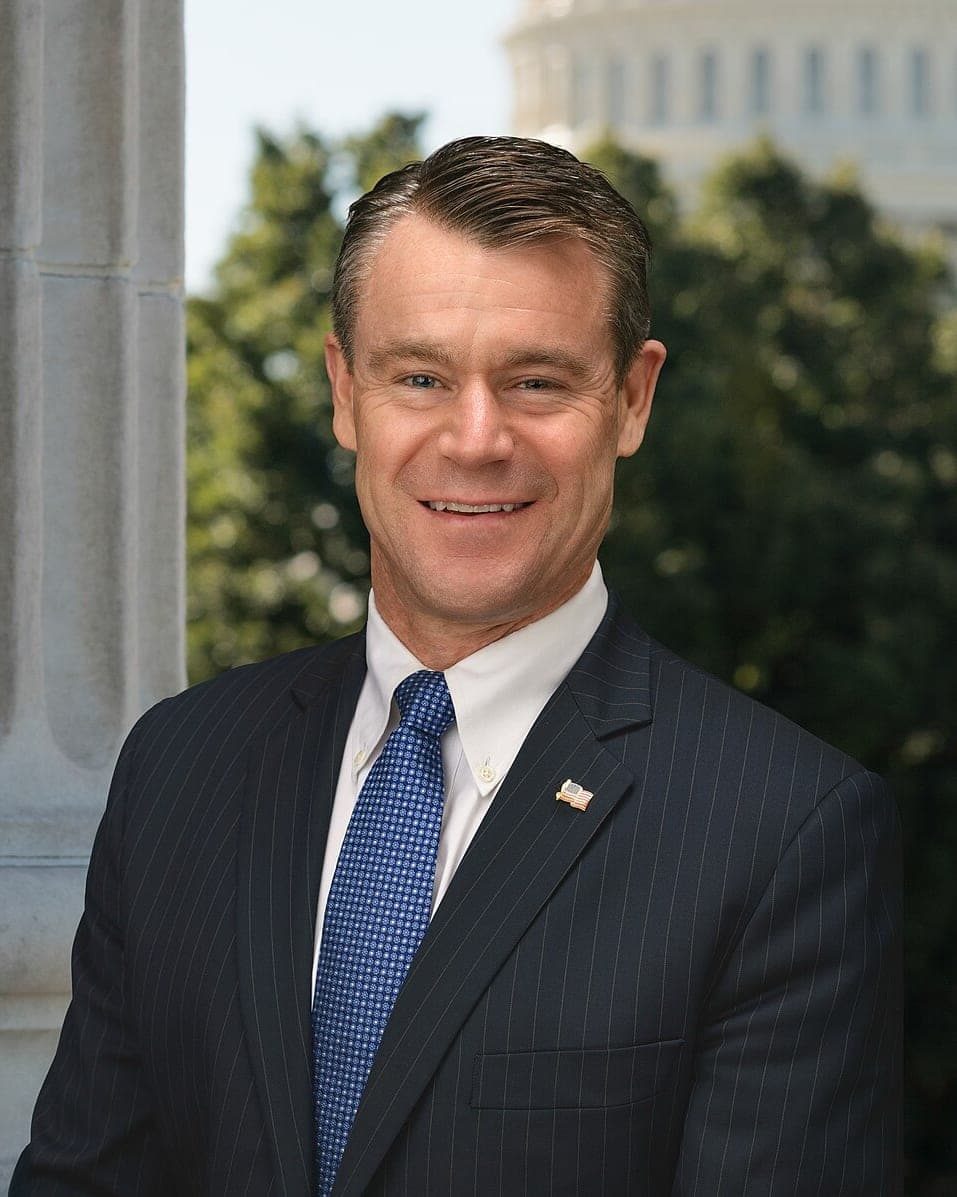
Indiana senator who voted with Democrats to advance the resolution

President whose Venezuela operation prompted debate over congressional limits on military action

Alaska senator who voted with Democrats to advance the resolution
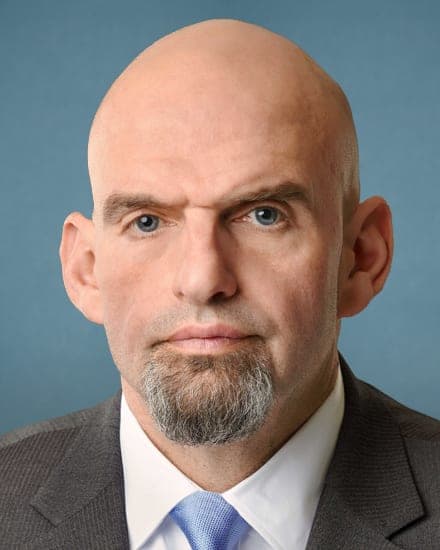
Pennsylvania senator who voted with his party to advance the resolution
Part of a bigger story
10 OUTLETSThe Senate advanced a resolution to limit further U.S. military action in Venezuela without congressional authorization. Tim Kaine pushed for the measure and is identified as its sponsor or introducer in the coverage. Center outlets emphasize the procedural advance, the proposed limits and the measure's next steps. Right-leaning outlets emphasize the check on Trump's military power, with ZeroHedge presenting the vote as a rebuke to him.
- ARTICLES
- 10
- OUTLETS
- 10
- AVG CRED
- 71
- The Miami Times · US Senate with GOP support advances war powers resolution rebuking Trump on Venezuela
- Middle East Eye · US Senate advances measure to curb Trump's war-making powers on Venezuela
- ZeroHedge · Senate Advances Resolution Preventing Trump From Further Military Force In Venezuela Without Approval
Discussion · 0
Loading comments…