Senate Republicans rebel against Trump's $1.8 trillion fund
Cassidy spoke against the proposed fund and cast a key vote on a resolution concerning Trump’s authority over the Iran conflict.
SOURCE CHECK
TAP FOR WHYCredibility rates KGOU 106.3, which republished this story. The other scores rate the article itself.
KGOU is an established public-radio newsroom, and this article is credited to an NPR reporter with NPR copyright. The outlet and author are identified, although the reporting relies partly on anonymous aides.
- Source type — Established local public-radio newsroom with an NPR connection.
- Author attribution — The article identifies Sam Gringlas and credits additional reporting contributors.
- Transparency — The article identifies the outlet and includes an NPR copyright notice.
- Editorial standards — The story attributes claims to named lawmakers and distinguishes anonymous aides from on-record sources.
The story draws on statements from several named senators and includes differing accounts from two aides about why the vote was postponed. It gives useful procedural and political context, though much of the rationale for the delay rests on anonymous sources and the administration’s perspective is limited.
HOW WE SCORE ↗The story presents several Republican perspectives and two explanations for the delay, as well as Trump’s remarks. It offers limited direct explanation from the administration about the fund or its intended operation.
- Source diversity — Quotes multiple senators and two aides with contrasting accounts of the delay.
- Counterarguments presented — Includes Trump’s position and remarks alongside Republican criticism.
- Omitted context — The administration’s substantive case for the fund is not developed in the article.
- Loaded language — Some forceful terms appear, but are generally attributed or used as political description.
The article reports Republican objections and Trump’s arguments in relatively restrained language, with no clear partisan framing in its account of the dispute.
- Language tone — Mostly descriptive language, with claims attributed to speakers.
- Source selection — Includes statements from Republican senators, Trump, and aides offering differing explanations.
- Framing — Frames the dispute as an internal Republican conflict without an explicit verdict.
Republished with credit
Republished from NPR, with credit to the original publisher.
76 stories · 89–90 · updated Oct 7, 2026
This is NPR's own score, and this article is credited to NPR. The host score in the Source Check is KGOU 106.3's.
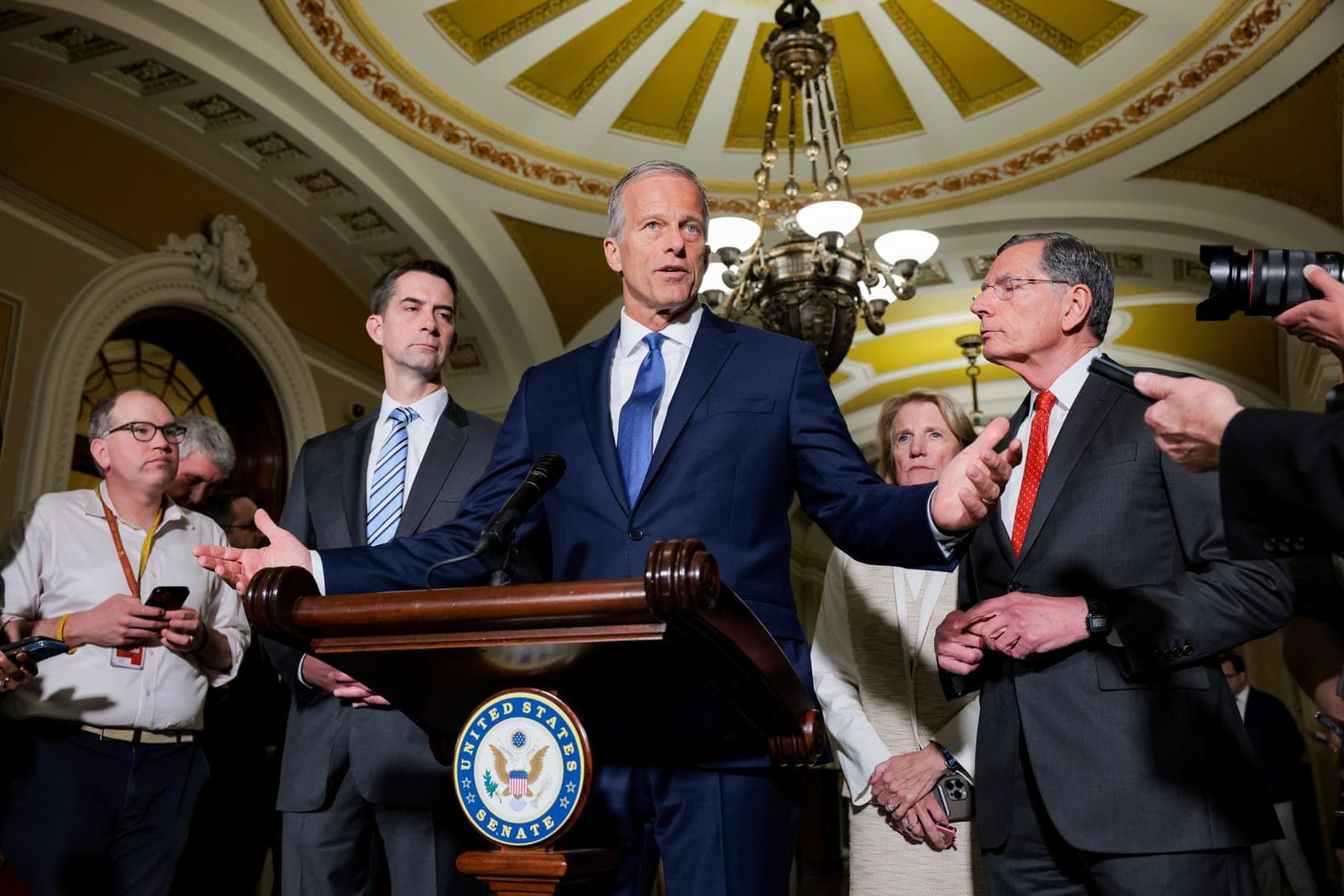
Senate Republicans delayed a vote on immigration-enforcement funding as lawmakers raised concerns about a proposed $1.8 billion fund for people who say they were politically targeted. The dispute highlights growing Republican resistance to President Trump and could complicate his funding deadline.
Congress was set to leave for a weeklong recess without passing a Republican-backed measure to fund immigration enforcement. The article says the proposed $1.8 billion “Anti-Weaponization” fund is not part of the $72 billion immigration-enforcement measure, but Republican concerns about the fund contributed to postponing votes. One aide said a Democratic amendment targeting the fund might have drawn enough Republican support; another said leaders wanted more time to address caucus concerns.
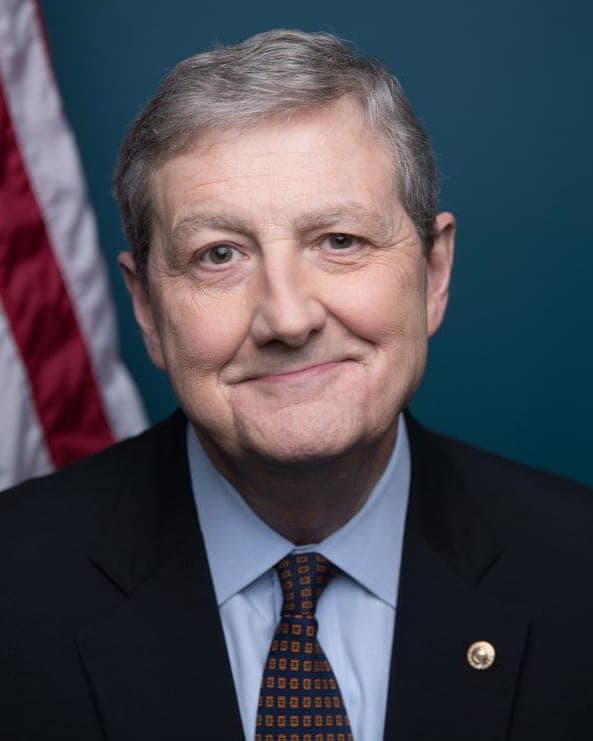
Sen. Bill Cassidy publicly opposed the fund and voted to advance a war powers resolution concerning the conflict with Iran. Sen. Lisa Murkowski said Trump’s endorsement of Ken Paxton over Sen. John Cornyn could jeopardize the Texas seat, while Senate Majority Leader John Thune said many members were concerned about the fund. Trump has pressed Republicans to pass immigration funding by June 1 and criticized lawmakers who do not support his agenda. The article says Republican resistance could affect the Senate’s ability to advance its budget reconciliation bill.
Community verdict
32 VOTES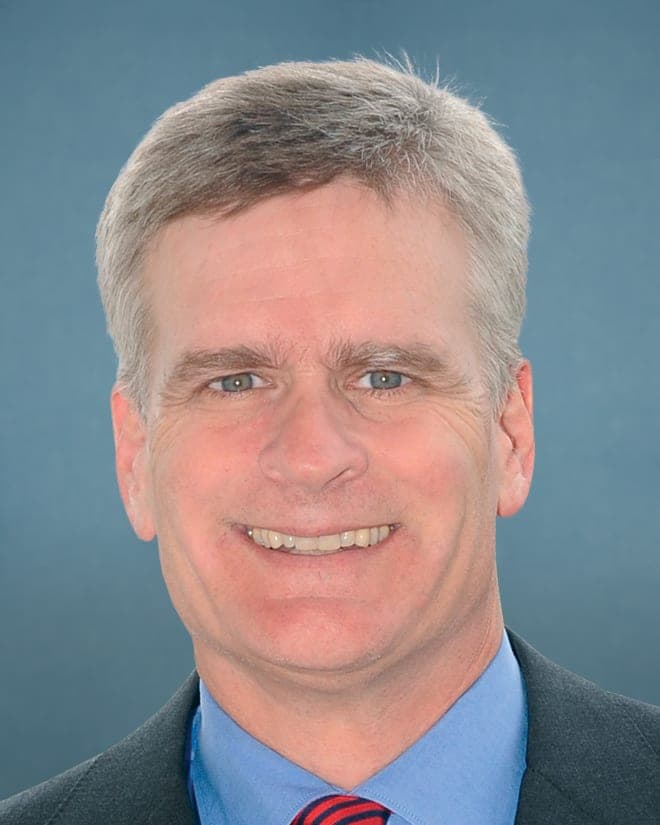
People in this story
SWIPE →Senator opposing the fund and voting to advance a war powers resolution
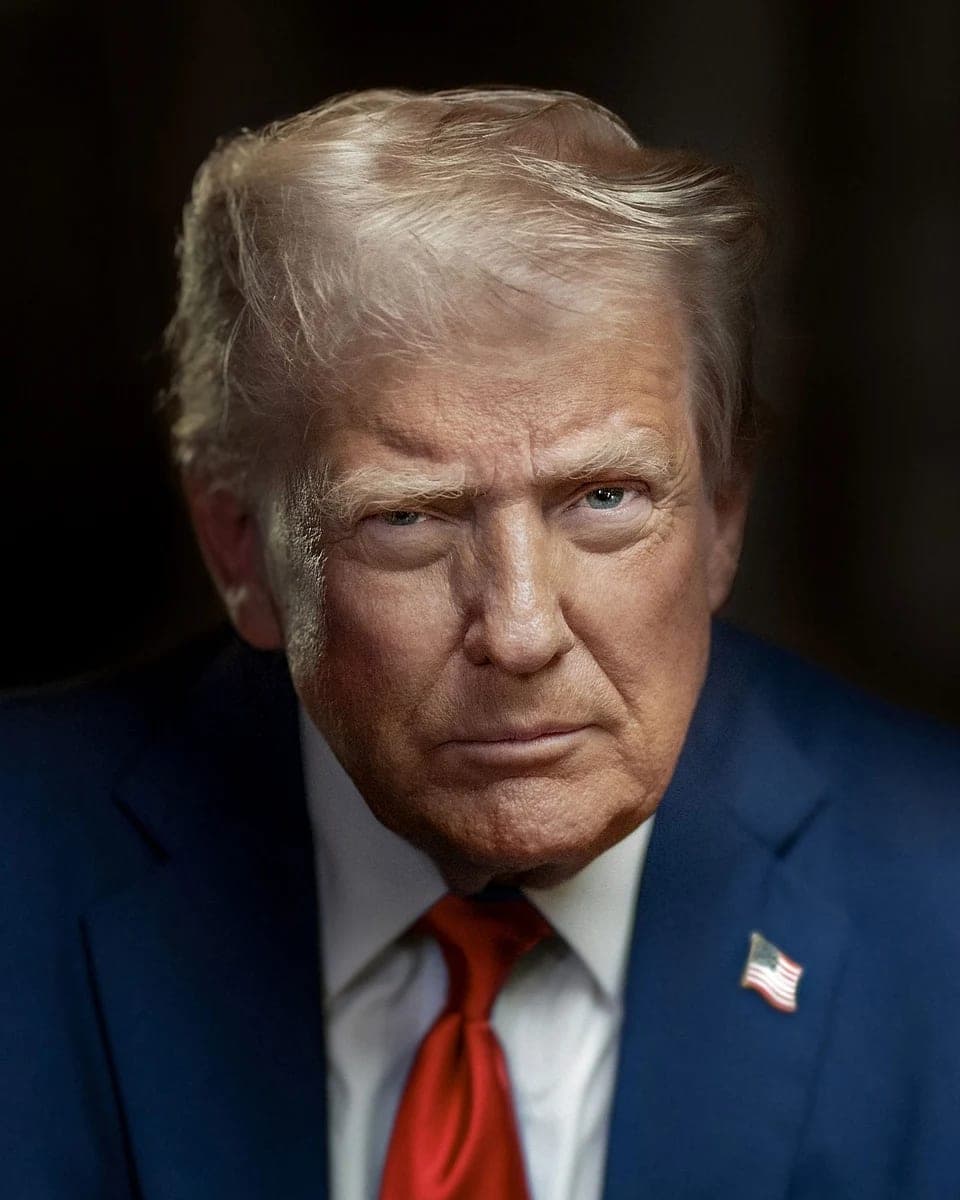
President seeking the fund and pressing Republicans to support his priorities
Trump's version of this story ↗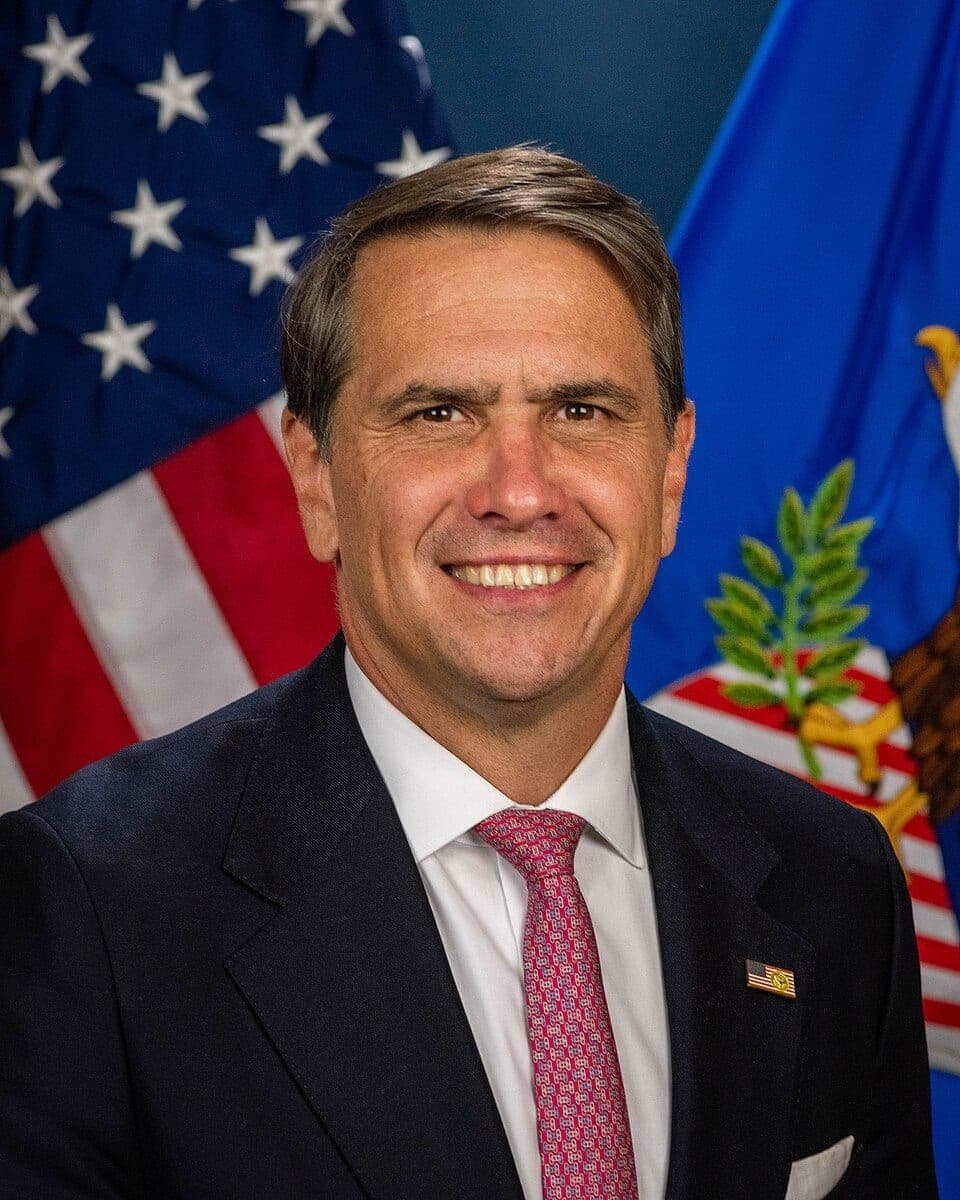
Acting attorney general questioned by senators about the fund
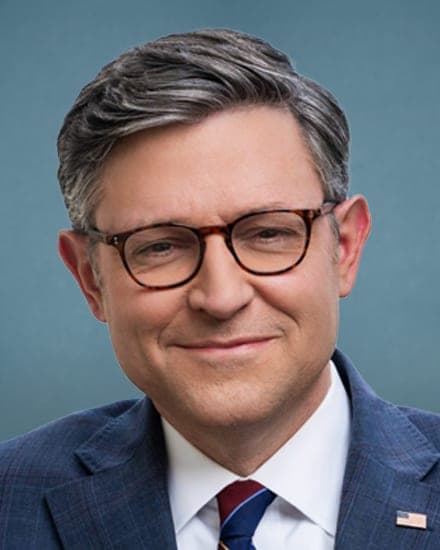
Speaker of the House commenting on Republican lawmakers’ conduct

Representative described as a Trump political target
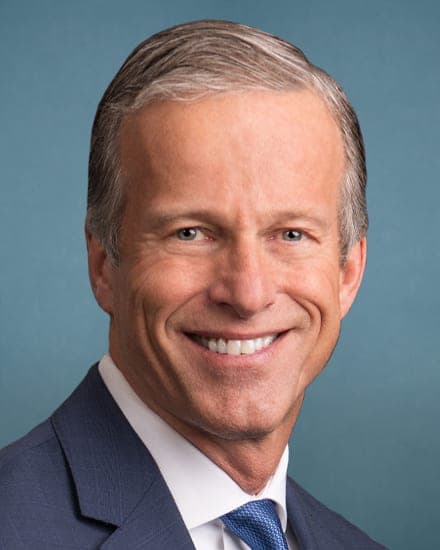
Senate Majority Leader responding to Republican concerns about the fund

Senator criticizing Trump’s approach and discussing Republican resistance
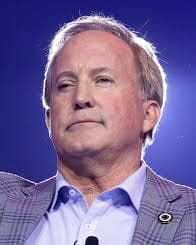
Texas attorney general endorsed by Trump in the Republican Senate primary
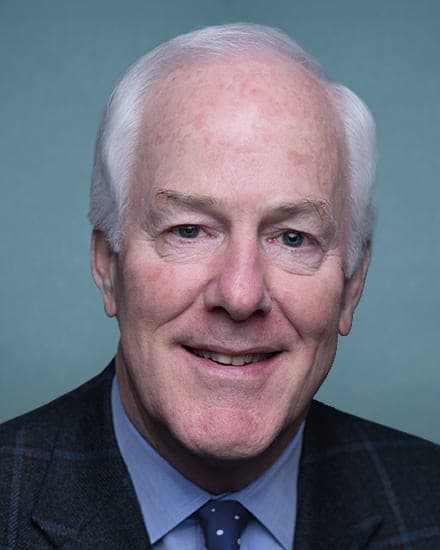
Senator facing a Trump-endorsed primary challenger
Part of a bigger story
8 OUTLETSOutlets agree Bill Cassidy lost his primary election. Center outlets take different angles, linking the loss to the political risks of public-health leadership in one account and focusing on Cassidy’s plans to speak more openly against Trump in another. Right-leaning outlets present the loss as evidence that Republicans who oppose Trump risk electoral consequences.
- ARTICLES
- 11
- OUTLETS
- 8
- AVG CRED
- 63
Discussion · 0
Loading comments…