Senator Cassidy's Loss Shows Political Risk of Public Health Leadership
The author links Cassidy’s vote to confirm Kennedy with the political risks of public-health leadership.
SOURCE CHECK
TAP FOR WHYForbes is an established national publisher, and this piece has a named author. It is an argument by a contributor rather than a reported account, so its institutional reputation does not establish the article’s claims independently.
- Source type — Forbes is an established national publication.
- Author attribution — The article names its author.
- Editorial standards — The piece is presented as an authored commentary, not original reported coverage.
The article makes a clear argument and includes Cassidy’s stated position on vaccines, but it relies mainly on the author’s interpretation and provides little independent sourcing or opposing perspective.
HOW WE SCORE ↗This is a strongly argued commentary that criticizes Cassidy’s vote and presents the public-health risks of Kennedy’s leadership. It gives little space to arguments in favor of Cassidy’s decision or Kennedy’s views.
- Counterarguments presented — No substantive defense of the vote or Kennedy’s public-health positions is presented.
- Opinion vs reporting — The piece advances the author’s interpretation and recommendations rather than presenting a range of reported perspectives.
- Source diversity — The argument relies predominantly on the author’s own account and judgments.
The article favors public-health and vaccine-science leadership and criticizes Cassidy’s choice in a way that is somewhat critical of the Republican political environment. Its framing is not overtly partisan, but it leans left.
- Framing — The article argues that political pressure aligned with Trump and the MAHA movement shaped Cassidy’s decision.
- Language tone — It describes the vote as giving dangerous public-health positions institutional legitimacy.
- Source selection — The argument is developed through the author’s perspective without a response from Kennedy or defenders of the vote.
Brian Castrucci argues that Bill Cassidy’s defeat in the Republican primary followed his vote to confirm Robert F. Kennedy Jr. as health secretary, despite Cassidy’s stated concerns about Kennedy’s vaccine views. He presents the episode as a warning about the political risks of defending public health.
Castrucci says Cassidy wrestled with whether to support Kennedy’s nomination, voiced concerns about Kennedy’s record on vaccines, and ultimately voted to confirm him. The author argues that Cassidy’s decision appeared aimed at avoiding backlash from Republican voters but did not prevent his primary defeat.
Castrucci contends that the vote lent institutional legitimacy to skepticism toward vaccines and public-health expertise. He argues that public health affects national security, the economy and community well-being, and calls on candidates to offer serious, evidence-based plans.
Community verdict
VOTING CLOSED
No good or bad look here
This story reports what happened without casting Cassidy in a good or bad light, so readers don’t rate it and it doesn’t count toward Cassidy’s record.
People in this story
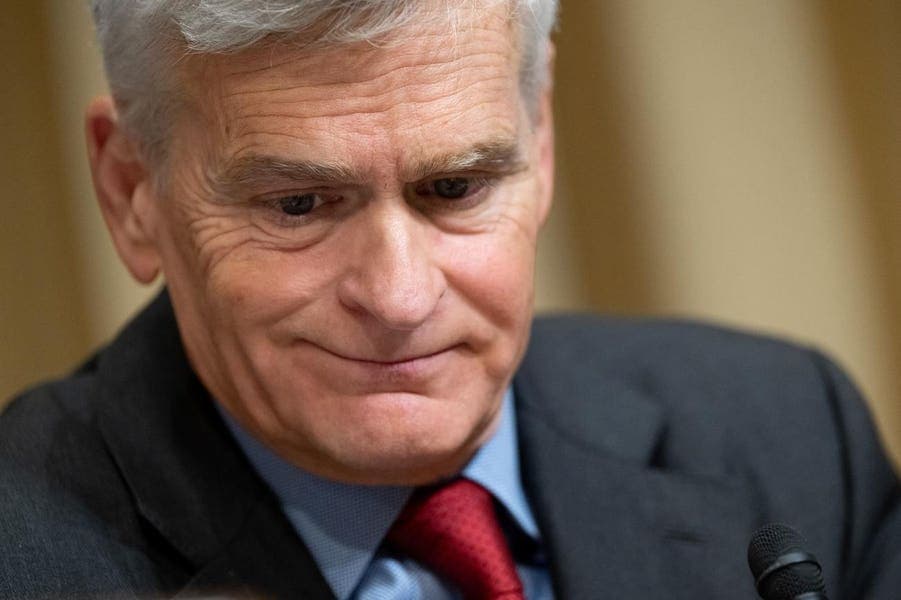
SWIPE →Louisiana senator whose vote to confirm Kennedy and primary defeat anchor the commentary
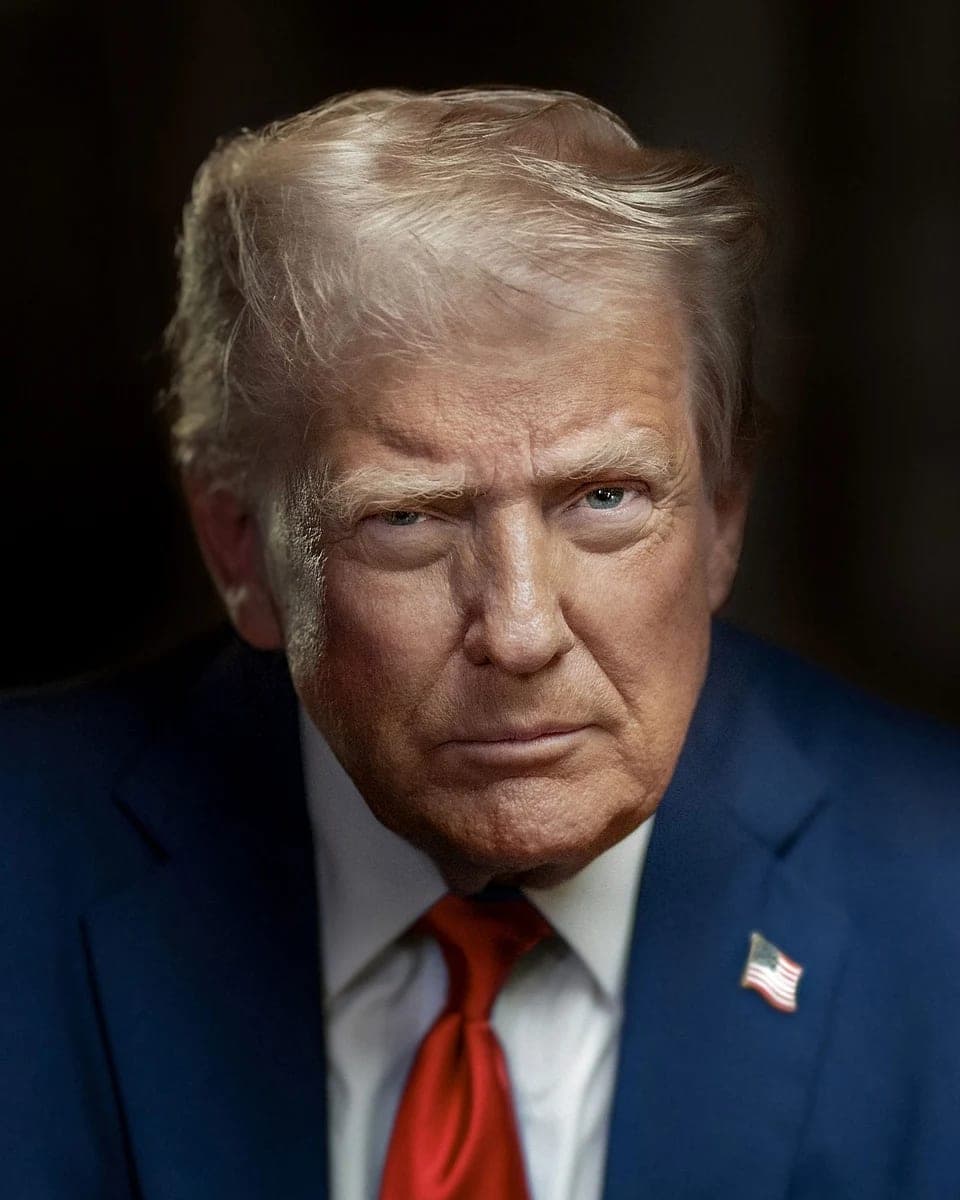
President referenced as part of the political environment around Cassidy’s decision
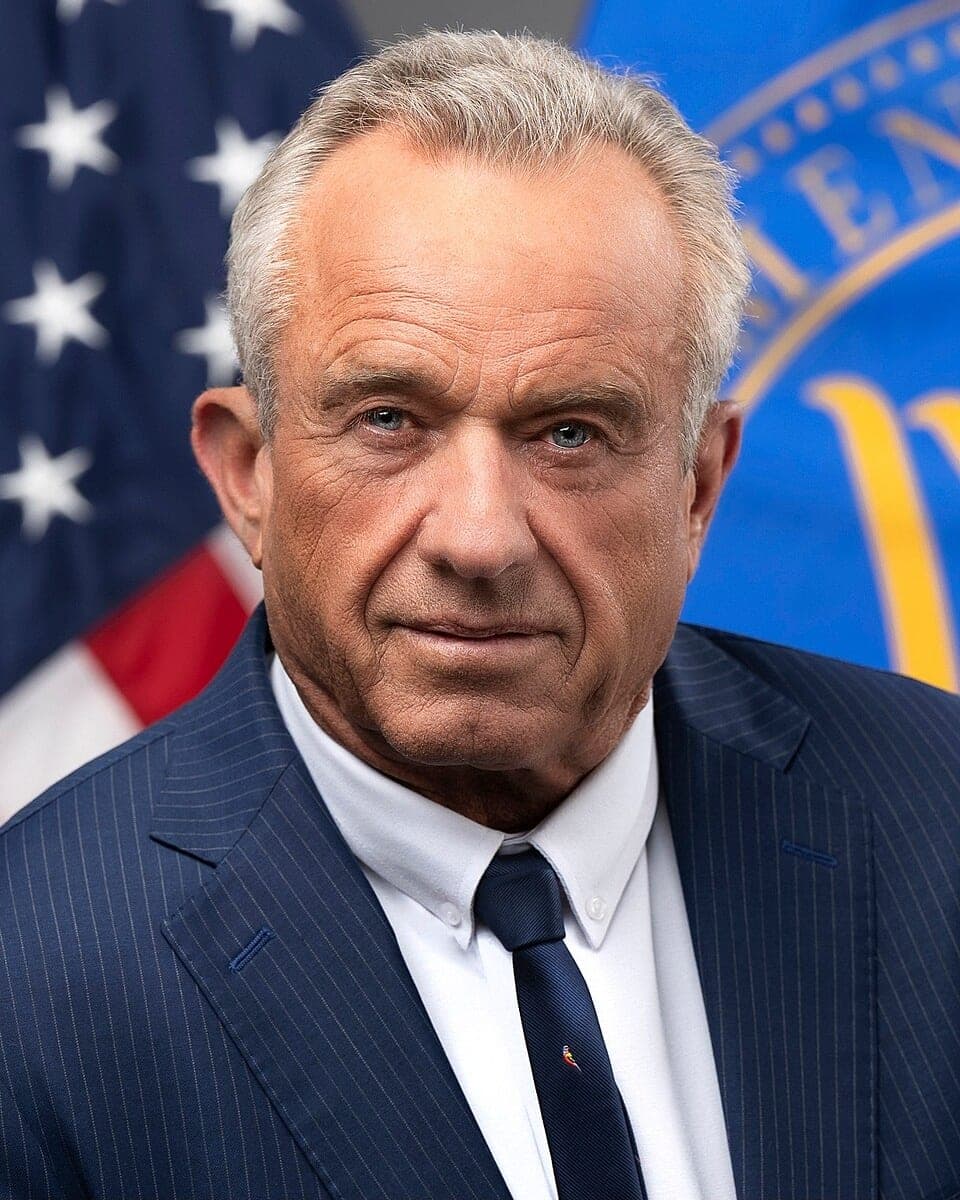
Health and Human Services secretary whose confirmation Cassidy supported
Part of a bigger story
8 OUTLETSOutlets agree Bill Cassidy lost his primary election. Center outlets take different angles, linking the loss to the political risks of public-health leadership in one account and focusing on Cassidy’s plans to speak more openly against Trump in another. Right-leaning outlets present the loss as evidence that Republicans who oppose Trump risk electoral consequences.
- ARTICLES
- 11
- OUTLETS
- 8
- AVG CRED
- 63
Discussion · 0
Loading comments…