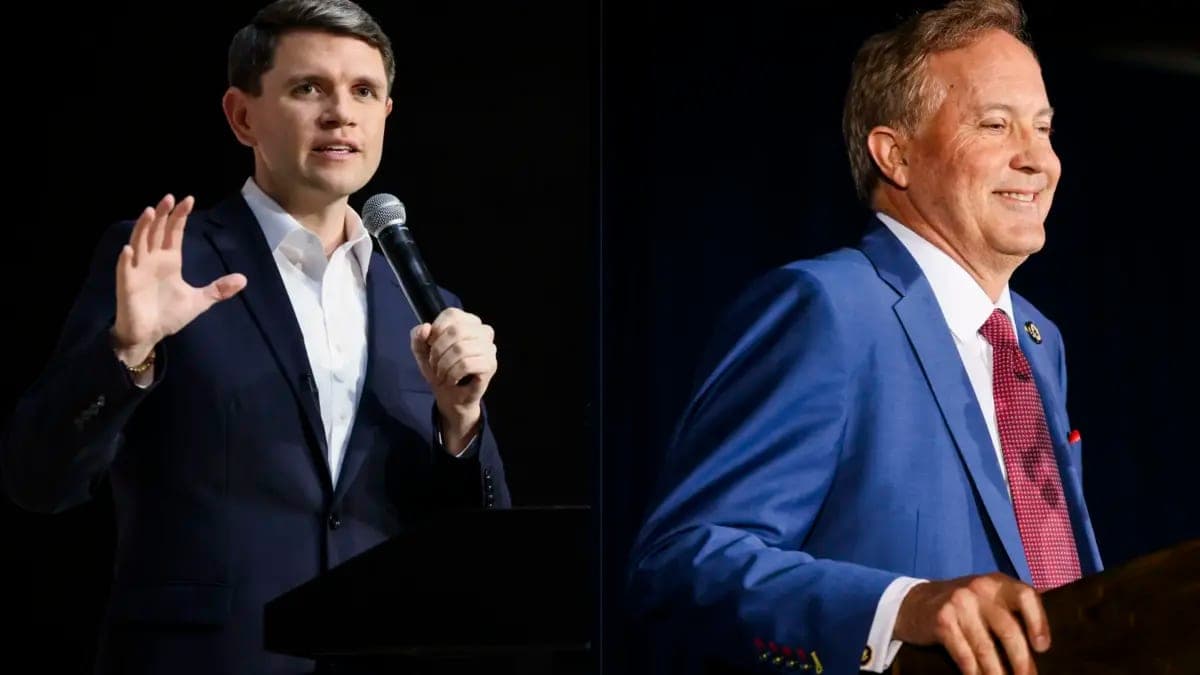
Paxton-Talarico contest on course to demolish Texas record for campaign spending in a U.S. Senate election
Paxton’s campaign has spent relatively little on advertising, while outside groups supporting him have spent heavily and ads attack his record.
SOURCE CHECK
TAP FOR WHYCredibility rates KERA, where this article appeared. The other scores rate the article itself.
The page identifies a named reporter and attributes the reporting to Houston Public Media, a regional public-media newsroom. The story relies on an advertising-data firm and several named academic experts, though the publisher's own credibility rating is unavailable.
- Source type — Regional public-media reporting, an outlet type generally associated with established editorial practices.
- Author attribution — The page names Andrew Schneider and identifies Houston Public Media as the reporting source.
- Transparency — The story identifies its data source and names experts whose statements support its explanations.
- Track record — No publisher-specific track-record rating is supplied in the metadata.
The article uses attributed advertising-spending figures and comments from multiple named experts, and it gives examples of ads from both sides. It offers limited direct response from the candidates or their campaigns and relies on expert interpretation for the likely effects of advertising.
HOW WE SCORE ↗The report gives figures for both candidates and discusses ads from both sides, with several independent experts providing context. It does not include direct responses from either campaign, leaving some perspective on the candidates’ strategies absent.
- Source diversity — The story uses a data firm and several named academic experts, but no campaign representatives are quoted.
- Counterarguments presented — It describes advertising and spending from both camps, though not competing campaign explanations.
- Loaded language — Most charged characterizations are attributed to quoted sources or tied to the ads being described.
- Omitted context — Direct responses from Paxton's and Talarico's campaigns are not included.
Political lean of this article's coverage based on language, topic selection, and framing. 0 = far left, 50 = center, 100 = far right.
- Language tone — Mostly descriptive wording, with evaluative language attributed to a quoted expert.
- Source selection — Quotes multiple academic experts and cites AdImpact for spending data.
- Framing — Explains the spending and advertising strategies of both campaigns and supporting groups.
- Headline — The headline frames the story around projected spending rather than taking a position on the candidates.
Original publisher not identified
This article credits another publisher, which ChamberLight has not identified, so the scores are KERA's own.
AdImpact projects that spending on Texas’s Paxton-Talarico Senate contest could reach $440 million, more than double the record set in 2024. The report describes a surge in outside-group advertising and increasingly negative ads as both parties compete for a closely contested seat.
AdImpact says advertising spending in the 2024 Texas Senate race exceeded $210 million and projects $440 million in spending for the Paxton-Talarico contest by Nov. 3. As of mid-September, the two campaigns and supporting outside groups had spent more than $153 million. Talarico’s campaign had spent just under $50 million on general-election ads by Sept. 17, while Paxton’s campaign had spent $465,000 and conservative super PACs had spent $98.5 million. Experts quoted in the report say advertising can matter in a close race, and note that Texas’s size makes statewide advertising costly.
The article says Talarico’s ads attack Paxton over alleged political corruption and a video of Paxton taking a pen; the pen’s owner declined to press charges and endorsed Talarico in an ad. Pro-Paxton ads include an AI-generated image of Talarico using statements about his Christian faith. A University of Houston professor called the use of the technology “gross misconduct,” while a Wesleyan University expert said AI-generated political ads are often undisclosed and that the federal government has not regulated them. The report also describes a 2019 Texas law criminalizing certain deceptive election videos within 30 days of an election.
Community verdict
13 VOTESPeople in this story
SWIPE →Republican Senate candidate whose campaign and supporting super PACs are part of the spending comparison and whose record is targeted in ads
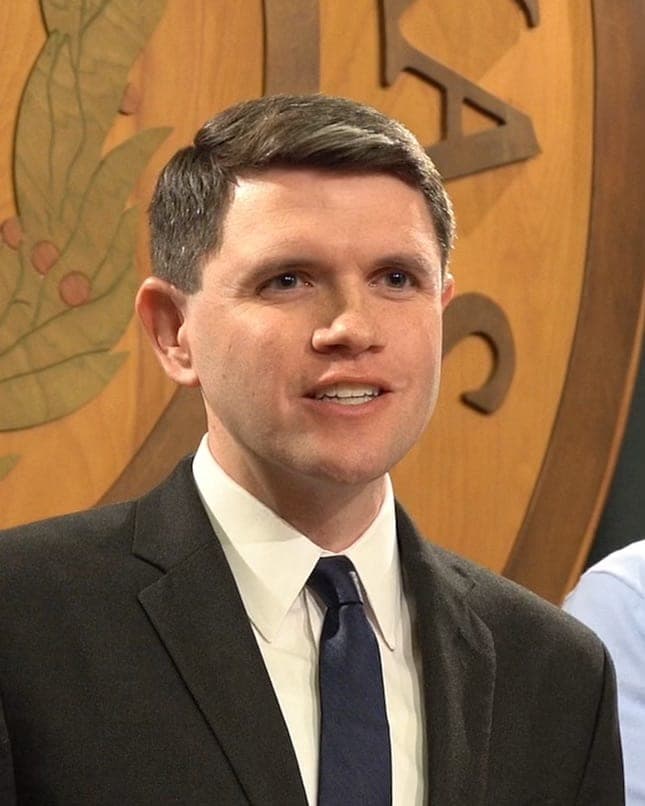
Democratic Senate candidate whose campaign spending and advertising are examined
Talarico's version of this story ↗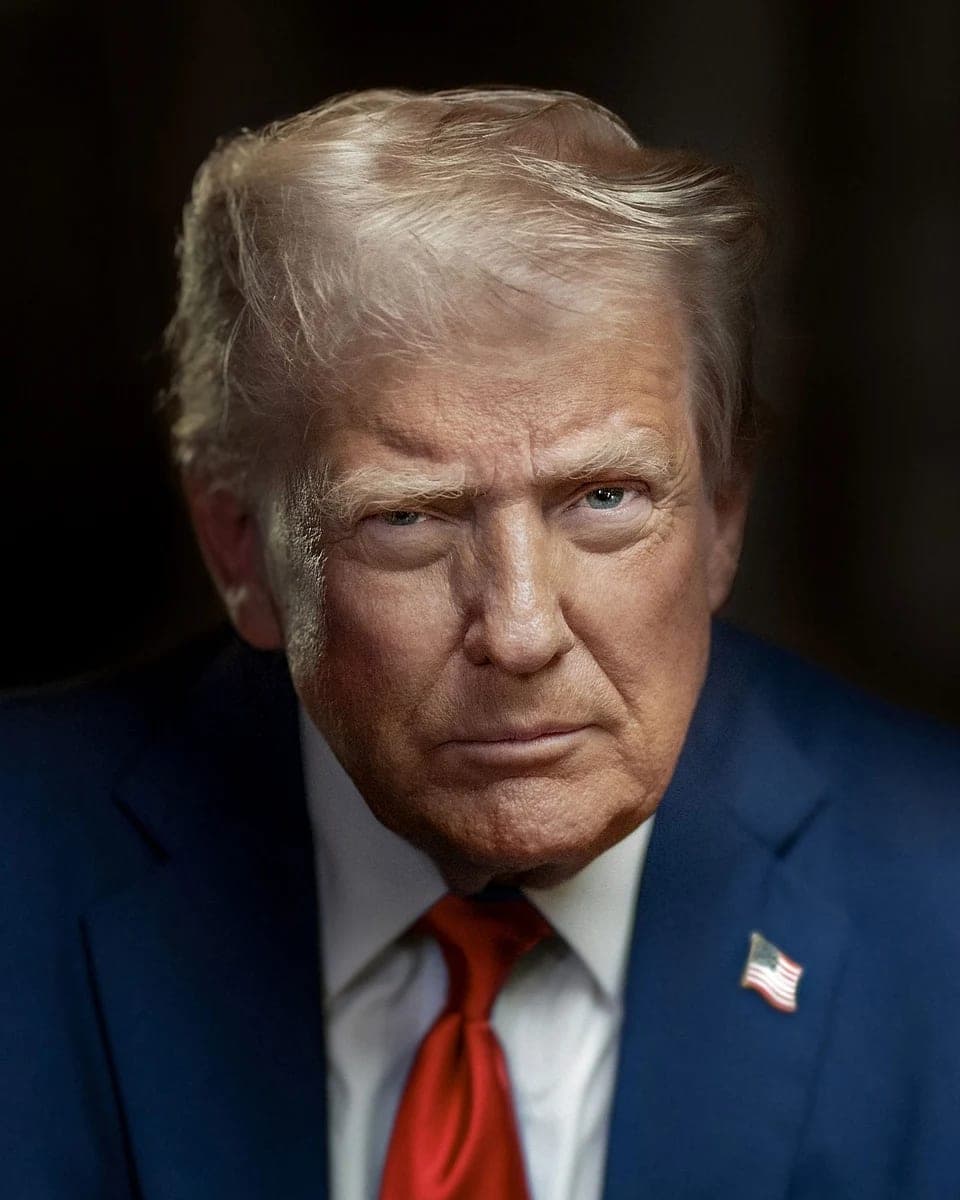
President whose super PAC is identified as one source of advertising support for Paxton
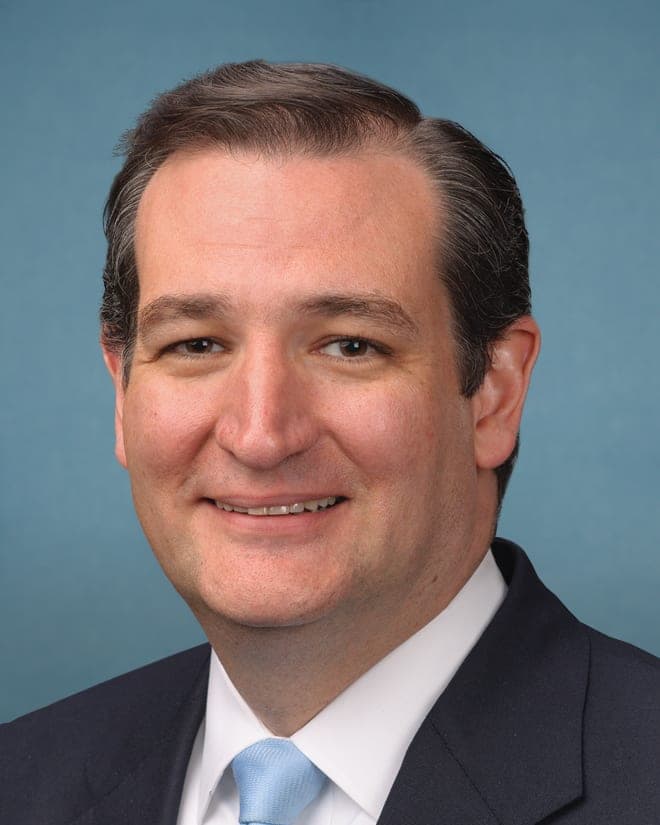
Senator in the prior Texas race used for comparison
Former Texas candidate used as a comparison for Talarico’s prospects
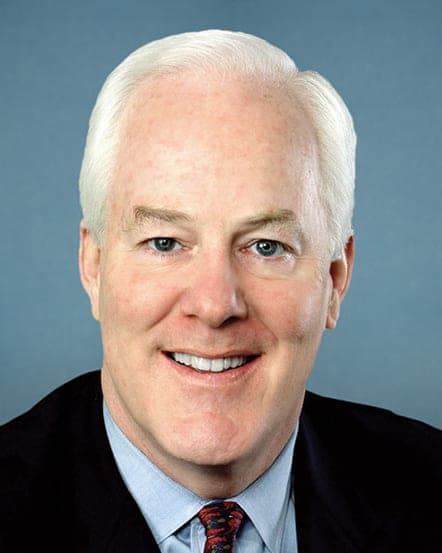
Texas senator whose seat the candidates are seeking
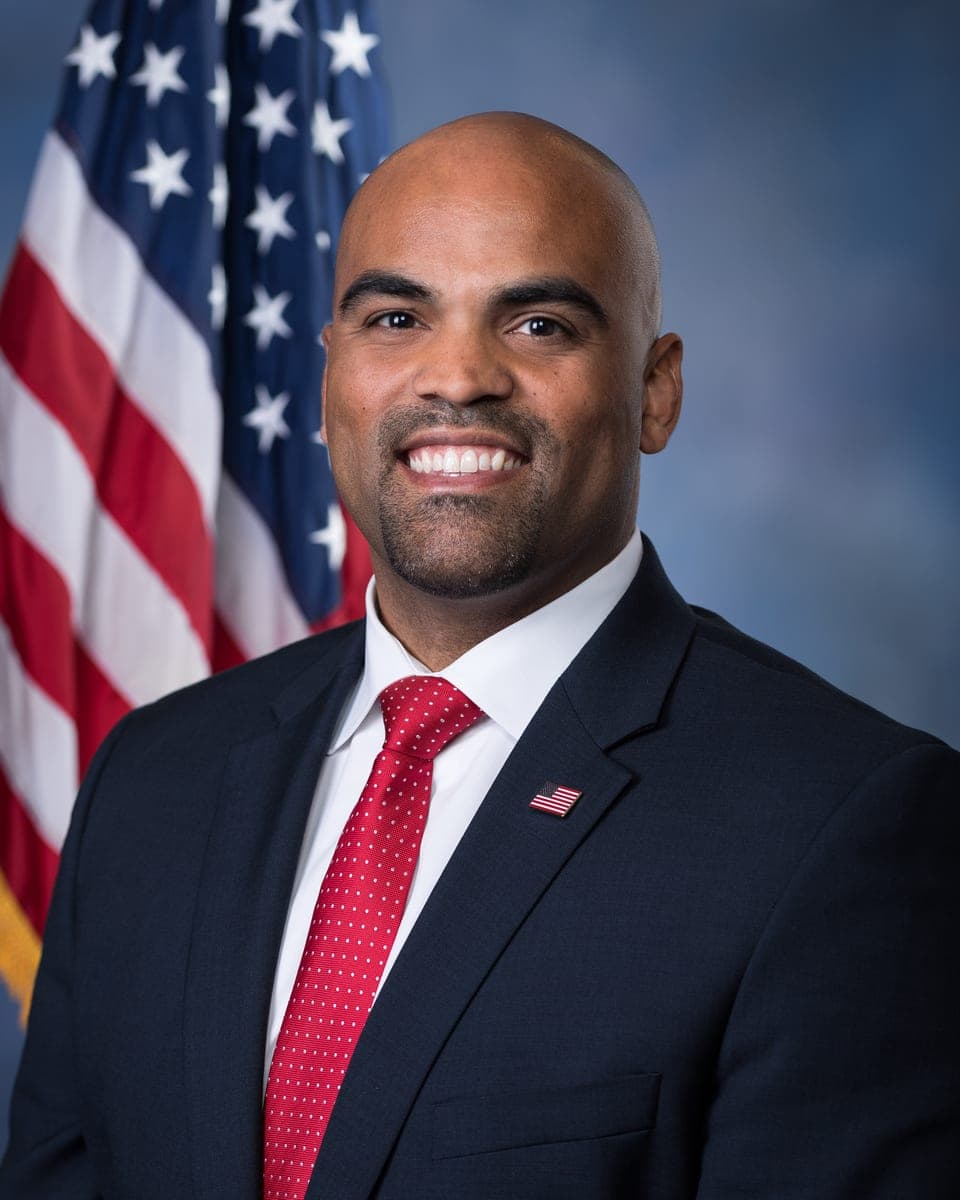
Democratic candidate in the 2024 Texas Senate race used for comparison
Part of a bigger story
3 OUTLETSAdImpact projects advertising in Ken Paxton’s Senate contest with James Talarico could reach $440 million, more than double the record set in Texas’s 2024 Senate race. The articles describe heavy outside-group spending and increasingly negative ads. Center outlets focus on the projected spending record and increasingly negative advertising, including spending by outside groups supporting Paxton.
Discussion · 0
Loading comments…