Tony Wied's trades show reason for stock trading rules, experts say
Wied’s disclosed stock trades and committee responsibilities prompted ethics experts to raise concerns about potential conflicts.
SOURCE CHECK
TAP FOR WHYThe Journal Sentinel is an established regional newspaper with a recognizable newsroom, and the article identifies its reporting and uses disclosure records and named sources. The page gives no author name in its metadata, which limits transparency somewhat.
- Source type — Established regional newspaper with a record of local and state political reporting.
- Editorial standards — The article attributes expert assessments and distinguishes concerns about conflicts from evidence of a rule violation.
- Transparency — It identifies the disclosure records and several named sources, but the recorded author is unknown.
The article uses federal disclosure records, named ethics experts and statements from advocacy groups, and it notes the absence of an accusation or evidence of rulebreaking. It includes Wied’s office response and the bill’s critics, though it offers limited direct discussion from Wied or a source defending his trading.
HOW WE SCORE ↗The article presents expert concerns, advocacy-group arguments for different levels of restrictions, and the caveat that Wied has not been accused of wrongdoing. Wied did not answer questions about his holdings, and the story includes little direct argument in defense of members’ individual stock trading.
- Source diversity — Several ethics and advocacy voices are included, but the article offers little direct defense of the trading practices discussed.
- Counterarguments presented — The article notes the lack of an allegation or evidence of rulebreaking and includes Wied’s office’s earlier statement about an independent adviser.
- Omitted context — Wied did not answer questions about his holdings, leaving his explanation of the specific trades unavailable.
The article uses a largely factual, attributed presentation and includes both the experts’ concerns and the caveat that there is no evidence of a rule violation. Its focus on trades that may create conflicts does not, by itself, establish a partisan lean.
- Language tone — Mostly restrained language, with conflict concerns attributed to experts.
- Framing — The headline emphasizes experts’ case for stock-trading rules, while the text also states that no wrongdoing has been alleged or established.
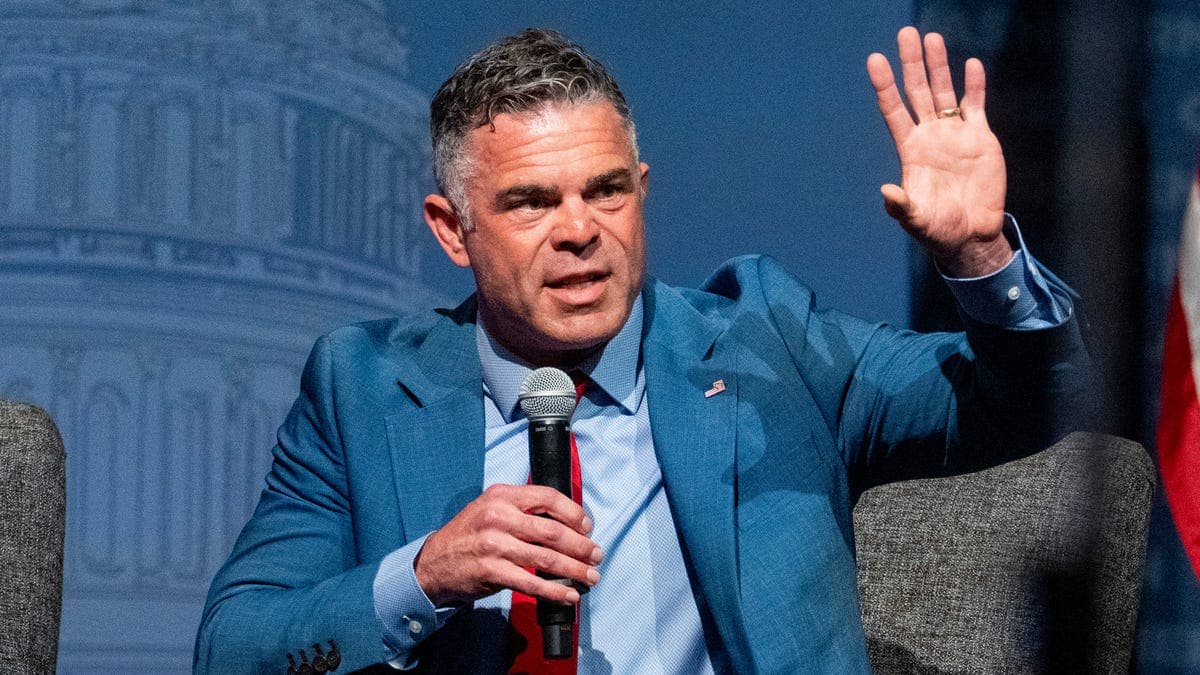
Rep. Tony Wied’s disclosed stock trades overlapped with committee work and legislation affecting some of the companies, prompting ethics experts to question potential conflicts. The article says Wied has not been accused of wrongdoing and there is no evidence he violated congressional rules.
Federal disclosures show Wied bought and sold stocks in companies connected to industries overseen by committees on which he serves. The article highlights trades involving Block and Visa around House Agriculture Committee work on a farm bill that included a provision affecting fees earned by those companies. Ethics experts said the timing raised conflict-of-interest questions, while the article noted there was no evidence Wied broke congressional rules. Wied did not answer questions about his holdings; his office had previously said an independent adviser manages his accounts.
The article also describes the congressional stock-trading debate. Rep. Bryan Steil’s Stop Insider Trading Act passed the House but failed in the Senate, where Sen. Tammy Baldwin voted against it. The article reports that some advocates favor tighter restrictions than Steil’s bill and that the issue has featured in campaign ads involving Steil and House candidate Mitchell Berman.
Community verdict
17 VOTES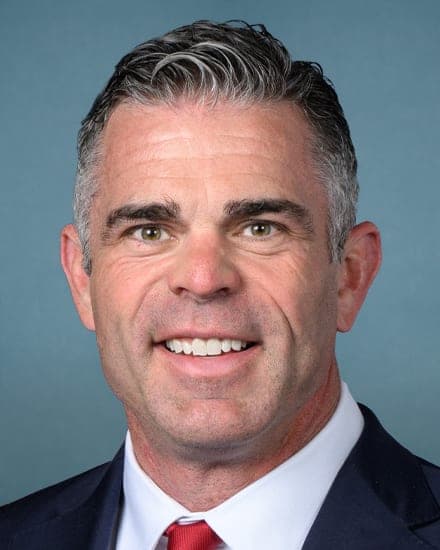
People in this story
SWIPE →Wisconsin representative whose disclosed stock trades overlapped with committee work
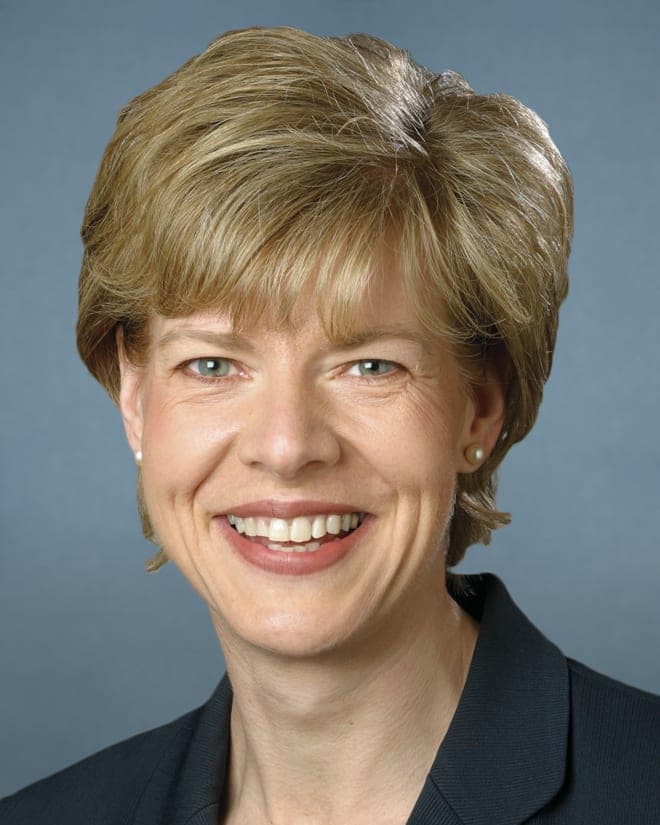
Wisconsin senator who voted against the stock-trading bill
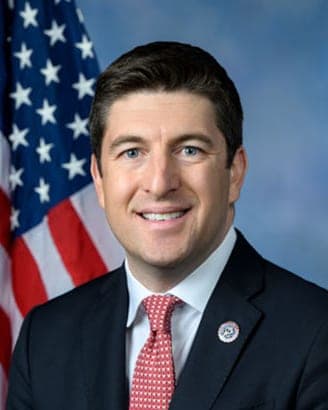
Wisconsin representative whose stock-trading bill is discussed

Democratic House candidate whose campaign ad criticized Steil on stock trading
Discussion · 0
Loading comments…