Abdul El-Sayed and the Piker Problem
The author argues that El-Sayed’s campaign association with Hasan Piker has drawn attention to El-Sayed’s own statements and positions.

SOURCE CHECK
TAP FOR WHYThis appears to be a personal, opinion-oriented site rather than an established newsroom, and the page provides little evidence of institutional reporting practices. The claims are attributed to the author, but the metadata does not identify a byline or show correction and sourcing practices.
- Source type — Although classified as local news, the personal site and first-person argument read more like a blog or opinion outlet.
- Author attribution — The metadata lists the author as unknown; the page's first-person voice suggests an authorial essay but does not establish a clear byline here.
- Editorial standards — The page gives no visible information about newsroom standards or corrections practices.
- Transparency — The argument relies on characterizations and references to remarks without linking or documenting their original context in the supplied text.
The article cites specific remarks and events, but offers little direct documentation or source diversity, does not include responses from El-Sayed or Piker, and uses strongly evaluative language. It is complete and long enough to assess, but its presentation is more argumentative than reported.
HOW WE SCORE ↗The article is a strongly one-sided argument. It quotes Dingell and describes some of El-Sayed’s statements, but does not provide responses from El-Sayed or Piker or substantial context that could challenge the author’s conclusions.
- Counterarguments presented — No substantive response from El-Sayed or Piker is included.
- Loaded language — The article repeatedly uses condemnatory labels and judgments.
- Source diversity — The supplied text relies primarily on the author's account and does not identify independent sources.
- Omitted context — The article does not provide fuller context for the cited remarks or responses to its interpretation of them.
The piece uses strongly critical language about El-Sayed and Piker and frames their views as evidence of a broader problem within the Democratic Party. It presents little material that would complicate or counter that argument.
- Language tone — Uses charged descriptions such as “raving lunatic,” “raging antisemite,” and “extreme views.”
- Framing — Frames El-Sayed’s positions as a defining problem for the Democratic Party.
- Source selection — Presents critical interpretations and remarks without responses from the people criticized.
The author argues that Abdul El-Sayed’s campaign appearances with Hasan Piker have focused attention on El-Sayed’s own statements about Israel and political violence. The article also criticizes Rep. Debbie Dingell for telling reporters not to ask her about Piker.
The author says Senate candidate Abdul El-Sayed campaigned with Hasan Piker and argues that Piker’s past remarks have prompted questions about the association. The article describes Rep. Debbie Dingell telling reporters not to ask her about Piker again, and criticizes that response.
The author says El-Sayed condemned a Michigan synagogue attack but also referred to the attacker’s family being killed by the Israeli military, and notes that El-Sayed declined to answer whether Israel has a right to exist in a CNN interview. The piece also cites El-Sayed’s “choke out” remark about Republicans and his description of Sen. John Fetterman and other moderates. It concludes that El-Sayed’s positions extend to wealth taxes, reparations, and changes to the constitutional system.
Community verdict
2 VOTES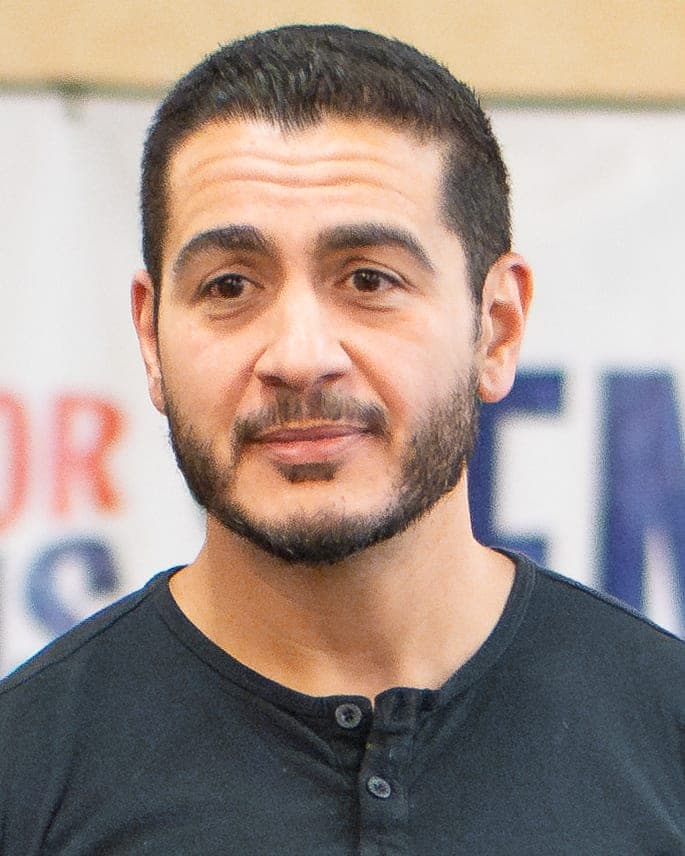
People in this story
SWIPE →Michigan Senate candidate criticized for his association with Hasan Piker and his public statements
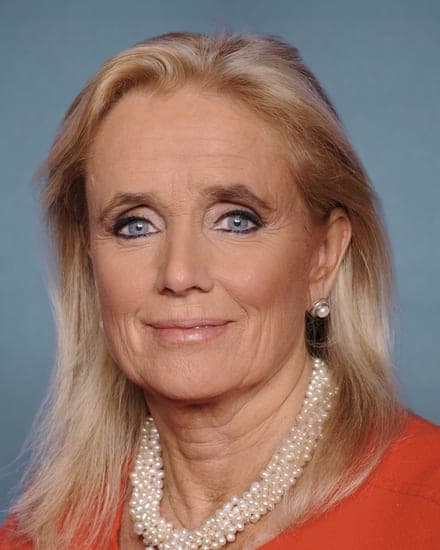
Representative quoted telling reporters not to ask her about Hasan Piker
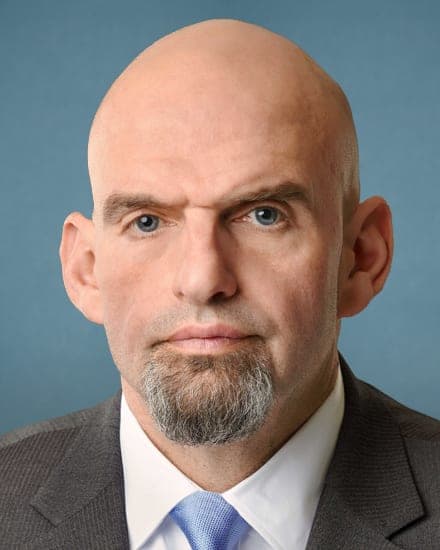
Senator cited as a target of El-Sayed’s rhetoric
Part of a bigger story
9 OUTLETSCenter outlets and right-leaning outlets agree that Hasan Piker's comments drew criticism and made El-Sayed's association with him a focus of his Michigan Senate campaign. Center outlets mostly recount El-Sayed's response and statements about future campaigning with Piker, alongside reactions from other Democrats. Right-leaning outlets emphasize the association's possible political costs and, in some columns, use it to question El-Sayed's broader political positioning.
- ARTICLES
- 11
- OUTLETS
- 9
- AVG CRED
- 58
Discussion · 0
Loading comments…