El-Sayed decried AIPAC. Now he hopes to win over pro-Israel Democrats.
After winning the Democratic nomination, El-Sayed sought to unite Democrats with differing views on Israel.
SOURCE CHECK
TAP FOR WHYCredibility rates J., where this article appeared. The other scores rate the article itself.
J. is a community-focused news publisher, and the article carries a JTA attribution, indicating reporting from an established Jewish news agency. The text does not provide enough information to assess the publisher’s correction practices directly.
- Source type — Community news publisher with a JTA-attributed report.
- Author attribution — A named reporter is credited in the article metadata.
- Transparency — The article attributes statements to named political figures and identifies the speech and social media post as sources.
- Correction history — The text provides no direct evidence about corrections practices.
The article quotes El-Sayed and Stevens, provides campaign-spending and vote-margin figures, and supplies context about the Israel-related disputes. It includes several perspectives but relies heavily on the candidates’ remarks and offers limited independent sourcing or detailed evidence for some descriptions of voter concerns.
HOW WE SCORE ↗The article presents El-Sayed’s remarks, the concerns they have prompted, and the political challenge of uniting Democratic voters. It provides limited direct comment from voters or outside experts, so the perspectives are not fully developed.
- Counterarguments presented — Reports concerns about El-Sayed’s comments while also quoting his statements on Jewish safety and self-determination.
- Source diversity — Quotes multiple politicians but relies mainly on their public statements.
- Omitted context — Does not include direct interviews with affected voters or a detailed response from El-Sayed to the criticism.
The report presents campaign statements and criticism in a largely descriptive tone, including both El-Sayed’s positions and concerns raised about them. Its framing does not clearly favor a political side.
- Language tone — Mostly factual language, with charged quotations attributed to their speakers.
- Source selection — Includes remarks from El-Sayed, Stevens and Trump, alongside reported voter concerns.
- Framing — Frames the speech as an effort to bridge divisions among Democrats over Israel.
Original publisher not identified
This article credits another publisher, which ChamberLight has not identified, so the scores are J.'s own.
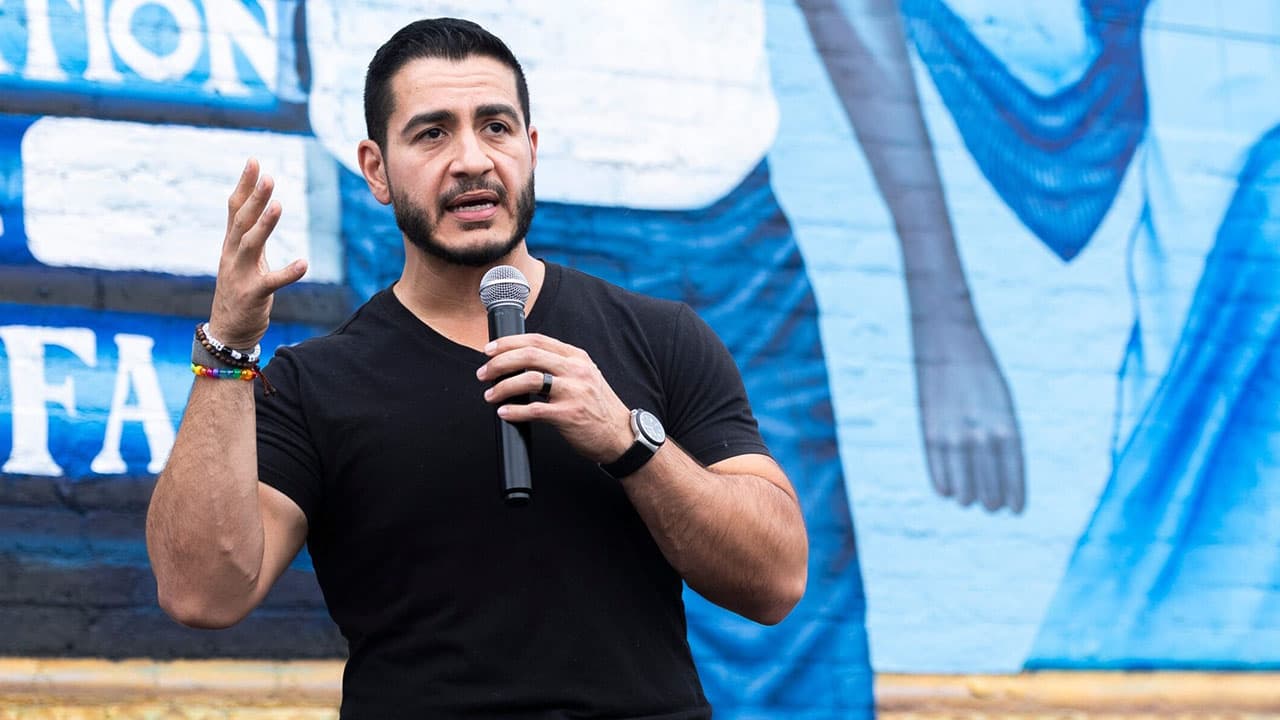
After winning the Democratic nomination for Michigan’s Senate seat, Abdul El-Sayed criticized AIPAC while urging rival Haley Stevens and pro-Israel Democrats to unite behind him. His speech also addressed Jewish safety and Israel, issues that had unsettled some voters.
In his victory speech, El-Sayed praised former rival Mallory McMorrow for challenging AIPAC’s influence, then appealed to Stevens—who had supported him after losing the primary—to join the effort to defeat Republican nominee Mike Rogers. The article says Stevens lost by less than one percentage point and that more than $60 million was spent on her behalf.
The article describes El-Sayed’s effort to reach voters who supported Stevens, including Jews unsettled by his earlier remarks about an attack on a Detroit-area synagogue and his criticism of Israel. In the speech, El-Sayed affirmed his commitment to Jewish safety and discussed self-determination for Palestinians and Jews; he also repeated his pledge to redirect U.S. defense assistance to Israel toward domestic priorities. President Donald Trump criticized El-Sayed in a social media post, which the article notes falsely called him a communist.
Community verdict
17 VOTES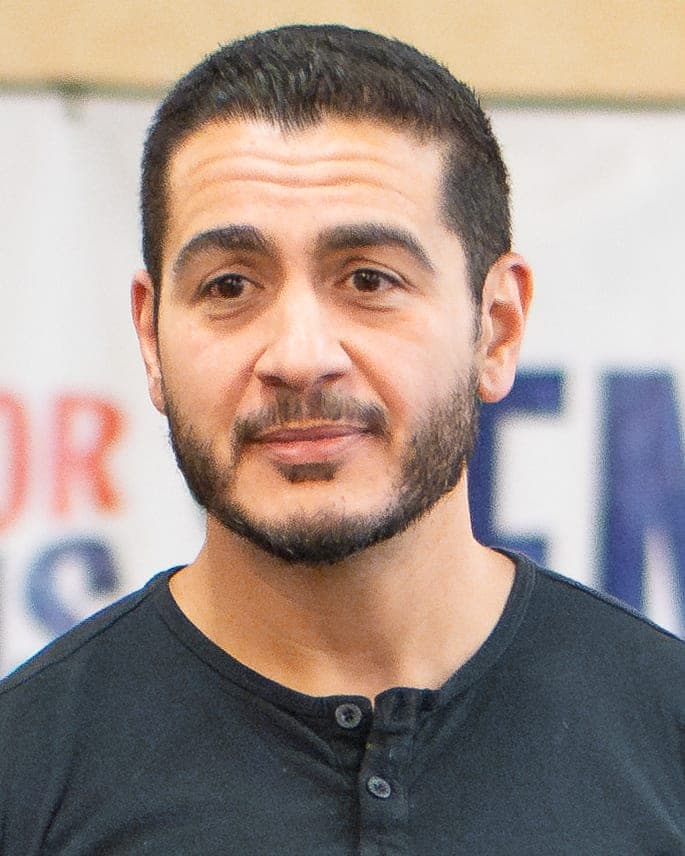
People in this story
SWIPE →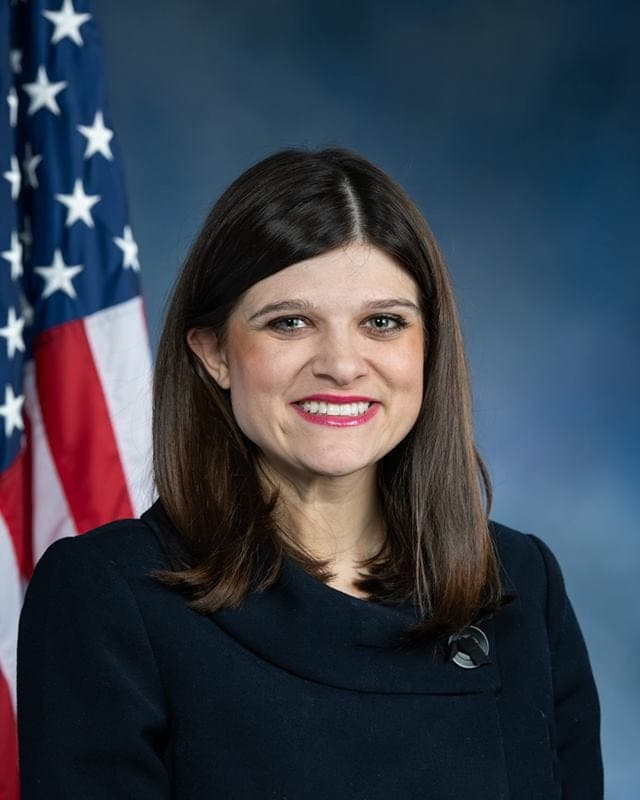
El-Sayed’s former primary opponent and endorser
Former Democratic Senate primary contender
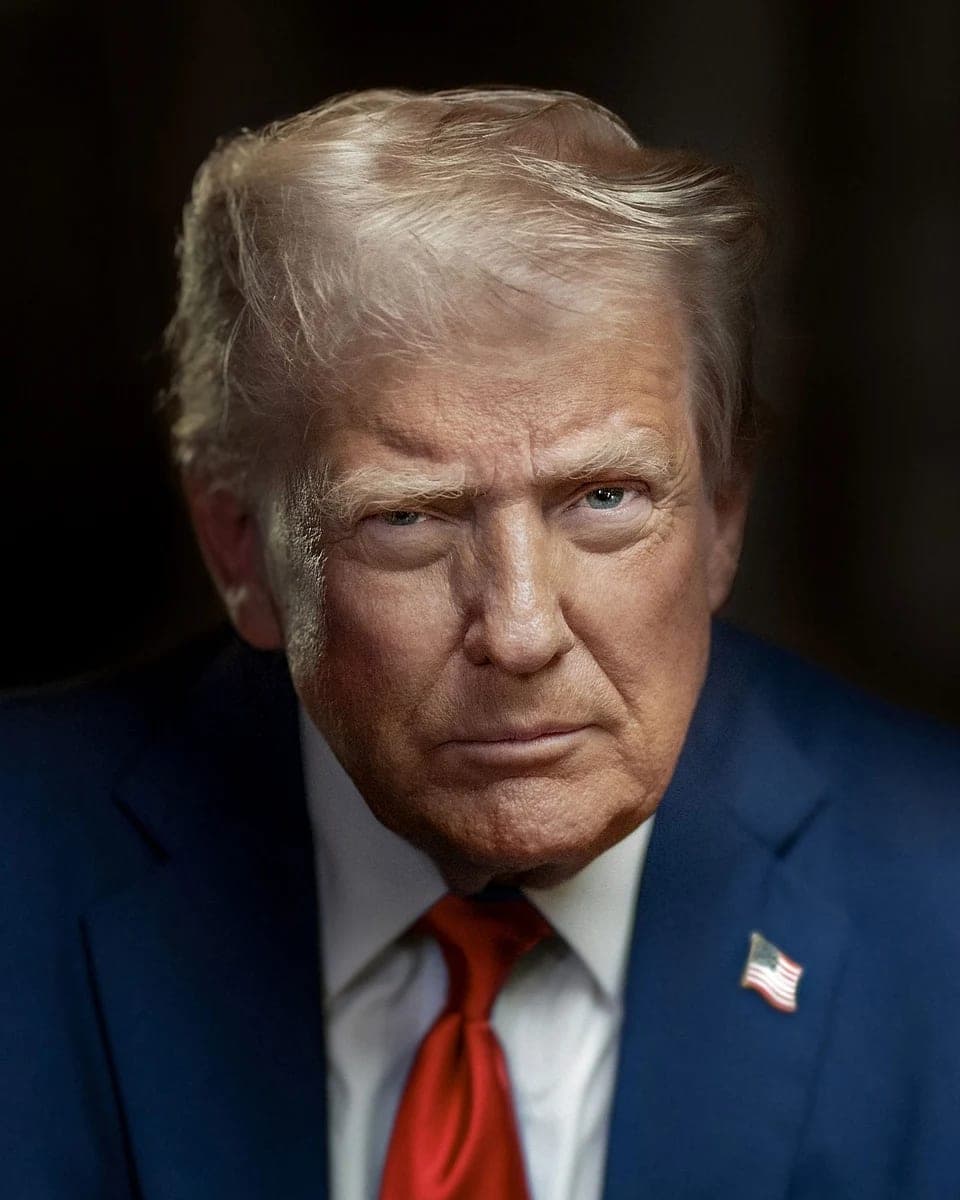
President who criticized El-Sayed on social media
Republican nominee for Michigan’s Senate seat
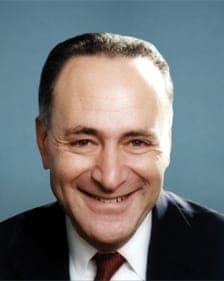
Senate minority leader who endorsed El-Sayed
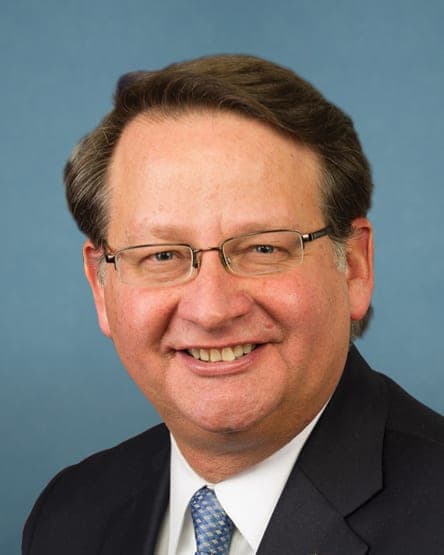
Michigan senator who is retiring
Part of a bigger story
15 OUTLETSAfter winning Michigan’s Democratic Senate primary, Abdul El-Sayed faced questions about his association with Hasan Piker and Piker’s past 9/11 remark. Center outlets emphasize El-Sayed’s rejection of the remark and distinguish his views from Piker’s, with PolitiFact examining Mike Rogers’s claim. Right-leaning outlets frame El-Sayed’s association with Piker and his answers about distancing himself as a political liability, emphasizing criticism from opponents.
- ARTICLES
- 18
- OUTLETS
- 15
- AVG CRED
- 61
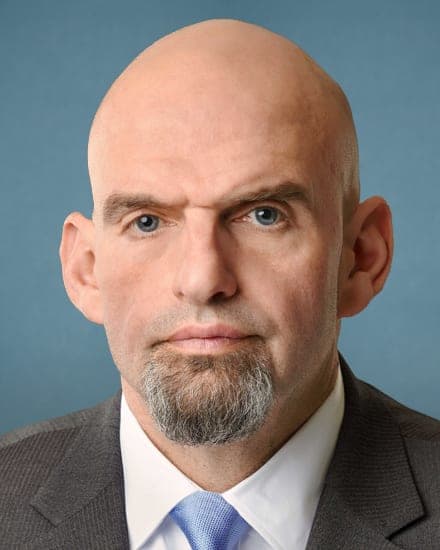
Discussion · 0
Loading comments…