AIPAC millions cause a stir in special election to replace Swalwell
Wahab is running in the special election and has become a focus of debate over AIPAC spending and U.S. policy toward Israel.
SOURCE CHECK
TAP FOR WHYCredibility rates J., which republished this story. The other scores rate the article itself.
J. is a community news outlet, but this article is explicitly a licensed reprint of Haaretz reporting rather than original reporting by J. The named author and stated reprint permission provide some transparency about the article’s origin.
- Source type — A community-focused news publication, though the recorded source type is unclassified.
- Transparency — The article identifies Haaretz as the original publisher and says it was reprinted with permission.
- Author attribution — The article names Arno Rosenfeld and identifies his reporting role.
- Track record — The article provides no information here sufficient to assess the outlet’s correction history or broader reporting record.
The article gives specific spending figures, primary-election results and attributed comments, and it reports that both AIPAC and Hernandez did not respond to requests for comment. Its account includes several perspectives, but the central organizations’ lack of response and limited independent context leave some claims and competing arguments untested.
HOW WE SCORE ↗The article reports the spending, Wahab’s positions, a counter-spending group and an outside characterization of her views. However, AIPAC and Hernandez are not represented with substantive responses, leaving the central dispute weighted toward critics of AIPAC’s intervention.
- Counterarguments presented — AIPAC and Hernandez were asked for comment but did not respond; their substantive case is not otherwise presented.
- Source diversity — The article includes a J Street strategist, a Jewish community relations leader and campaign statements, but few perspectives supporting AIPAC’s role.
- Opinion vs reporting — The article is reported as news and attributes judgments to their speakers.
- Loaded language — Some charged language appears in attributed comments and campaign claims rather than as the reporter’s own assertions.
The article is mostly reportorial, but it gives substantial space to criticism of AIPAC and to Wahab’s account, while AIPAC did not respond and Hernandez is not heard from. The overall tilt is slight rather than pronounced.
- Source selection — The article quotes a pro-Wahab group and a Jewish community leader, while AIPAC and Hernandez did not respond.
- Framing — The story emphasizes the controversy around AIPAC spending and the pressure it creates in the race.
- Language tone — Mostly factual language, with some evaluative descriptions such as calling the race sleepy and the prior primary bruising.
Republished with credit
Republished from Haaretz, with credit to the original publisher.
Not rated.
AIPAC-affiliated groups spent more than $3 million to support Melissa Hernandez over Aisha Wahab in the special election to replace Eric Swalwell, drawing new attention to the race. Wahab was favored after leading the June primary by more than 20 points.
After Rep. Haley Stevens lost Michigan’s Democratic Senate primary, AIPAC and affiliated groups turned to California’s 14th District special election, spending more than $3 million to support Melissa Hernandez over Aisha Wahab. Wahab led Hernandez by more than 20 points in the June primary and was expected to win. J Street said it would spend $100,000 to support Wahab, while another super PAC promoted an attack on AIPAC and its allies. AIPAC and the United Democracy Project did not respond to requests for comment.
Wahab has criticized U.S. military aid to Israel and said she would have supported the Block the Bombs Act, while also describing humanitarian aid as important. She previously joined a letter urging protection for civilians and humanitarian relief, and co-introduced a state resolution calling for a ceasefire, condemning Hamas and demanding the release of Israeli hostages. Her campaign rebutted attack ads and accused Hernandez of denying genocide in Gaza; Hernandez did not respond to a request for comment about AIPAC’s role.
Community verdict
7 VOTES
People in this story
SWIPE →
Michigan representative and Senate primary candidate
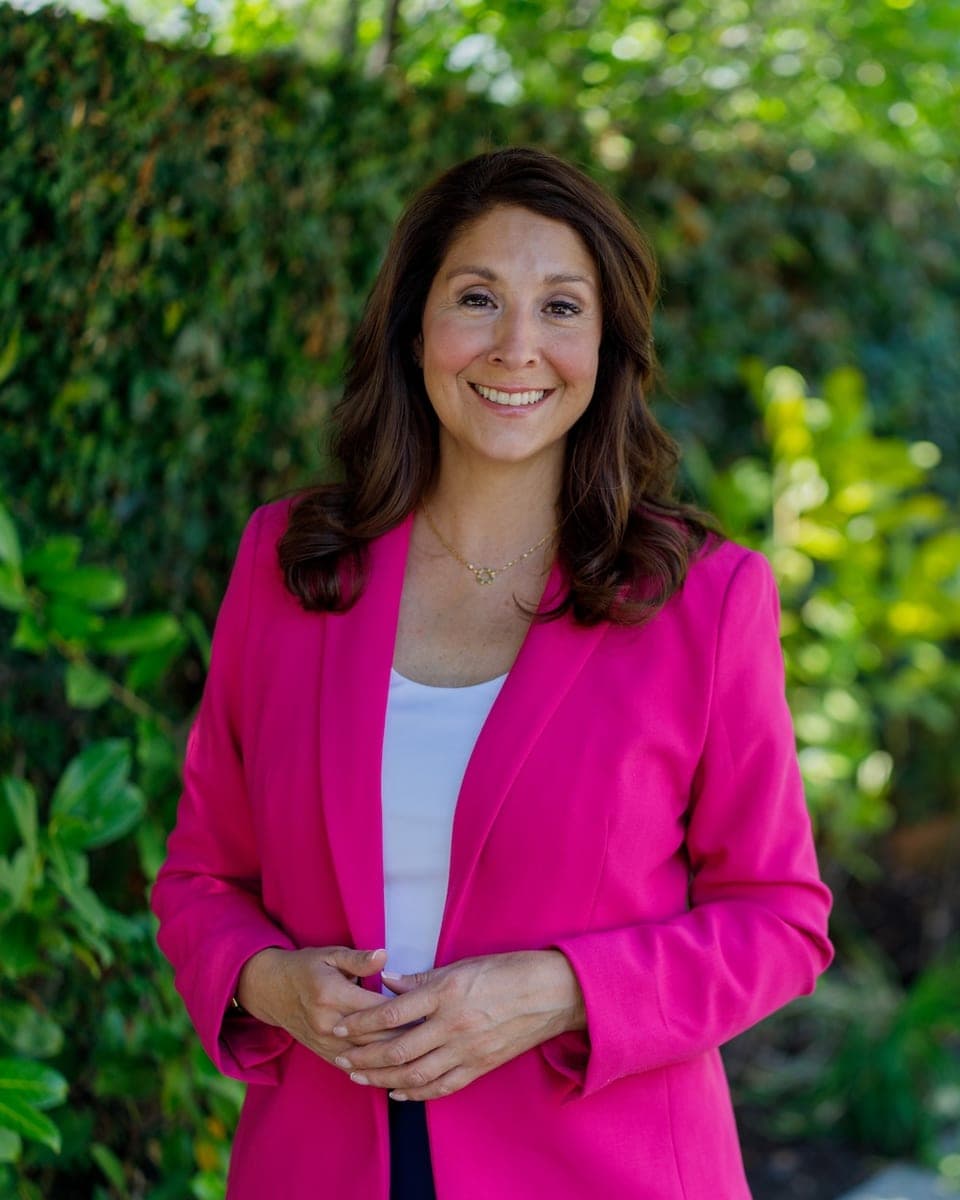
House candidate supported by AIPAC-affiliated spending
President at the time of the letter discussed
Former representative whose seat is being filled in the special election
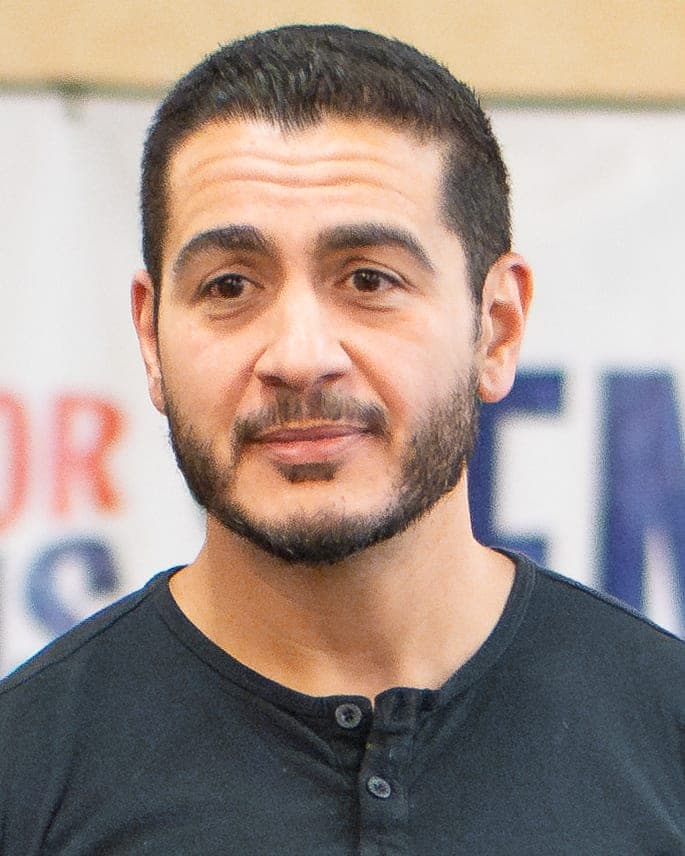
Michigan Senate candidate mentioned in comparison with Wahab

Representative mentioned as a contrast to Wahab
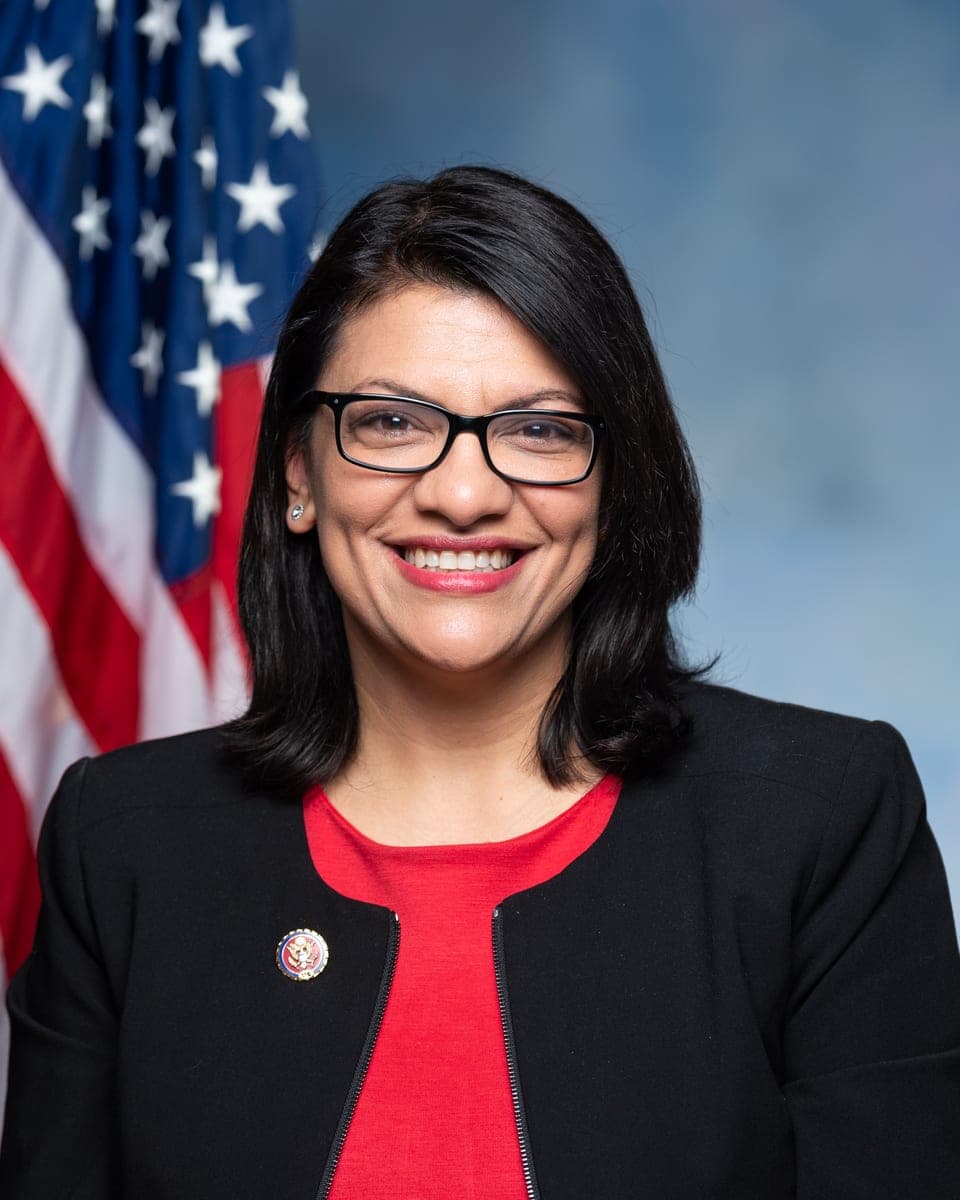
Representative mentioned as a contrast to Wahab
California state senator who co-introduced a resolution with Wahab
Part of a bigger story
3 OUTLETSAisha Wahab was narrowly ahead of Melissa Hernandez in the special election to fill Eric Swalwell’s former House seat. Right-leaning outlets portray the runoff as close, with one emphasizing Israel and AIPAC and another stressing campaign disputes.
- ARTICLES
- 3
- OUTLETS
- 3
- AVG CRED
- 66
Discussion · 0
Loading comments…