Trump Administration's Move to Censor Stephen Colbert Interview With Texas Senate Candidate 'Backfired'
Talarico criticized the reported decision not to air his interview, saying it reflected an effort to control speech.
SOURCE CHECK
TAP FOR WHYInternational Business Times UK publishes a bylined article, but this piece relies heavily on attributed comments and offers limited independent verification of the reported network decision. The publisher merits a moderate score rather than the level associated with major outlets of record.
- Source type — International news outlet; a moderate institutional prior.
- Editorial standards — The page provides little visible detail about reporting methods or corroboration.
- Author attribution — The article names an author.
- Transparency — Several claims are attributed, but the article does not present direct comment from CBS or the administration.
The article includes statements from Colbert, Talarico and FCC Commissioner Anna Gomez, but much of its account of the reaction relies on a TikTok creator. It provides little independent corroboration or response from CBS or the administration.
HOW WE SCORE ↗The article mainly presents criticism of CBS’s decision and the alleged administration pressure. It notes the network’s stated financial rationale, but does not provide a direct account from CBS or the administration to explain or contest the allegations.
- Counterarguments presented — CBS’s reported financial explanation is mentioned, but not expanded or independently examined.
- Source diversity — Several quoted voices criticize the decision; no direct response from the accused parties appears.
- Loaded language — The article uses or foregrounds terms such as censorship and heavy-handed intervention.
- Opinion vs reporting — The piece is presented as reporting, though its framing favors the critics’ interpretation.
The article’s framing emphasizes censorship and presents criticism of the administration and CBS, with little countervailing explanation beyond the network’s stated financial rationale. Its language and source selection lean left.
- Language tone — The opening describes the intervention as heavy-handed and calls the result a firestorm.
- Source selection — The article quotes Colbert, Talarico and Gomez criticizing the decision, with no direct response from CBS or the administration.
- Framing — The headline frames the reported move as censorship that backfired.
- Omission — The article gives little detail to assess the network’s stated financial explanation.
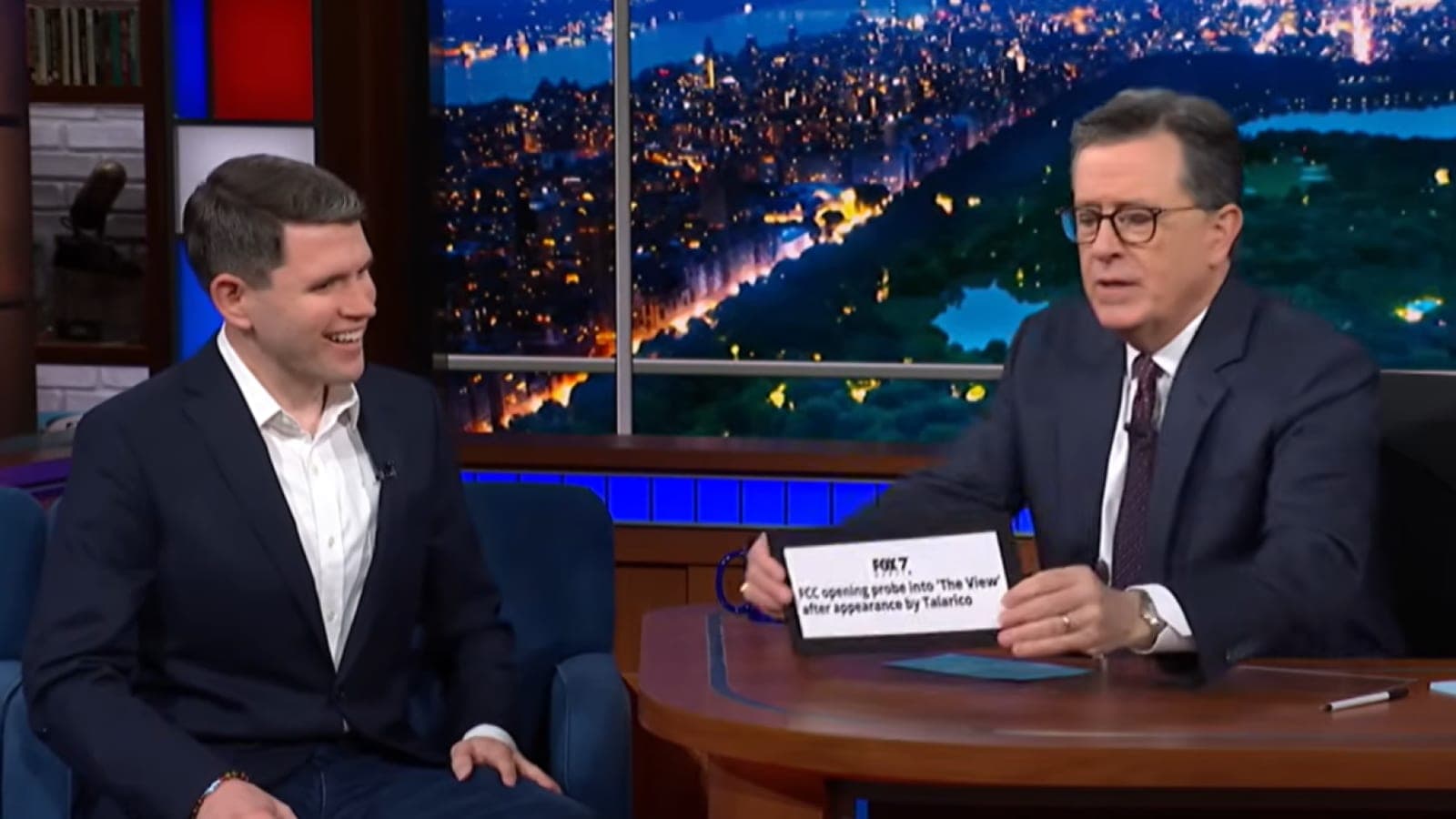
Reports that CBS blocked James Talarico’s interview with Stephen Colbert prompted increased interest in the interview, which Colbert later uploaded to YouTube. Talarico said the episode reflected an effort to control speech and media.
The article reports that CBS did not air Colbert’s interview with Texas Senate candidate James Talarico after the network’s legal counsel warned Colbert. Colbert said the network described the decision as purely financial, then uploaded the interview to the show’s YouTube account. TikTok creator Aaron Parnas said viewership across Colbert’s platforms had surged after news of the decision.
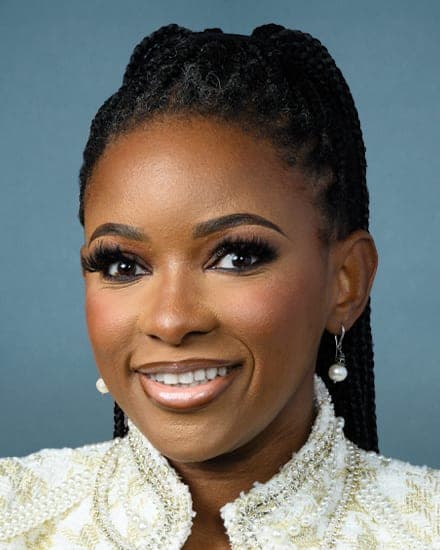
In the interview, Talarico said President Donald Trump was worried about Texas possibly flipping and accused the administration of trying to control what people watch, say and read. FCC Commissioner Anna Gomez criticized CBS’s decision, calling it a troubling corporate capitulation.
Community verdict
3 VOTES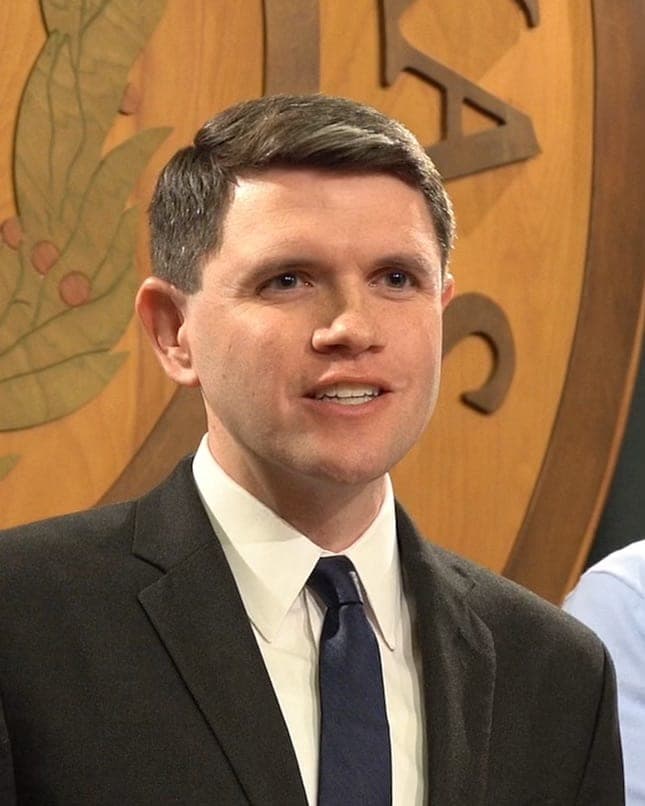
Counts every outlet’s report of this story. See all 66
- Readers of left-leaning coverage: not enough votes yet
- Readers of right-leaning coverage: 0% good look
Votes cast on this page
Votes cast on this page: ▲ 0 · ◆ 0 · ▼ 0
People in this story
SWIPE →
President whose administration is accused of seeking to block the interview
Part of a bigger story
32 OUTLETSStephen Colbert’s interview with Texas Senate candidate James Talarico did not air on CBS television and was later posted online. Coverage centers on CBS’s equal-time guidance and disagreement over whether it barred the broadcast or led the show to choose not to air it. Left-leaning outlets frame the decision as political pressure on speech and note the interview’s online reach and possible campaign benefit. Center outlets focus on competing accounts of CBS’s equal-time guidance, while some track the interview’s reach and fundraising. Right-leaning outlets emphasize CBS’s account of legal guidance and challenge claims that the FCC or Trump stopped the interview.
- ARTICLES
- 66
- OUTLETS
- 32
- AVG CRED
- 64
Discussion · 0
Loading comments…