Bernie Sanders Moves to Ban AI Superintelligence. His New Bill Would Create a Federal Department of AI.
Sanders co-introduced a bill to ban artificial superintelligence and create a federal AI department.

SOURCE CHECK
TAP FOR WHYInternational Business Times is an established news publisher with attributed reporting, though the article gives limited detail about its reporting process and relies partly on statements from supporters. Its institutional credibility is moderate rather than comparable to a major wire service or newspaper of record.
- Source type — An established international news publisher; moderate prior credibility.
- Editorial standards — The article attributes quotations and claims, but the text provides limited visibility into verification practices.
- Author attribution — A named author is credited.
- Transparency — The article identifies sources and the bill's sponsors, but does not link to or quote the bill text in the supplied article.
The article describes the proposal's key provisions and includes attributed remarks from its sponsors and two people working in AI. It also notes political and international competitiveness concerns, but offers no direct response from critics of the bill and little independent assessment of its effects.
HOW WE SCORE ↗The article presents the bill's safety case and mentions political obstacles and competitiveness concerns. However, it does not include a named opponent or a detailed counterargument from someone who objects to the proposal.
- Counterarguments presented — Competitiveness concerns are noted, but no critic of the bill is directly quoted.
- Source diversity — The sponsors and two industry supporters are represented; opposing perspectives are limited.
- Loaded language — Strong phrases appear as quotations or attributed descriptions, not as the article's own judgments.
The article mainly reports the bill's provisions and attributes advocacy to its sponsors and supporters. It notes concerns about competitiveness without adopting an overtly partisan or ideological frame.
- Language tone — Mostly descriptive language, with quoted characterizations attributed to Sanders and the sponsors.
- Source selection — Includes the sponsors and two AI-industry voices supportive of a ban, while describing competitiveness concerns without quoting a critic.
- Framing — Explains both the safety rationale and the concern that slowing development could benefit China.
Bernie Sanders and Greg Casar introduced legislation that would ban artificial superintelligence, pause some advanced AI development and create a federal AI department. The bill faces political hurdles amid concerns that slowing U.S. development could benefit China.
Sanders and Casar introduced the Ban Artificial Superintelligence Act, which would prohibit systems exceeding human cognitive abilities across most domains or posing a threat to humanity. It would also pause certain advanced AI development until a federal regulator establishes rules, and create a cabinet-level Department of Artificial Intelligence with enforcement powers. The proposal includes prison sentences of up to 20 years for attempts to evade its restrictions and penalties for companies described by the sponsors as a “corporate death penalty.”
The sponsors also call for international agreements and export controls. Two people working in AI expressed support for a ban, while the article notes concerns that slowing U.S. development could give China an advantage and says Congress has not agreed on less restrictive federal AI rules. Sanders compared the challenge to Cold War nuclear arms control and argued for international cooperation.
Community verdict
27 VOTES
People in this story
SWIPE →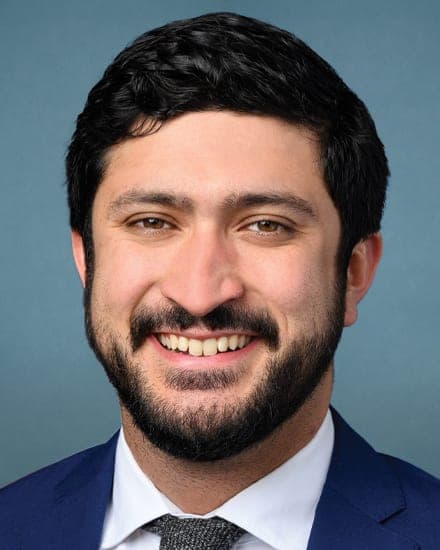
Representative and co-introducer of the AI legislation
Casar's version of this story ↗Part of a bigger story
50 OUTLETSBernie Sanders and Rep. Greg Casar introduced a bill to ban artificial superintelligence, pause advanced AI development until safety rules are set, and establish a federal AI agency. Left-leaning outlets frame the proposal around AI risks and safeguards before further development. Center outlets describe the bill and place it within debates over regulation, political prospects and competing approaches. Right-leaning outlets highlight support for the measure while raising concerns that restrictions could slow U.S. development as China advances.
- ARTICLES
- 52
- OUTLETS
- 50
- AVG CRED
- 77
Discussion · 0
Loading comments…