Ban Artificial Superintelligence Act of 2026
Creates a federal AI department, pauses advanced AI development while safety rules are set, and bans artificial superintelligence.
In the House Oversight and Government Reform Committee since Sept. 24, 2026, 12 days after it was introduced. Most bills never leave committee.
- INTRODUCEDINTROSEP 24, 2026
- COMMITTEECOMM.IN COMMITTEE
- HOUSEHOUSE—
- SENATESENATE—
- LAWLAW—
What the bill would do, and why it matters
The issue is how to govern AI systems that could exceed human abilities or become difficult to control. The bill would create a federal AI department and pause advanced AI development until it sets safety rules. It would ban artificial superintelligence and certain systems that could lead to it, while requiring charters and approvals for advanced AI.
- INTRODUCED ONLY This bill has been introduced and possibly referred to a committee, but it has not passed any vote. Most introduced bills never become law — they die in committee without a hearing.
- DATA NOTE No Congressional Research Service summary was available.
- Create a department and pause advanced AI
The bill would create a Department of Artificial Intelligence, led by a Secretary appointed by the President with Senate approval. Advanced AI systems trained using at least 10^25 integer or floating point operations would face a pause until the department is fully staffed and has issued safety rules; those rules must cover development plans, monitoring, audits, and approval before public release.
- Ban superintelligence and precursor systems
The bill would prohibit developing, deploying, acquiring, possessing, funding, importing, or transferring artificial superintelligence or systems with characteristics that could lead to it. It would also prohibit releasing or transferring systems that could foreseeably be modified to gain those capabilities. The Secretary would order identified precursor systems paused and disconnected from the internet; systems identified as superintelligence must be made inoperative immediately.
- Require charters, monitoring, and approval
People and organizations would need a department-issued charter to develop or distribute an advanced AI model. The department would monitor advanced systems and systems distilled from them, and advanced systems could not be deployed, released, imported, or transferred without pre-deployment approval.
- Set penalties and protect whistleblowers
Reckless violations could bring up to 20 years in prison for covered policymaking individuals or people unaffiliated with a chartered entity; other individuals could be barred from AI industry employment for 10 years. The department would revoke charters for violations, and intellectual property and assets could be forfeited in specified circumstances. Employers could not retaliate against people for reporting violations or assisting investigations.
- Coordinate internationally against superintelligence
The bill would direct the Secretary of Artificial Intelligence and the Secretary of State to pursue international agreements and coordination to prevent artificial superintelligence. It would also bar federal funding for activities that violate the bill, with an exception for certain defensive cybersecurity research.
The bill cites warnings from AI researchers and industry leaders about possible loss of control over advanced systems, catastrophic harm, and misuse of AI to help create biological threats. It frames a pause, safety rules, and a ban as ways to address those risks.
The bill would place substantial federal oversight over advanced AI development and seek to prevent artificial superintelligence globally. Its approach would affect both the development of advanced systems and what happens when regulators identify dangerous capabilities.
Written from the bill text.
The path it took, step by step
- IntroducedSEP 24, 2026HOUSESEP 24, 2026By Rep. Casar with 9 original cosponsorsReferred to Oversight and Government Reform
- SAME DAYNOWHouse committeeSEP 24, 2026OVERSIGHT & GOVERNMENT REFORM NOWSEP 24, 2026In committee for 12 daysNo hearing yet
- 12 DAYS SO FARPassed the House—HOUSE FLOOR—Not scheduled
- Senate committee—SENATE—
- Passed the Senate—SENATE FLOOR—Not scheduled
- Resolve differencesONLY IF NEEDEDBOTH CHAMBERSONLY IF NEEDEDSkipped if the other chamber passes the same text
- Signed into law—PRESIDENT—10 days to sign or veto
- SEP 242026SEP 24, 2026REFERREDHOUSEReferred to the House Committee on Oversight and Government Reform.
- SEP 242026SEP 24, 2026INTRODUCEDHOUSEIntroduced in House
At day 12, this bill is already older than 3% of the laws passed this Congress were when they were signed.
Where your members stand on it
A coalition from 9 states
Plus the sponsor, a Democrat. Every cosponsor is from one party.
Plus the sponsor, a Democrat. Every cosponsor is from one party.
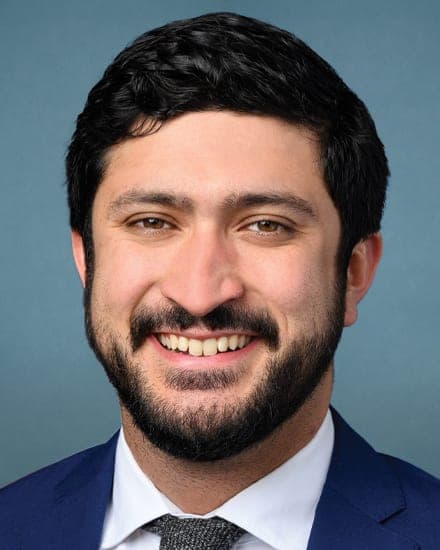
Rep. Casar’s record: sponsored 10 bills this Congress. 0 passed the House; 0 became law.
- Yassamin AnsariD-AZ-3ORIGINAL
- Christopher R. DeluzioD-PA-17ORIGINAL
- Chuy GarcíaD-IL-4ORIGINAL
- Adelita S. GrijalvaD-AZ-7ORIGINAL
- Val T. HoyleD-OR-4ORIGINAL
- Ro KhannaD-CA-17ORIGINAL
- Stephen F. LynchD-MA-8ORIGINAL
- Analilia MejiaD-NJ-11ORIGINAL
- Nydia M. VelázquezD-NY-7ORIGINAL
- Alexandria Ocasio-CortezD-NY-14SEP 28, 2026
- Emily RandallD-WA-6OCT 1, 2026
Coverage at a glance
Outlets that covered this bill, by their lean.
What readers think
Discussion
Get an alert when it changes stage, gets a floor vote in the House, or is signed into law.