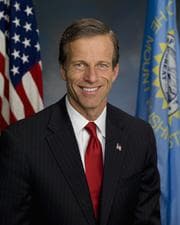
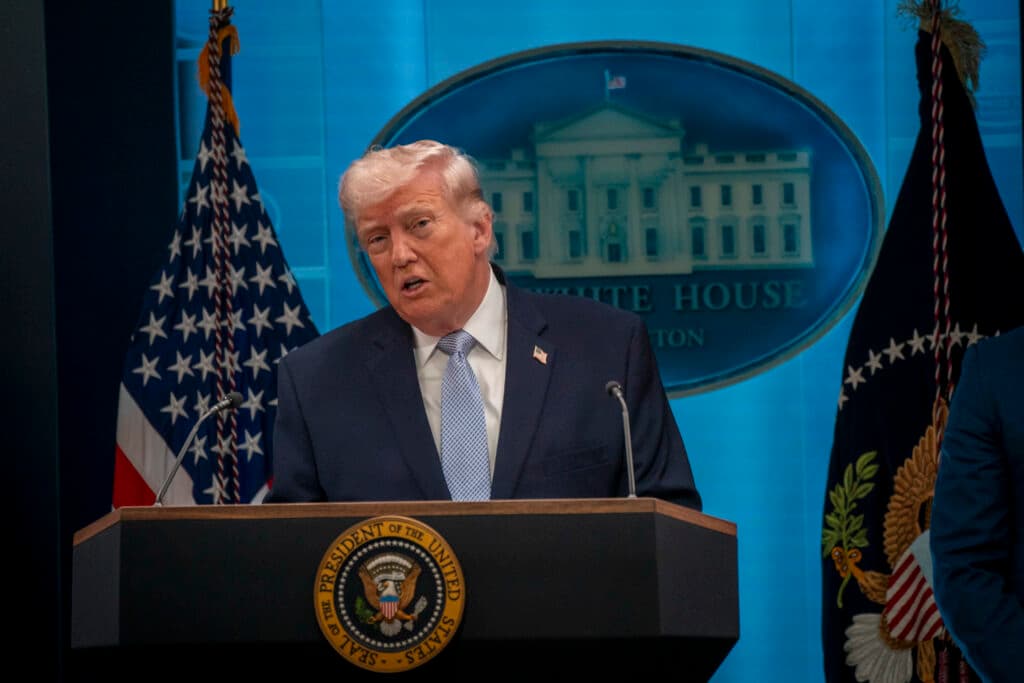
War powers vote will test Senate’s support for Trump’s war with Iran
Majority Leader Thune expressed support for the administration but called for a clear plan to end the conflict.
Search people, articles, bills, and more
Majority Leader Thune expressed support for the administration but called for a clear plan to end the conflict.
Republished from The New York Times. The relationship between the two publishers has not been determined.
31 stories · 94–95 · updated Sep 25, 2026
This is The New York Times's own score, and this article is credited to The New York Times. The host score in the Source Check is DNYUZ's.
The Senate is voting on a resolution to block President Trump from further military strikes in Iran as a 60-day legal deadline under the War Powers Act approaches. The vote tests GOP unity and constitutional authority over an increasingly unpopular conflict.
critic of the War Powers Resolution

proponent of congressional authorization

Democratic opponent of the resolution

Republican seeking deadline compliance

proponent of ceasefire resolution

Independent critic of the House resolution
critic of unauthorized war funding
critic of executive overreach

proponent of regime change

Republican supporter of the resolution
Senate Majority Leader John Thune led the defeat of a resolution to curb military action in Iran, a move CBS News characterized as a defense of executive flexibility. While right-leaning outlets like the Conservative Institute highlight Thune’s plan to use future war funding as leverage, left-leaning Alternet frames his defense of the administration's rhetoric as damage control for the president.
 Chuck Schumer
Loading comments…
proponent of ceasefire resolution
Independent critic of the House resolution
critic of unauthorized war funding
critic of executive overreach
proponent of regime change
Republican supporter of the resolution