What Would a U.S. Win in Iran Look Like? We Asked Two Dozen Members of Congress
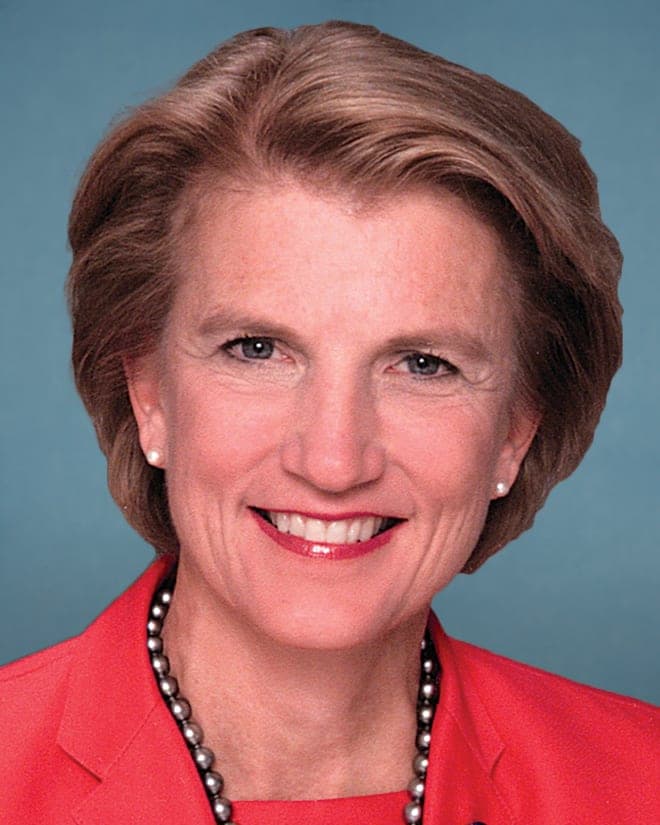
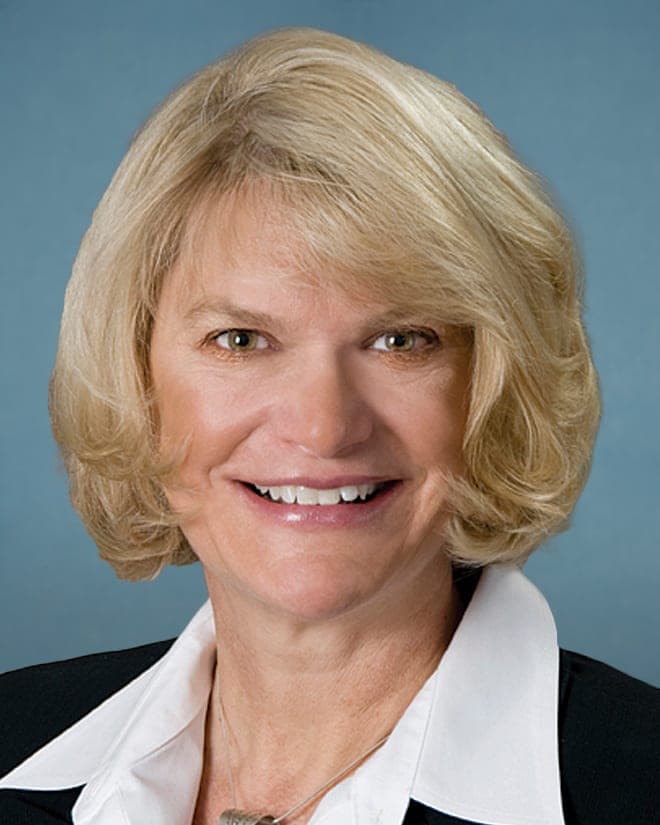
Shelley Moore Capito said victory would require a negotiated settlement as well as limiting Iran’s nuclear and missile capabilities.
Search people, articles, bills, and more
Shelley Moore Capito said victory would require a negotiated settlement as well as limiting Iran’s nuclear and missile capabilities.
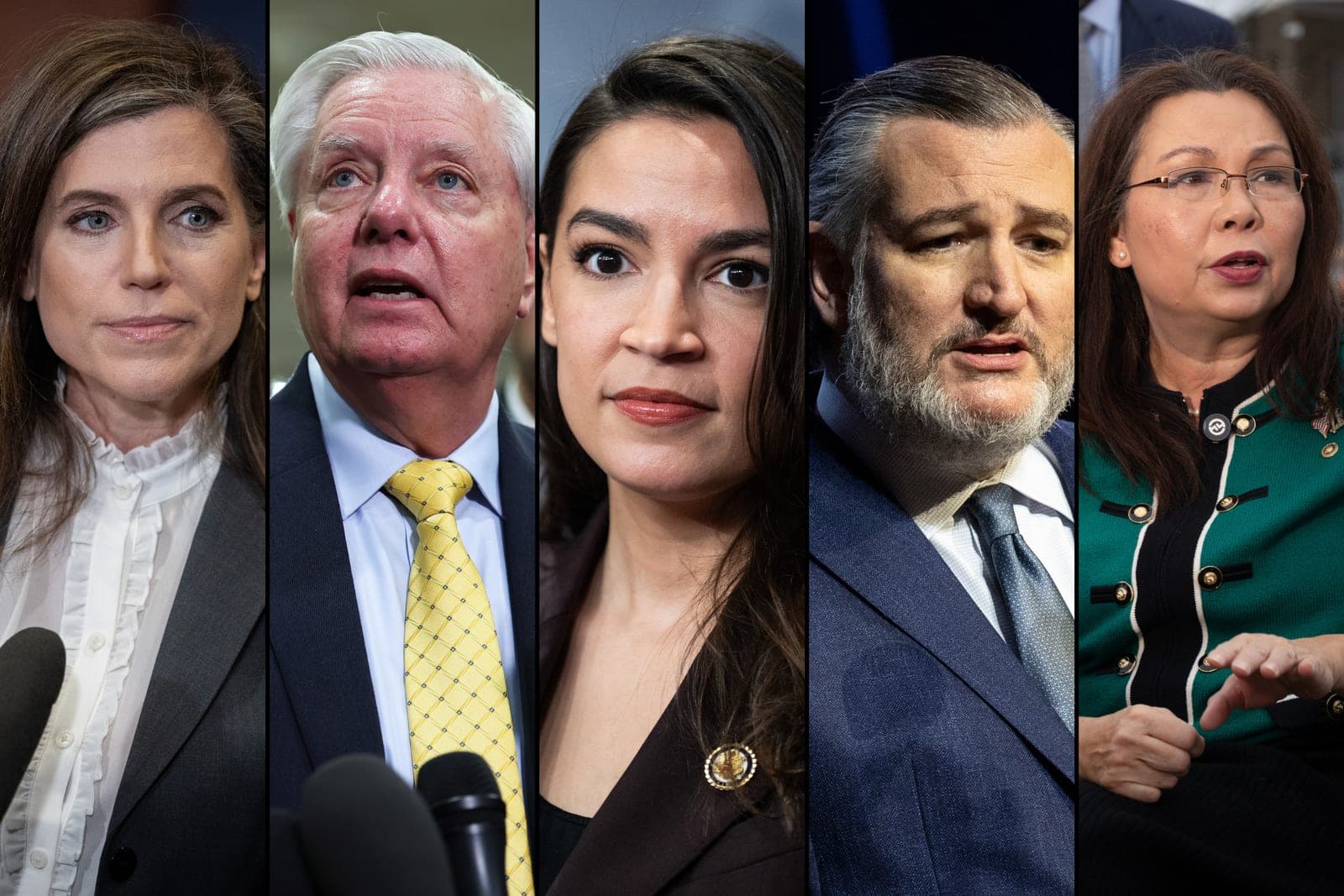
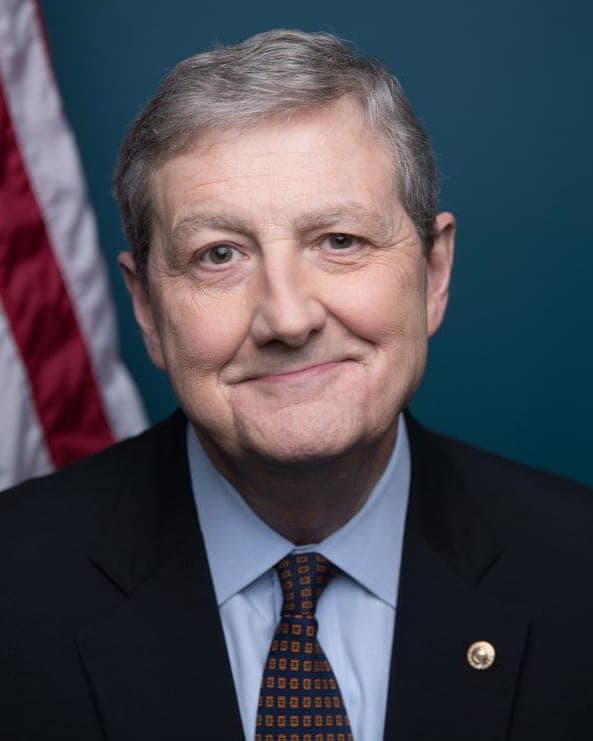
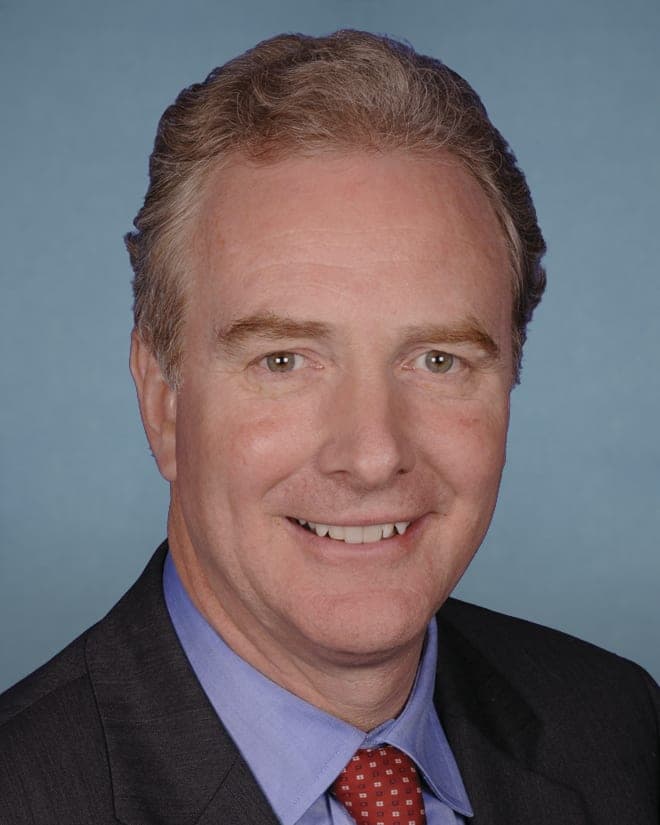
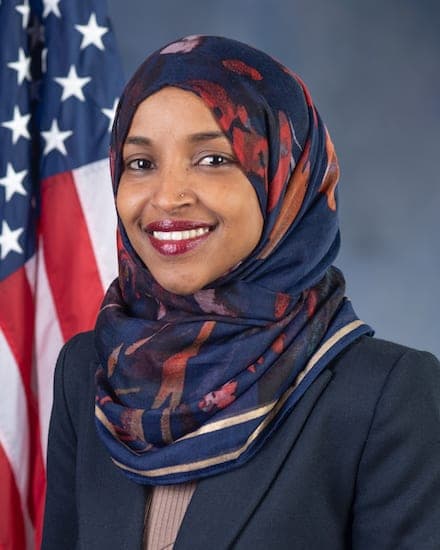
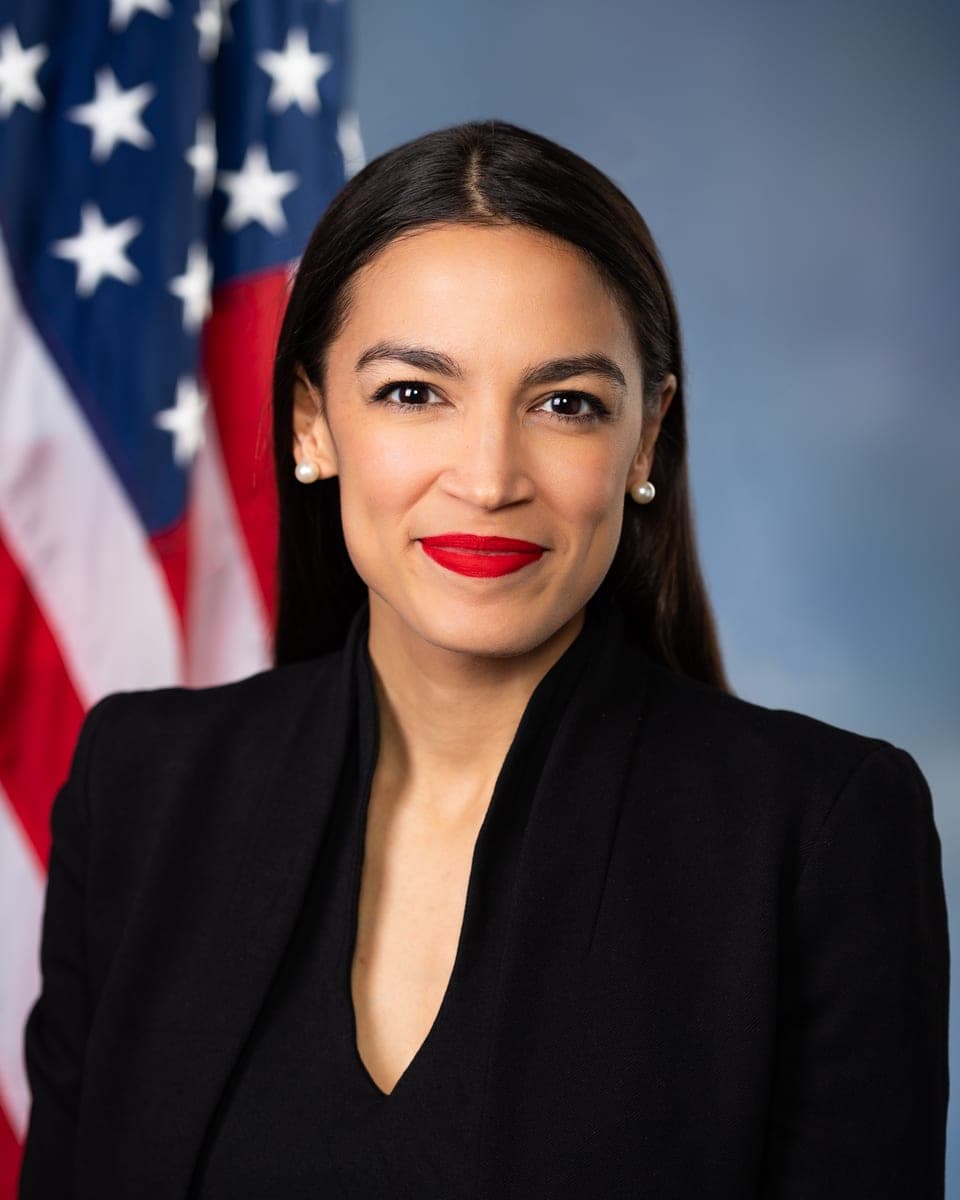
TIME asked more than two dozen members of Congress what a U.S. victory in the Iran war would mean. Their answers showed sharp disagreements over the war’s goals, from regime change and military objectives to ending the conflict and its costs.
Senator describing a negotiated settlement and limits on Iran’s capabilities
Representative who described peace in the Middle East as a successful outcome.
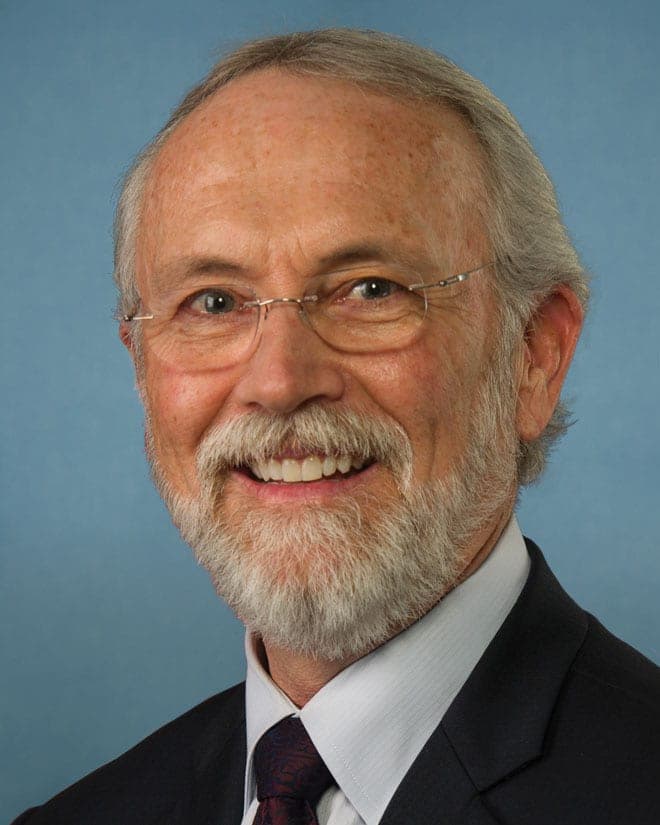
Newhouse's version of this story ↗Representative who said he would focus on the financial cost of the war.
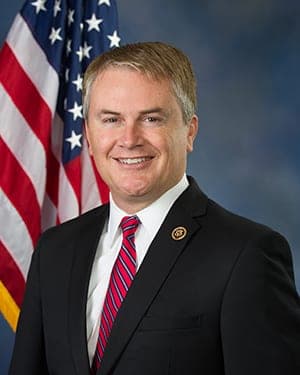
Comer's version of this story ↗Representative who defined winning as bringing troops home and stopping war spending.
Walkinshaw's version of this story ↗Senator who described regime change and democracy as the desired outcome.
Tuberville's version of this story ↗Representative who said victory meant having an exit strategy and leaving the conflict.
Mace's version of this story ↗Senator who said there was no real victory in the war and criticized the lack of public approval.
Kim's version of this story ↗Representative who described regime change and Iranian self-determination as goals.
Ogles's version of this story ↗Representative who described incapacitating Iran’s leadership and opening the Strait of Hormuz as goals.
LaLota's version of this story ↗Senator who cited nuclear and ballistic-missile objectives.
Schmitt's version of this story ↗Senator who questioned why the United States was at war and criticized the lack of an end state.
Duckworth's version of this story ↗Senator who said the Strait of Hormuz must reopen before the war can be called won.
Hirono's version of this story ↗Senator who declined to comment on the question.
Kennedy's version of this story ↗Senator who criticized the Administration for lacking an end game.
Van Hollen's version of this story ↗Representative who called for an end to the killing and said she considered the conflict unjust and illegal.
Omar's version of this story ↗Representative who said she did not believe victory was possible in an ill-conceived conflict.
Ocasio-Cortez's version of this story ↗Representative who criticized the Administration’s conduct and outlined human-rights and security goals for Iran.
McBride's version of this story ↗Senator who criticized the war and its consequences for the public.
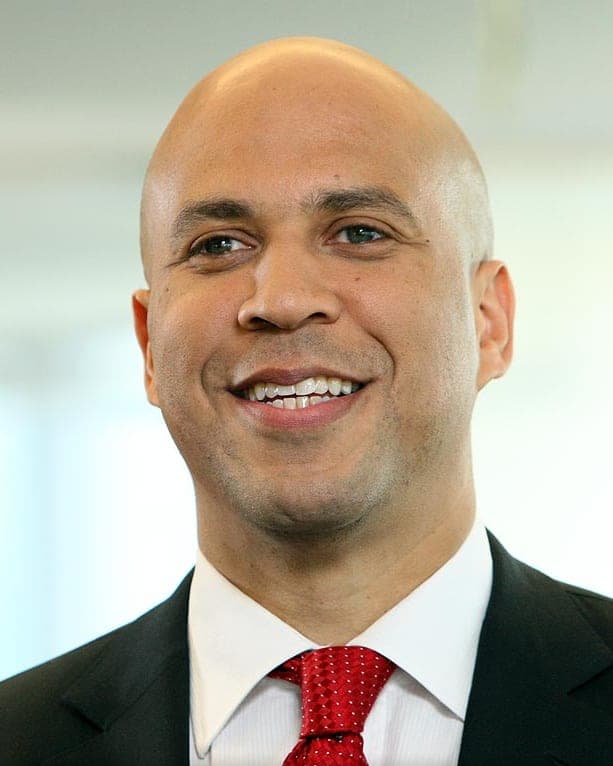
Booker's version of this story ↗Senator who said victory requires the collapse of Iran’s ruling regime.
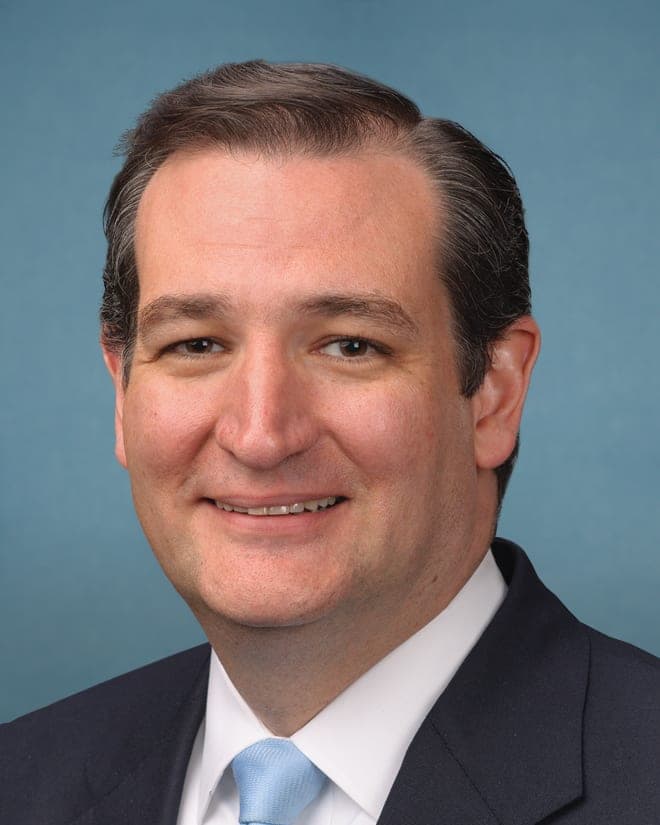
Cruz's version of this story ↗Senator who criticized the Administration for starting a conflict without a strategic goal or exit plan.
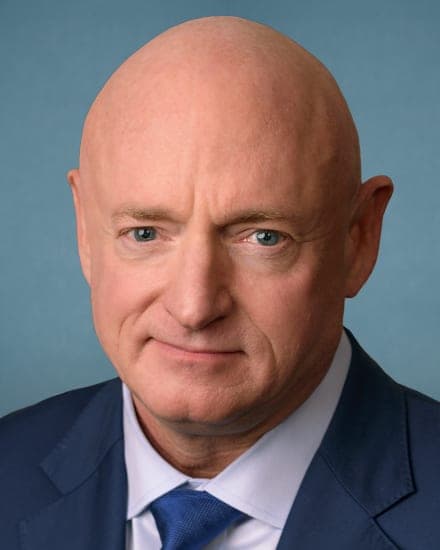
Kelly's version of this story ↗Senator who defined victory as preventing Iran from obtaining nuclear weapons and relevant delivery capabilities.
Lummis's version of this story ↗Representative who described countering Iranian threats and allowing Iranian self-determination.
Van Orden's version of this story ↗Senator who said discussing the question would take more time than he had.
Wicker's version of this story ↗Senator who said he had nothing to add at the time.
Paul's version of this story ↗Representative who expressed concern about the consequences of a potential postwar deal for Iranians.
Ansari's version of this story ↗Senator who declined to comment on what victory in the war would mean.
Boozman's version of this story ↗Representative questioning the administration’s stated objectives
Raskin's version of this story ↗Senator who described military and strategic conditions he considers victory.
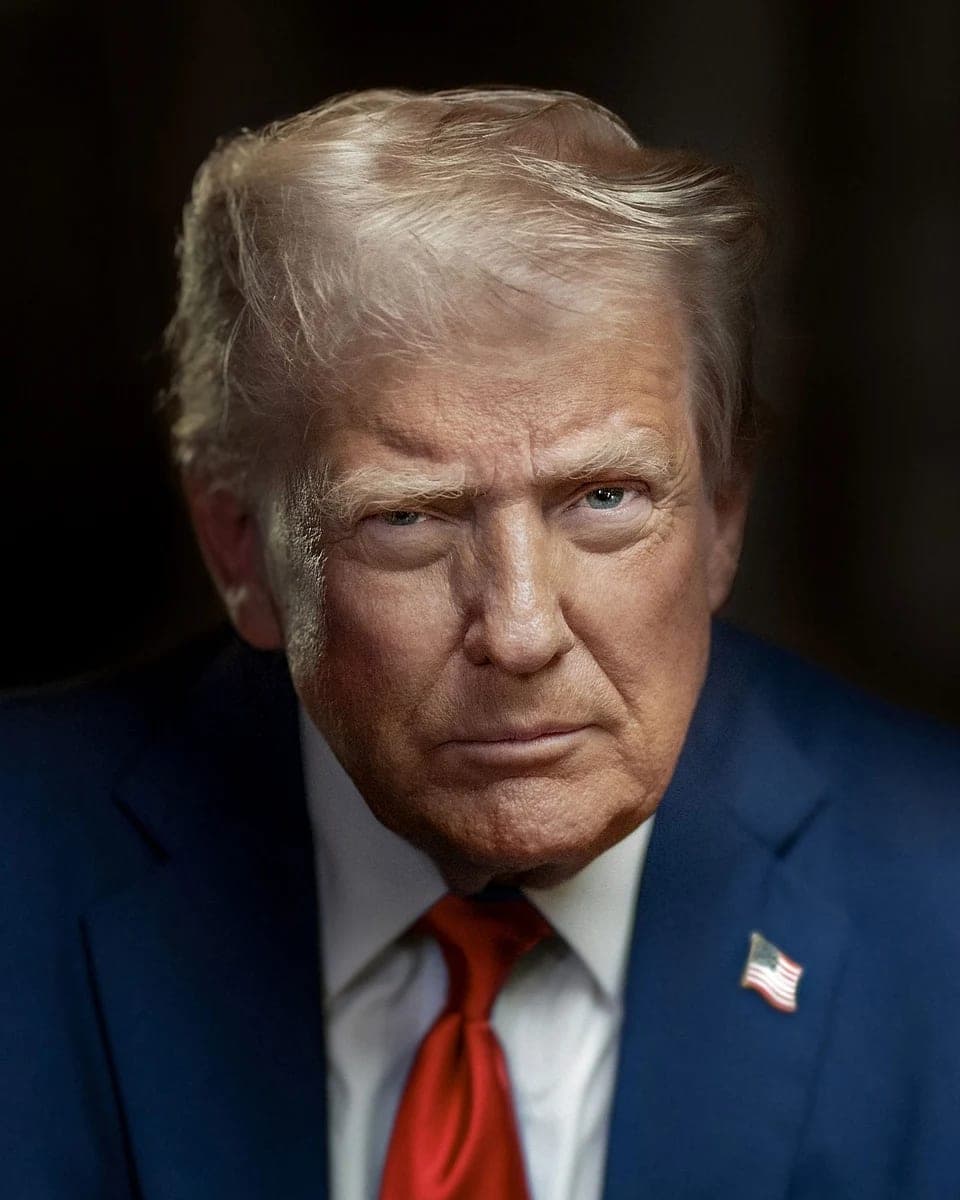
President whose statements and administration’s war objectives frame the lawmakers’ debate
Administration official criticized in Tammy Duckworth’s remarks
Loading comments…
Representative who described regime change and Iranian self-determination as goals.
Ogles's version of this story ↗Representative who described incapacitating Iran’s leadership and opening the Strait of Hormuz as goals.
LaLota's version of this story ↗Senator who cited nuclear and ballistic-missile objectives.
Schmitt's version of this story ↗Senator who questioned why the United States was at war and criticized the lack of an end state.
Duckworth's version of this story ↗Senator who said the Strait of Hormuz must reopen before the war can be called won.
Hirono's version of this story ↗Senator who declined to comment on the question.
Kennedy's version of this story ↗Senator who criticized the Administration for lacking an end game.
Van Hollen's version of this story ↗Representative who called for an end to the killing and said she considered the conflict unjust and illegal.
Omar's version of this story ↗Representative who said she did not believe victory was possible in an ill-conceived conflict.
Ocasio-Cortez's version of this story ↗Representative who criticized the Administration’s conduct and outlined human-rights and security goals for Iran.
McBride's version of this story ↗Senator who criticized the war and its consequences for the public.
Booker's version of this story ↗Senator who said victory requires the collapse of Iran’s ruling regime.
Cruz's version of this story ↗Senator who criticized the Administration for starting a conflict without a strategic goal or exit plan.
Kelly's version of this story ↗Senator who defined victory as preventing Iran from obtaining nuclear weapons and relevant delivery capabilities.
Lummis's version of this story ↗Representative who described countering Iranian threats and allowing Iranian self-determination.
Van Orden's version of this story ↗Senator who said discussing the question would take more time than he had.
Wicker's version of this story ↗Senator who said he had nothing to add at the time.
Paul's version of this story ↗Representative who expressed concern about the consequences of a potential postwar deal for Iranians.
Ansari's version of this story ↗Senator who declined to comment on what victory in the war would mean.
Boozman's version of this story ↗Representative questioning the administration’s stated objectives
Raskin's version of this story ↗Senator who described military and strategic conditions he considers victory.
President whose statements and administration’s war objectives frame the lawmakers’ debate
Administration official criticized in Tammy Duckworth’s remarks