Susan Collins' Boast About Her Biggest Success Backfires Immediately
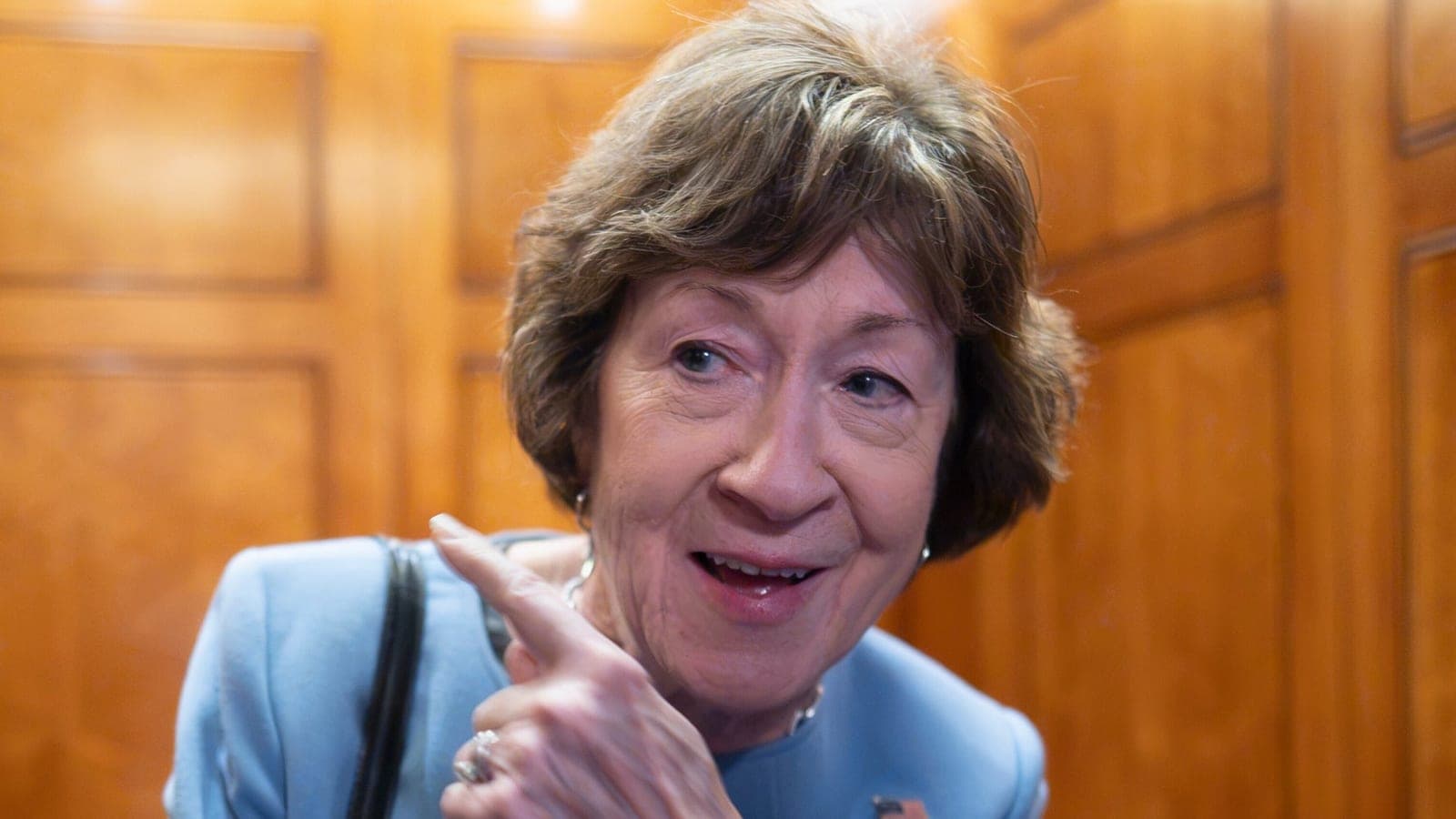
Jackson argued that Collins’s tariff relief was too limited and said she should do more to challenge Trump.
SOURCE CHECK
TAP FOR WHYHuffPost is an established national outlet with an identifiable author, though this short report relies heavily on a debate exchange and offers limited independent verification or broader sourcing.
- Source type — Established national news publisher; a strong but not top-tier institutional prior.
- Transparency — The story identifies the debate and presents direct quotations, but gives little reporting detail beyond the exchange.
- Author attribution — The article identifies an author.
- Editorial standards — A recognizable newsroom, though this brief item provides limited evidence of its sourcing and verification process.
The report gives direct quotations from both Senate candidates and a polling summary, but provides little context or independent corroboration, and does not include a substantive response from Collins to Jackson’s criticism.
HOW WE SCORE ↗Both candidates’ statements are quoted, but the framing foregrounds Collins’s boast as a backfire and develops Jackson’s criticism without a direct response from Collins to it.
- Source diversity — The article presents remarks from both candidates in the debate.
- Counterarguments presented — Collins’s claimed accomplishment appears, but she is not quoted answering Jackson’s broader criticism.
- Loaded language — The headline’s “backfires” frames the exchange negatively for Collins.
- Omitted context — Limited context is provided about tariff policy or the candidates’ wider records.
The headline characterizes Collins’s boast as backfiring, and the article’s framing gives Jackson’s criticism the stronger concluding emphasis. The piece nevertheless includes both candidates’ words.
- Headline — Calls Collins’s boast a backfire before the reader encounters the exchange.
- Framing — Emphasizes the shortcomings Jackson attributes to Collins after presenting her claimed accomplishment.
- Language tone — The headline’s wording is pointed, while the body mostly uses attributed quotations.
In a Maine Senate debate, Susan Collins touted securing tariff exemptions for road salt and other goods, while Troy Jackson argued she had not done enough to oppose President Trump’s tariffs. The article says polls showed a close race, with Jackson holding a slight lead in most.
Collins said she had persuaded President Donald Trump to remove tariffs on concrete, pulp and road salt, and said a Maine town would otherwise have paid $10,000 more for road salt. Jackson replied that the relief covered too little, criticized Collins for not using her position as Senate Appropriations Committee chair to push back against Trump, and argued that Congress is responsible for tariffs. He also connected the tariff debate to the Iran war’s potential effect on people’s ability to drive.
The article describes Maine as one of several states Democrats hope to flip to regain Senate control in the following month’s midterm elections. It reports that polls showed a tight race, with Jackson maintaining a slight lead in most.
Community verdict
4 VOTES
Counts every outlet’s report of this story. See all 10
- Readers of left-leaning coverage: 50% good look
- Readers of right-leaning coverage: not enough votes yet
Votes cast on this page
Votes cast on this page: ▲ 0 · ◆ 0 · ▼ 0
People in this story
SWIPE →Democratic Senate candidate who criticized Collins’s response to tariffs
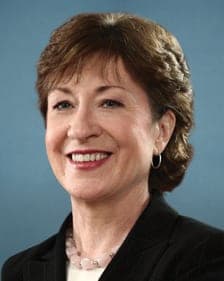
Maine senator and candidate who defended her work to secure tariff exemptions
Collins's version of this story ↗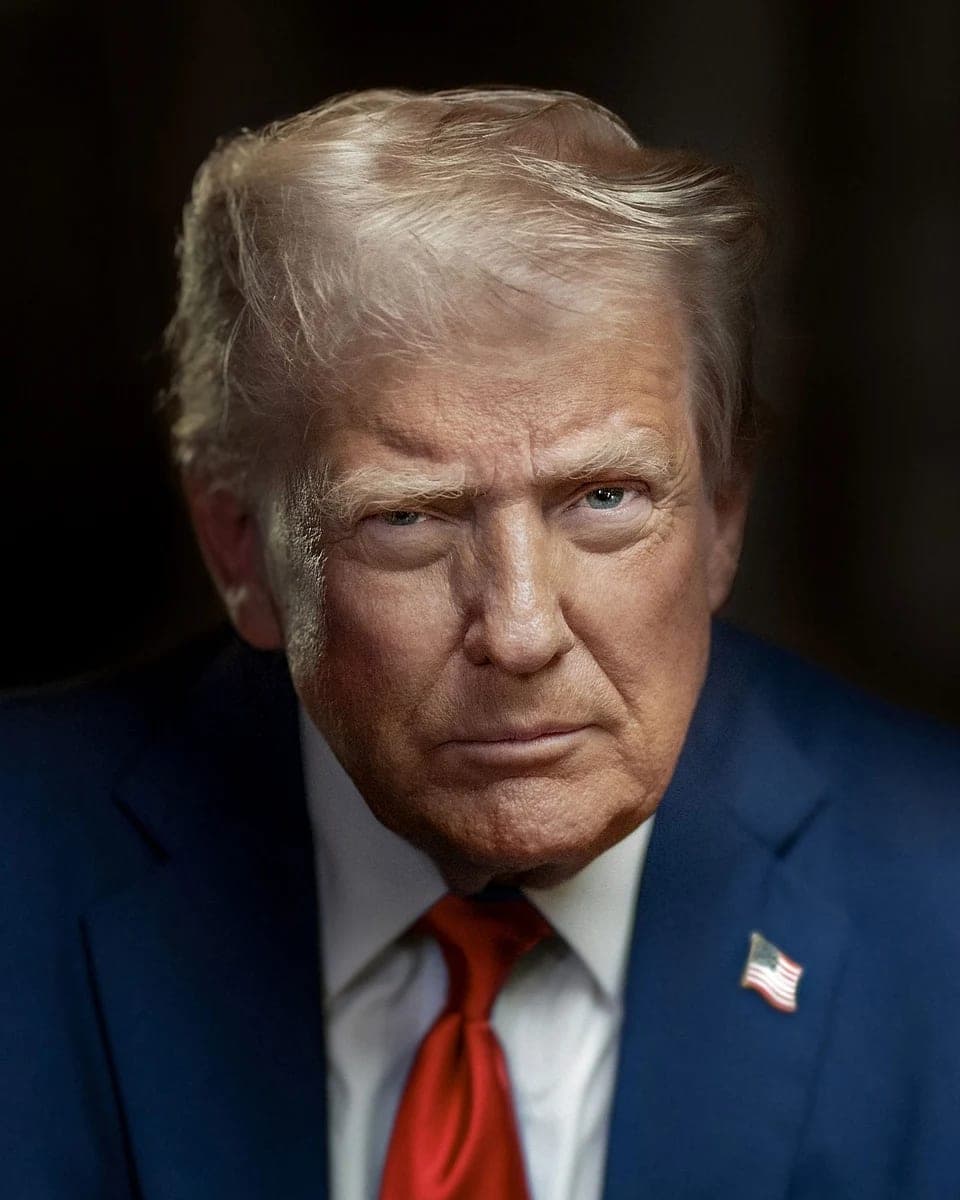
President whose tariffs and administration were discussed by the candidates
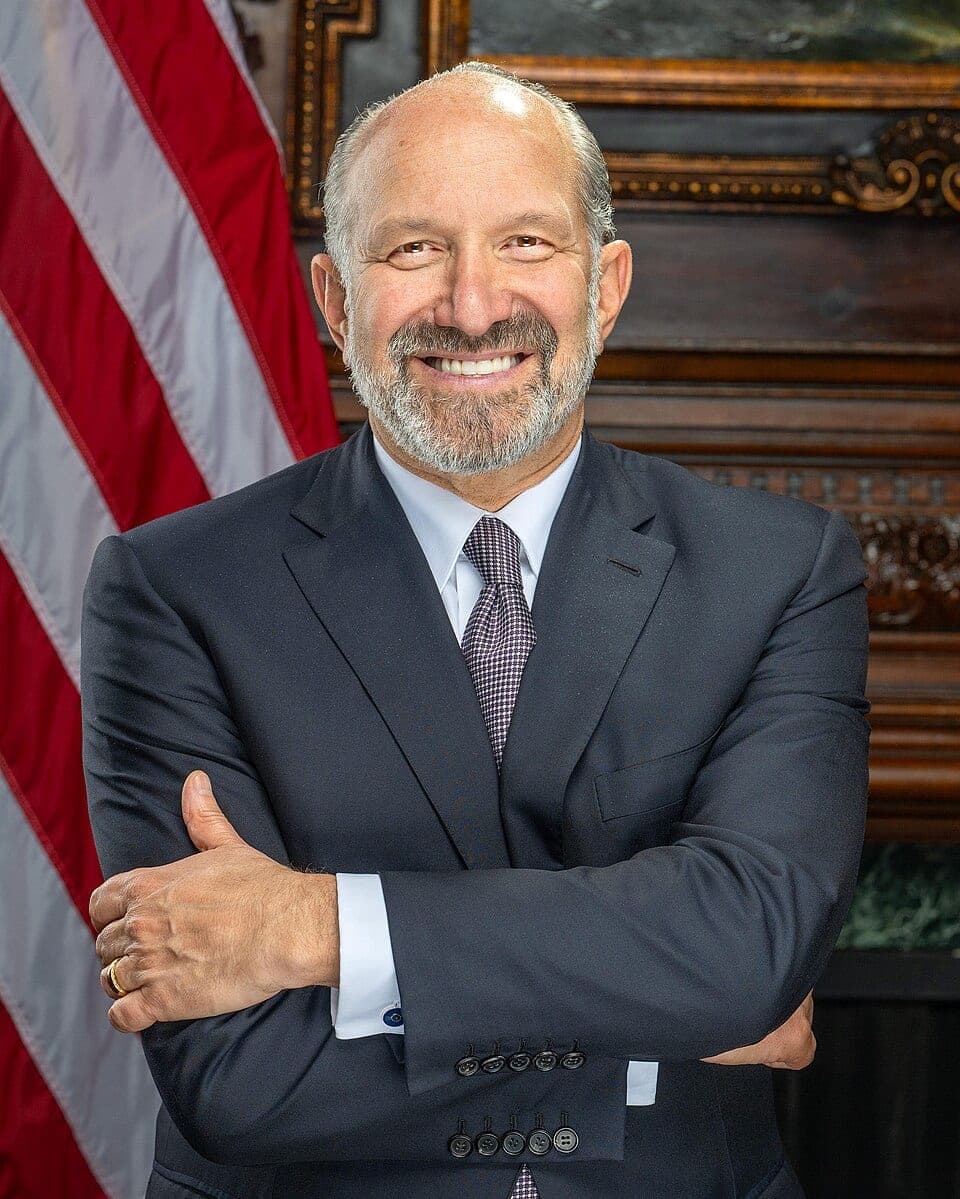
Commerce secretary whose confirmation vote Jackson cited
Part of a bigger story
8 OUTLETSAt a Maine Senate debate, Susan Collins touted tariff exemptions for road salt, and Troy Jackson argued they did not address broader costs to Mainers. Left-leaning outlets frame Collins’s road-salt boast as a debate misstep, highlighting Jackson’s rebuttal and commentators’ reactions. Center outlets present the exchange as a disagreement over the wider costs of tariffs.
- ARTICLES
- 10
- OUTLETS
- 8
- AVG CRED
- 74
Discussion · 0
Loading comments…