Republican voter ID bill stalls in Senate despite Trump demands
Trump demanded passage of the bill and publicly urged Thune to move it forward.
SOURCE CHECK
TAP FOR WHYCredibility rates Hartford Courant, which republished this story. The other scores rate the article itself.
The Hartford Courant is an established regional newspaper, and this story is credited to The Associated Press, a major wire service. The clear byline and credited AP contributors support strong reporting transparency.
- Source type — Established regional newspaper publishing a report credited to The Associated Press.
- Author attribution — The report names its AP author and credits two additional AP writers.
- Editorial standards — The institutional publisher and wire-service attribution indicate professional newsroom practices.
The article explains the Senate procedural dispute and the bill’s requirements, and presents arguments from supporters, opponents, election officials and experts. It offers useful context about existing citizenship rules and voting documentation, though some experts and officials are not named individually.
HOW WE SCORE ↗The article describes Republican arguments for the bill and the procedural effort, as well as Democratic, election-official and expert concerns. It gives substantial attention to possible burdens and privacy issues, but also explains proponents’ stated rationale.
- Counterarguments presented — Reports proponents’ fraud-prevention rationale alongside concerns about access, confusion and privacy.
- Source diversity — Includes statements from senators across the Republican caucus, Democrats’ position and expert concerns.
- Omitted context — Provides relevant context on existing citizenship requirements and documentation availability.
- Loaded language — Most charged claims are quoted and attributed rather than adopted by the article.
The report uses straightforward language, attributes political claims, and describes both arguments for the bill and concerns about its effects. Its treatment of the dispute does not show a discernible partisan lean.
- Language tone — Primarily descriptive language, with claims attributed to their speakers.
- Source selection — Includes Republican supporters and critics as well as Democratic and expert concerns.
- Framing — Focuses on Senate disagreement and the bill’s potential effects rather than endorsing a side.
Republished with credit
Republished from Twincities, with credit to the original publisher.
28 stories · 74–77 · updated Oct 11, 2026
This is Twincities's own score, and this article is credited to Twincities. The host score in the Source Check is Hartford Courant's.
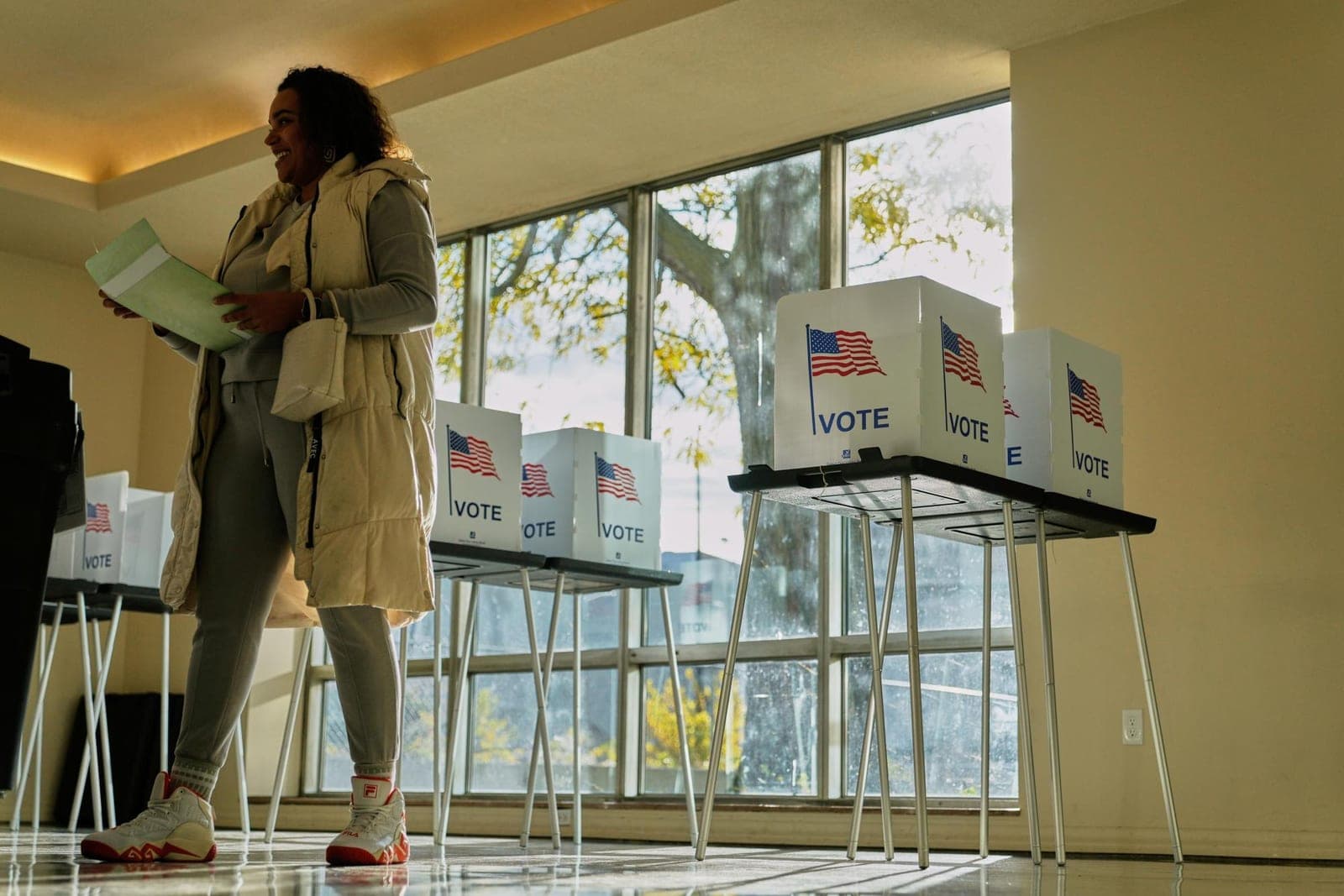
The SAVE America Act, which would add proof-of-citizenship and photo-ID requirements for voting, appears stalled in the Senate as Republicans disagree over how to advance it. President Donald Trump is pressing Senate Majority Leader John Thune to push the bill, while some Republicans oppose the proposed procedural approach.
The House passed the SAVE America Act by a 218-213 vote. The bill would require proof of citizenship when registering to vote and photo identification to cast a ballot. Supporters say it would prevent voter fraud; opponents and election experts warn that it could make voting harder for eligible citizens and create confusion in this year’s elections. The article notes that federal law already requires voters in national elections to be citizens, but does not require documentary proof at registration.
Trump called for Republicans to pass the bill and urged Thune to act. Thune says he supports the legislation, but Senate Republicans have not unified behind a “talking filibuster” to try to advance it without Democratic votes. Some Republicans worry the approach could put the legislative filibuster at risk; others support trying it.
Community verdict
27 VOTES
People in this story
SWIPE →President pressing Republicans to pass the voting bill
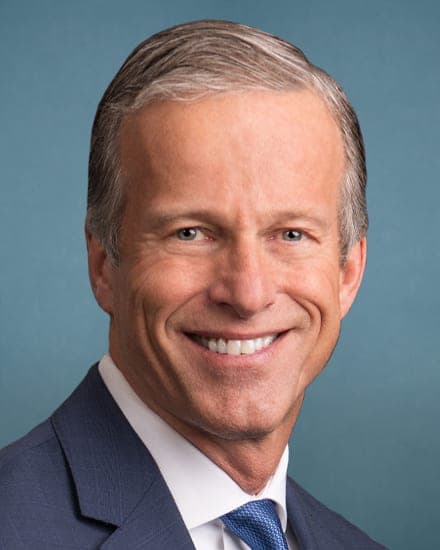
Senate majority leader weighing whether to use a talking filibuster to advance the bill
Thune's version of this story ↗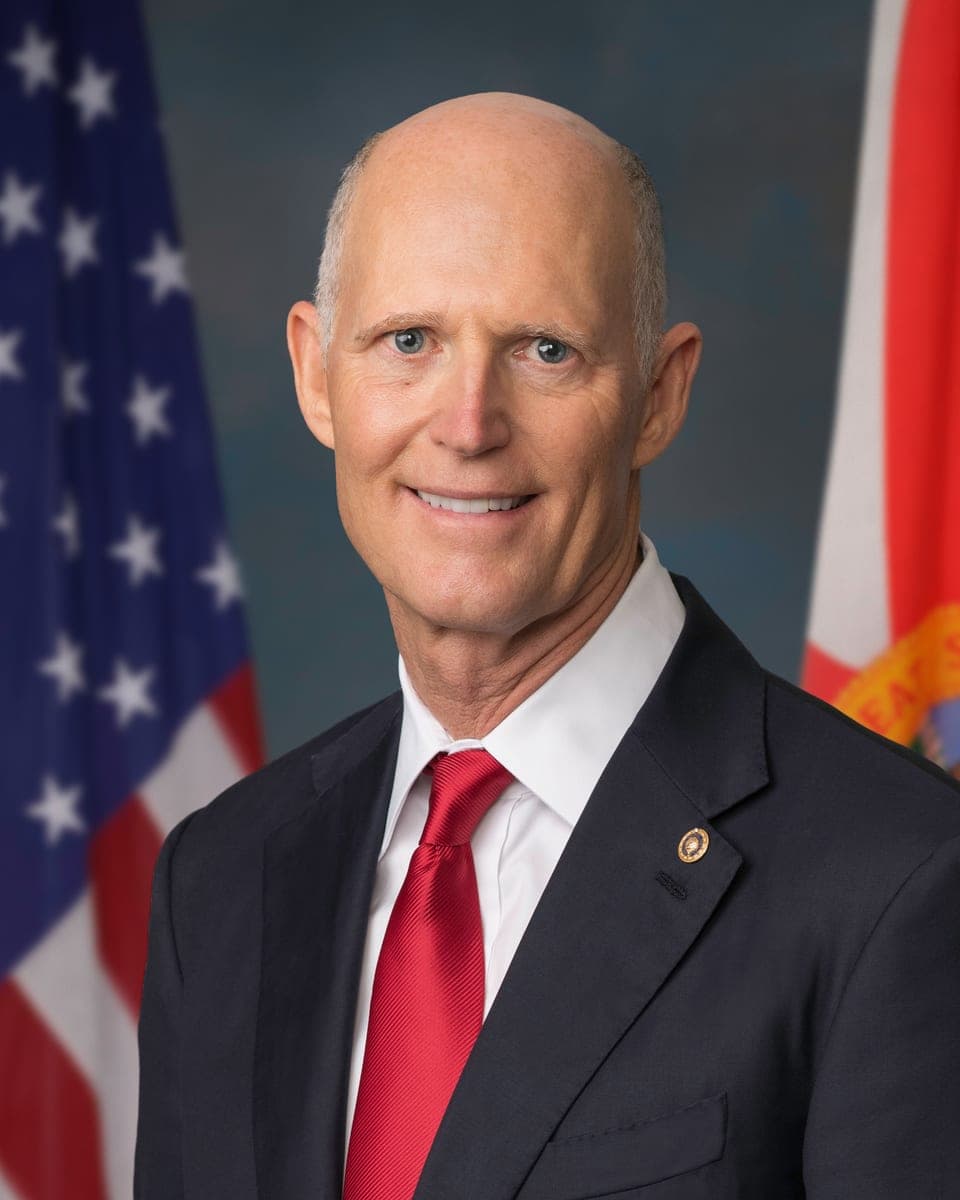
Florida senator who described the talking filibuster as difficult but achievable
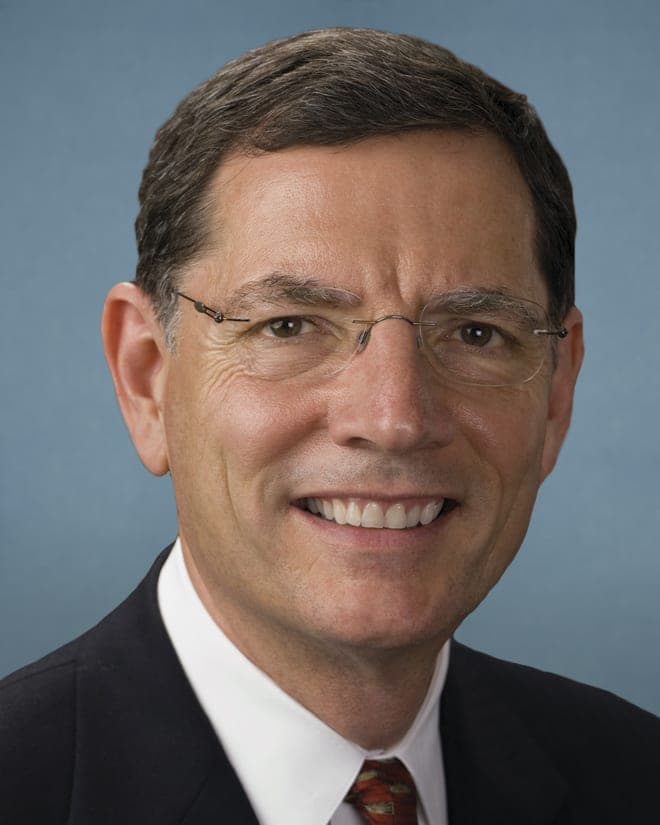
Wyoming senator and Republican whip, shown with Thune in a photo caption
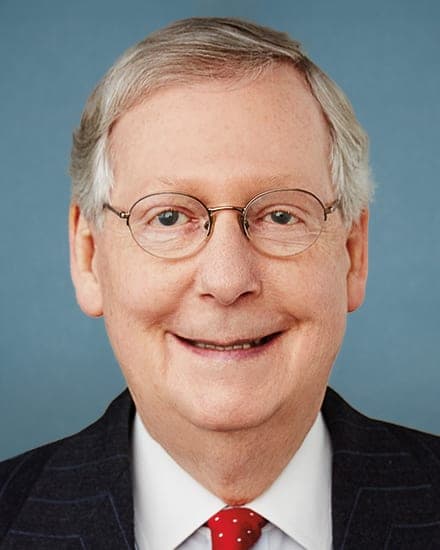
Kentucky senator and former majority leader, noted for opposing similar legislation in the past

Alaska senator reported to oppose the bill
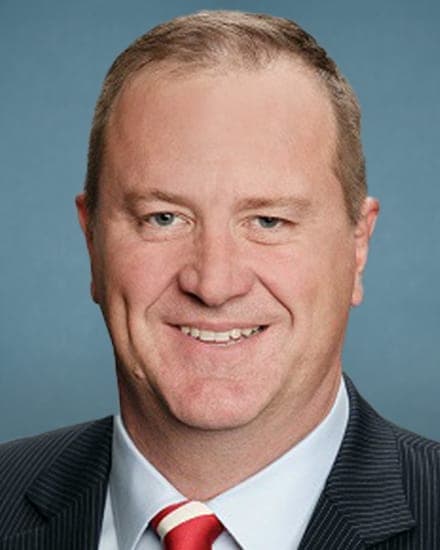
Missouri senator who supports trying a talking filibuster
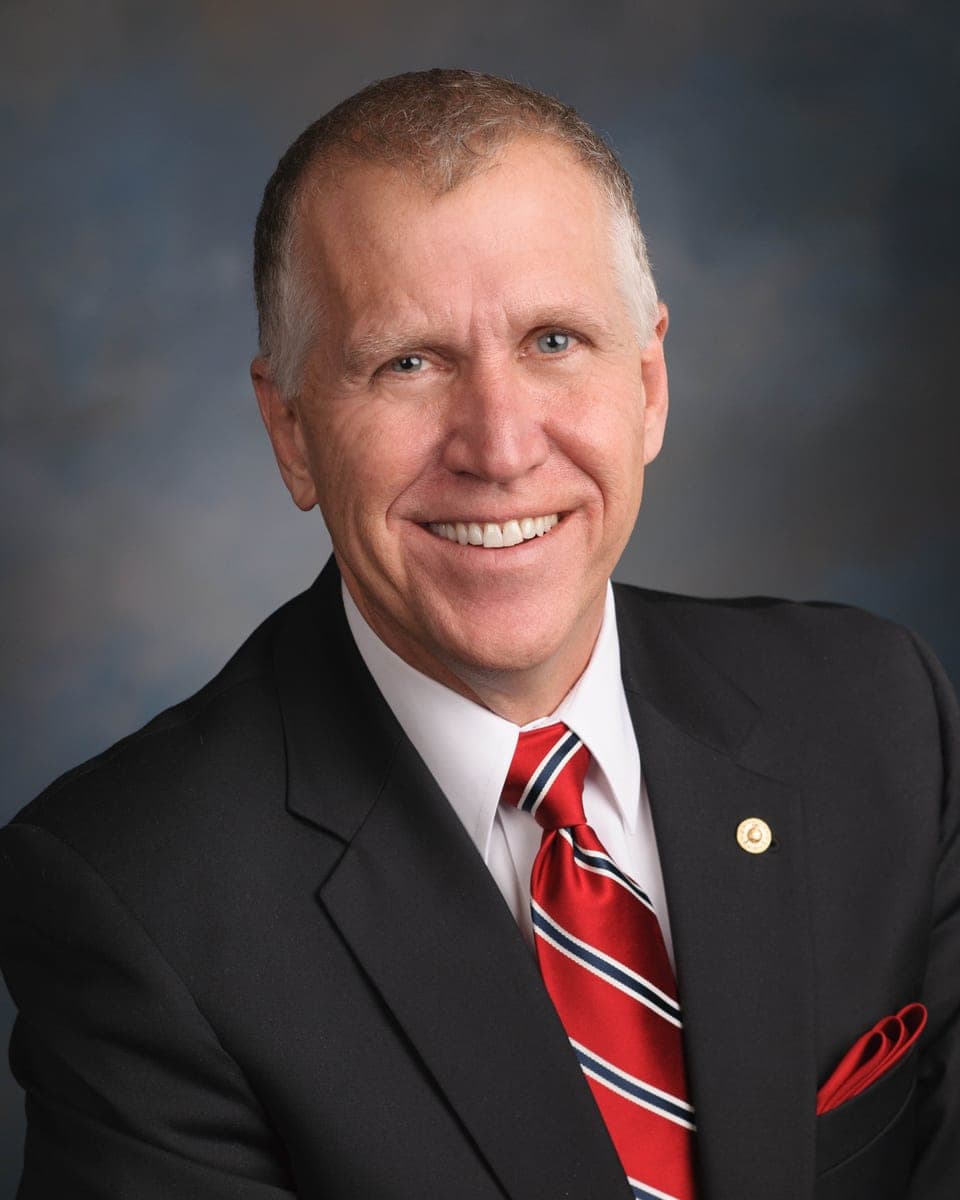
North Carolina senator opposing a change that would weaken the filibuster
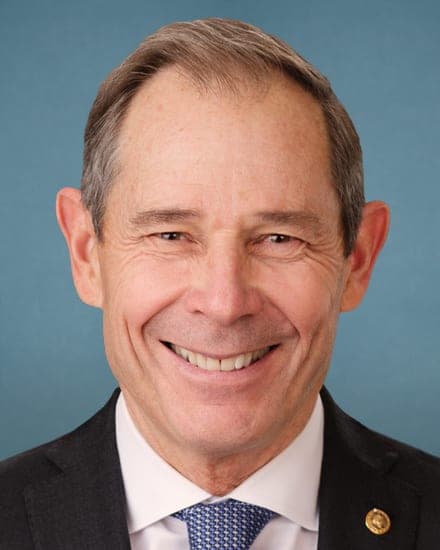
Utah senator concerned that the proposed approach would break the filibuster
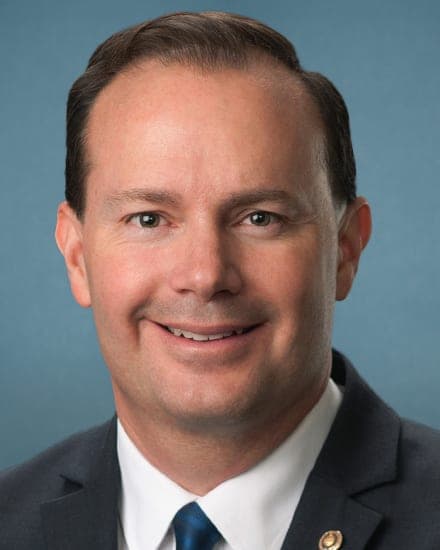
Utah senator advocating a talking filibuster
Discussion · 0
Loading comments…