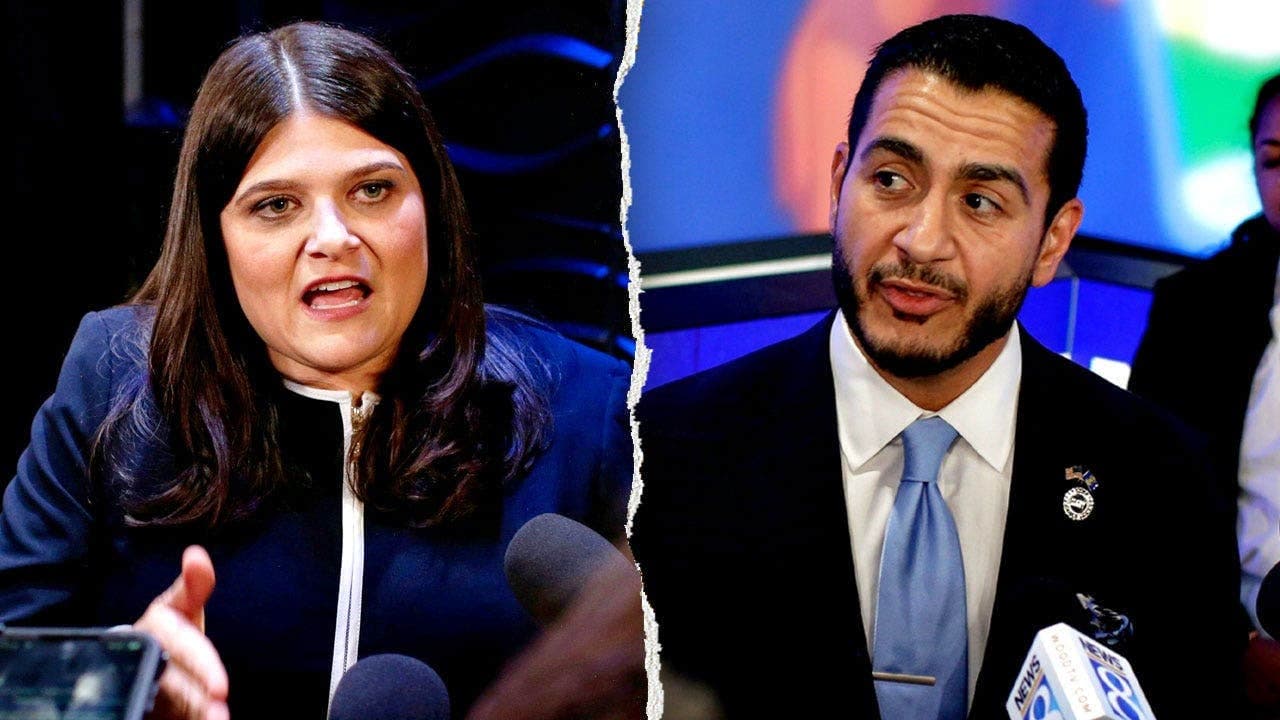
Rep. Stevens calls El-Sayed a celebrity in Michigan Senate debate
Stevens argued at the debate that her congressional record made her a stronger Senate candidate than El-Sayed.
SOURCE CHECK
TAP FOR WHYFox News is an established national outlet with a named author and reporting that attributes claims to the debate and to an outside analysis. Its partisan news environment tempers the score.
- Source type — An established national news organization, though politically partisan.
- Author attribution — The article names an author.
- Editorial standards — The publisher has an established news operation, but its partisan environment warrants caution.
- Transparency — The article attributes spending figures to an OpenSecrets analysis of FEC reports.
The article uses direct statements from both candidates and identifies the source for its campaign-spending figure. It provides limited independent context for the candidates’ policy claims and the broader race.
HOW WE SCORE ↗The article quotes both candidates’ arguments in the debate and attributes its spending information to an outside analysis. It offers limited additional context to assess their competing claims.
- Counterarguments presented — El-Sayed’s response to Stevens’s criticism is included.
- Source diversity — The report includes both candidates’ remarks and an OpenSecrets analysis, but few other perspectives.
- Omitted context — The article gives limited independent examination of the candidates’ policy claims.
- Loaded language — Some campaign characterization appears, largely as attributed remarks.
The report includes both candidates’ remarks, but its framing foregrounds Stevens’s critique and describes El-Sayed as a socialist-supported challenger. The overall tilt is modest rather than strongly partisan.
- Framing — The story’s central frame is Stevens’s charge that El-Sayed is a celebrity candidate.
- Language tone — The description of El-Sayed as a socialist-supported challenger gives the framing a modest rightward tilt.
- Source selection — Both candidates’ debate remarks are included.
- Headline — The headline spotlights Stevens’s criticism of El-Sayed.
At a Michigan Democratic Senate debate, Haley Stevens called Abdul El-Sayed a “celebrity” candidate and touted her congressional experience. El-Sayed countered by criticizing her votes on ICE funding and emphasizing affordability.
Stevens argued that her congressional record and work in Michigan made her a stronger candidate than El-Sayed, whom she criticized for pursuing attention. El-Sayed responded that Stevens was avoiding voters’ concerns and said he supports abolishing ICE.
The article describes the race as a contest over the Democratic Party’s future and says voters will choose between the candidates on Aug. 4. It also reports that outside groups had spent more than $52 million on the race through mid-July, citing an OpenSecrets analysis of FEC reports, and that El-Sayed was backed by Sen. Bernie Sanders.
Community verdict
14 VOTES
People in this story
SWIPE →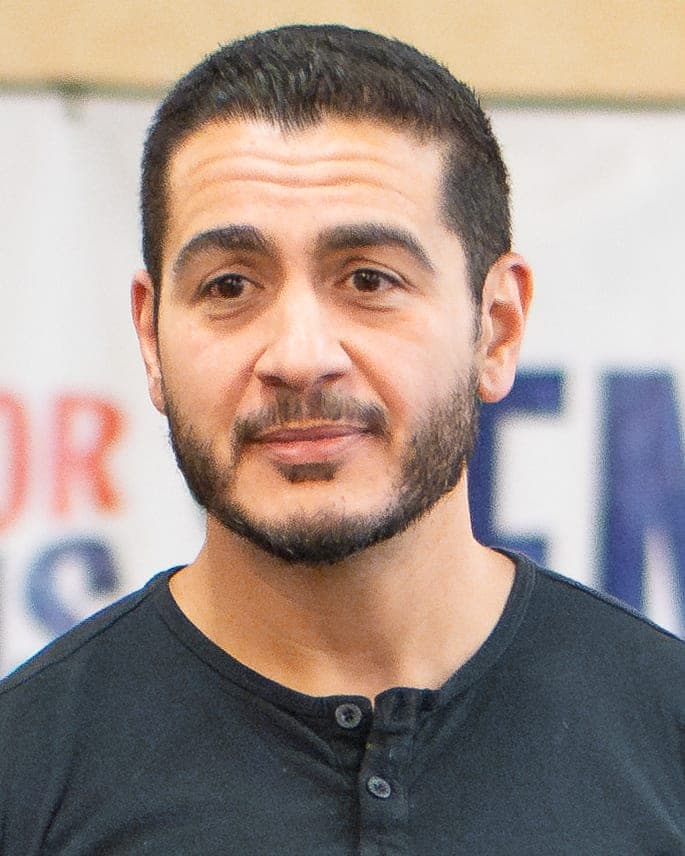

President of the United States
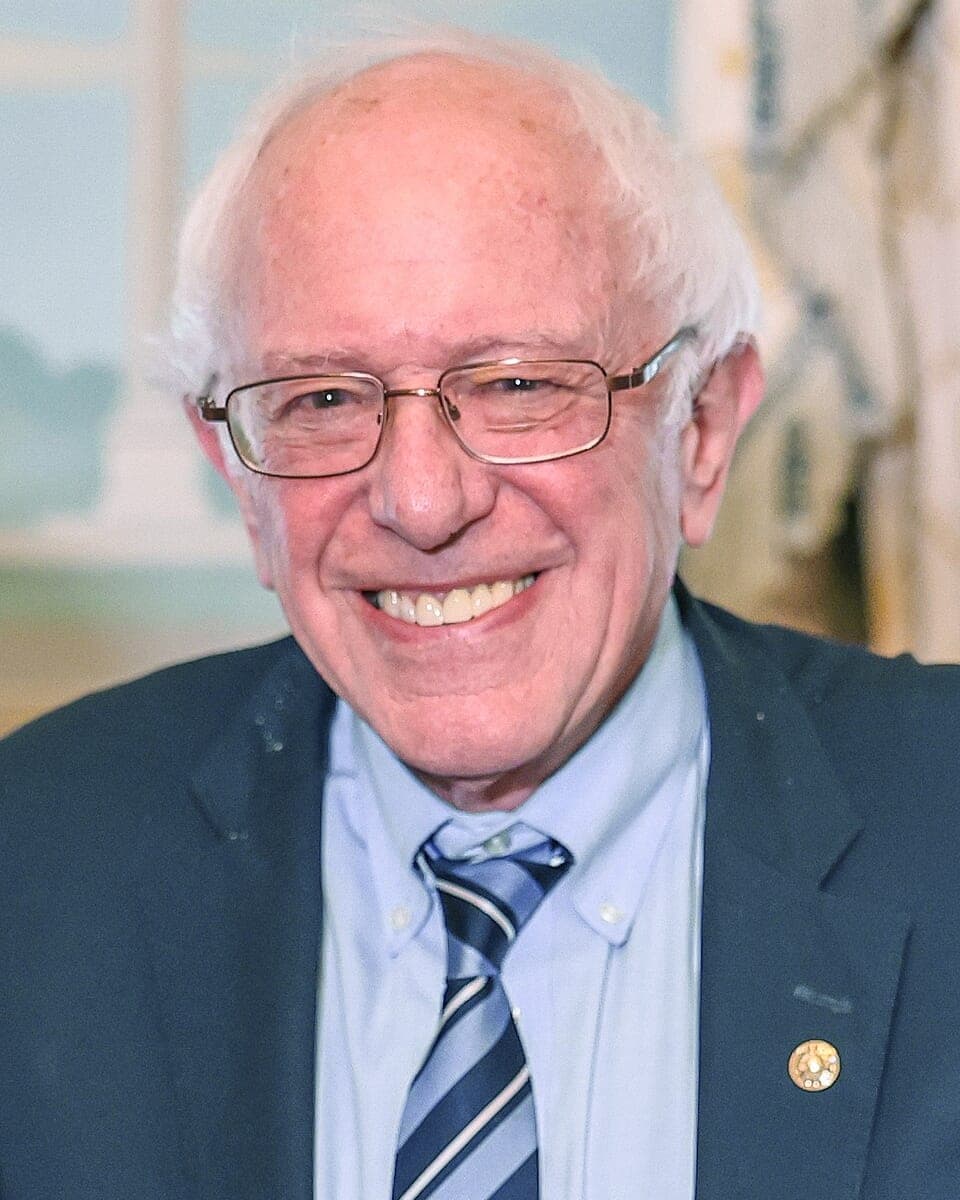
U.S. senator from Vermont
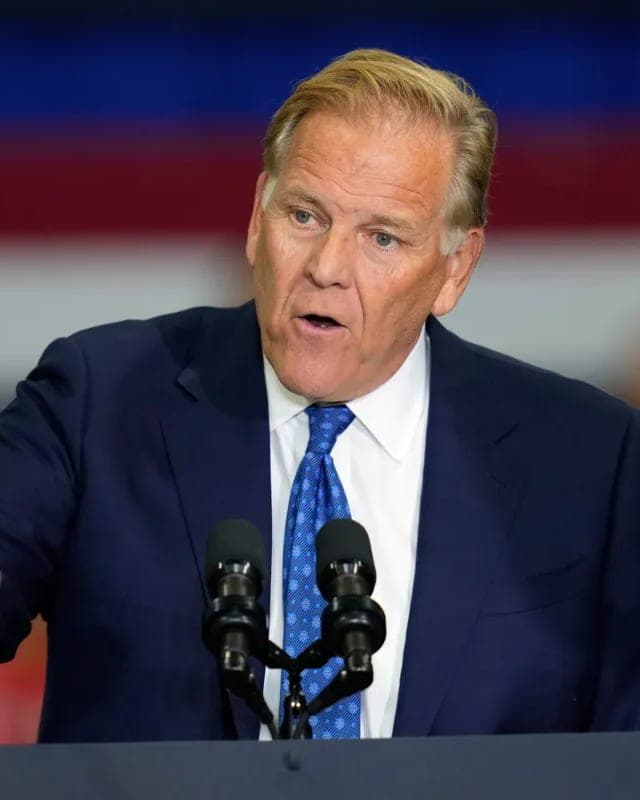
Republican Senate candidate in Michigan
Part of a bigger story
10 OUTLETSHaley Stevens and Abdul El-Sayed debated in Michigan’s Democratic Senate primary, addressing their records, campaign spending and policy positions. Center outlets emphasize campaign money, electability and the candidates’ records, with some fact-checking claims or tracking polling. Right-leaning outlets foreground Stevens’s defense of her congressional experience and pro-Israel record, alongside El-Sayed’s criticism of her positions.
- ARTICLES
- 13
- OUTLETS
- 10
- AVG CRED
- 72
Discussion · 0
Loading comments…