DAVID MARCUS: Experts promised a socialist landslide — Michigan Democrats nearly said no
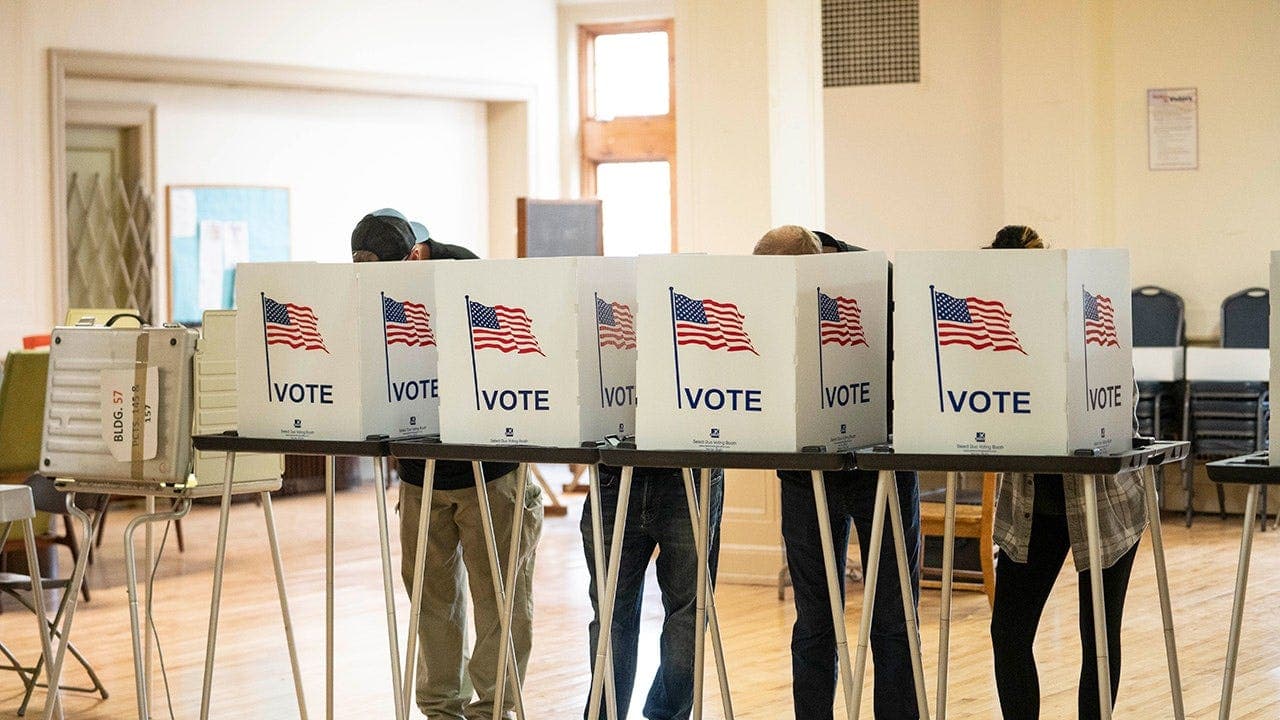
Marcus examines how polling and media coverage portrayed El-Sayed as the likely primary winner.
SOURCE CHECK
TAP FOR WHYFox News is an established national outlet with an identifiable author and a recognizable editorial operation. This is a clearly labeled opinion column, so the publisher’s institutional credibility does not make its arguments equivalent to independently verified reporting.
- Source type — Established national outlet, though this page is an opinion column.
- Author attribution — The column names its author.
- Editorial standards — A recognizable newsroom and opinion operation, but the argument is distinct from straight news reporting.
The column supplies specific polling figures and describes the author's conversations with voters, but those interviews are not documented in detail and the article gives little space to alternative explanations or countervailing perspectives. Its central claims about polling and possible effects on turnout are partly speculative.
HOW WE SCORE ↗This is an opinion column that largely advances one argument: polling and news coverage overstated El-Sayed’s strength and disadvantaged Stevens. It presents no substantial response from pollsters, news outlets, or El-Sayed’s campaign.
- Opinion vs reporting — The piece is an explicitly labeled opinion column and advances the author's interpretation.
- Counterarguments presented — No meaningful counterargument from pollsters, news outlets, or the candidates is included.
- Loaded language — The column uses strongly evaluative descriptions of El-Sayed and his political allies.
- Source diversity — The principal evidence is the author's own voter conversations and cited poll margins.
The column uses strongly critical language about El-Sayed and socialism while praising Stevens’s prospects and faulting media coverage for favoring an El-Sayed victory narrative. Its framing is distinctly right-leaning rather than neutral.
- Language tone — Uses labels such as “far-left” and “communist-aligned” and describes El-Sayed’s showing as humiliating.
- Framing — Frames Stevens as an overlooked alternative and the expected El-Sayed win as a media-fueled narrative.
- Source selection — Relies on the author's voter conversations and polling criticism without presenting opposing interpretations.
David Marcus argues that polls overstated Abdul El-Sayed’s lead in Michigan’s Democratic Senate primary and underplayed Haley Stevens’s late momentum. On Wednesday morning, the race remained uncalled, with Marcus saying the narrow contest exposed weaknesses in how news outlets use polls and prediction markets.
Marcus writes that public polls had shown El-Sayed leading by double digits, but by Wednesday morning the primary was still uncalled and he appeared headed for a 1- to 3-point victory, with less than half the vote. Marcus says his reporting in Michigan had suggested the race was tightening and that voters he met who were not activists were more likely to support Stevens.
Marcus argues that coverage of an expected El-Sayed blowout may have obscured Stevens’s momentum and could have affected turnout, though he says the effect is unknowable. He notes that Republican Senate nominee Mike Rogers would face El-Sayed, and says El-Sayed’s narrow showing and comments by Hasan Piker could make party unity harder.
Community verdict
6 VOTES
People in this story
SWIPE →
Representative and Democratic Senate candidate in Michigan
Stevens's version of this story ↗Michigan state senator and former Democratic Senate candidate
Republican Senate nominee in Michigan
U.S. representative who endorsed Stevens
Discussion · 0
Loading comments…