Crypto Super PAC Money And The 'Blackwashing' Charge In Dem Primaries
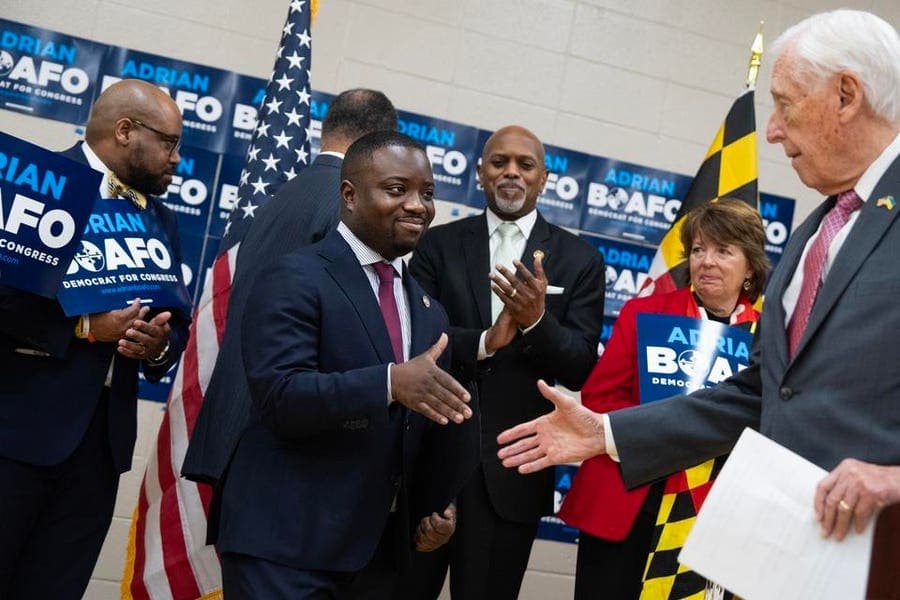
The article examines the crypto-linked spending supporting Boafo and how it relates to his public record.
SOURCE CHECK
TAP FOR WHYForbes is an established national publication with editorial operations and a visible byline. This contributor analysis cites filings and outside reporting, though the article’s institutional standards and original reporting are less clear than in a staff-reported news story.
- Source type — Established national publication; a strong credibility prior, though this is a contributor analysis.
- Transparency — It identifies FEC filings, public records, The Lever and Pew Research Center as sources for key claims.
- Author attribution — The article identifies its author.
- Editorial standards — The publisher has an established editorial operation, but the article provides limited detail about review or correction practices.
The piece cites campaign-finance filings, public records and named reporting, and it distinguishes between Boafo’s crypto record and his Oracle lobbying. It offers nuance across competing interpretations, but relies substantially on the author’s analysis and provides limited direct responses from the candidates discussed.
HOW WE SCORE ↗The article corrects a claim about Boafo’s lobbying work, discusses his public crypto record, and presents arguments about both crypto spending and anti-crypto framing. Its analysis is nonetheless chiefly the author’s interpretation, with relatively few direct perspectives from the candidates and organizations involved.
- Counterarguments presented — Distinguishes the case against opaque spending from broad claims that crypto itself is fraudulent.
- Source diversity — Draws on filings, outside reporting, public statements and a polling organization, but quotes few affected parties directly.
- Opinion vs reporting — Combines sourced facts with clear authorial interpretation.
- Omitted context — The article gives limited detail on the PACs’ own explanations or the candidates’ fuller responses.
The article criticizes opaque corporate political spending but distinguishes that concern from opposition to crypto technology itself. Its framing is analytical rather than clearly aligned with a partisan viewpoint.
- Framing — Frames corporate money in politics as the central concern and cautions against equating crypto with fraud.
- Language tone — Critical of undisclosed or hard-to-see campaign financing, while generally avoiding partisan language.
- Source selection — Uses public records and outside reporting while discussing competing claims about the spending.
- Omission — Does not provide extensive direct responses from all candidates or groups discussed.
The article examines crypto-linked super PAC spending in Democratic primaries, focusing on Maryland candidate Adrian Boafo and the debate over how the money and candidates’ records are presented to voters. It also connects those races to Senate disputes over crypto legislation and corporate money in politics.
The article says Protect Progress, a Democratic-facing arm of the Fairshake network, spent more than $4.9 million backing Adrian Boafo in Maryland’s crowded primary. It describes ads emphasizing issues such as ICE, Donald Trump and the cost of living without mentioning cryptocurrency. The author says journalist Joy Reid’s “blackwashing” criticism captures a disclosure concern, while noting that Boafo was an Oracle lobbyist, not a crypto lobbyist, and that his public record includes support for blockchain and crypto. The article also recounts reporting about his Oracle work and amended state ethics filings.
The piece compares spending in other Democratic primaries and describes Senate divisions over crypto legislation. It says Ruben Gallego and Angela Alsobrooks voted to advance the Digital Asset Market Clarity Act in committee, while Chris Van Hollen voted against it; it also summarizes Alsobrooks’s consumer-protection efforts and Van Hollen’s proposed ethics amendment. The author argues that corporate political spending, rather than crypto technology or the race of candidates, is the broader concern.
Community verdict
VOTING CLOSED
No good or bad look here
This story reports what happened without casting Boafo in a good or bad light, so readers don’t rate it and it doesn’t count toward Boafo’s record.
People in this story
SWIPE →Maryland House candidate whose crypto record and PAC backing anchor the article
Maryland House candidate who joined a protest against outside spending for Boafo
President mentioned as a target of campaign-ad messaging
Representative described as strongly opposed to crypto on an industry scorecard
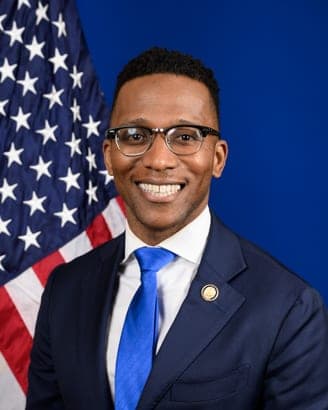
Representative who won a Texas primary with substantial PAC support
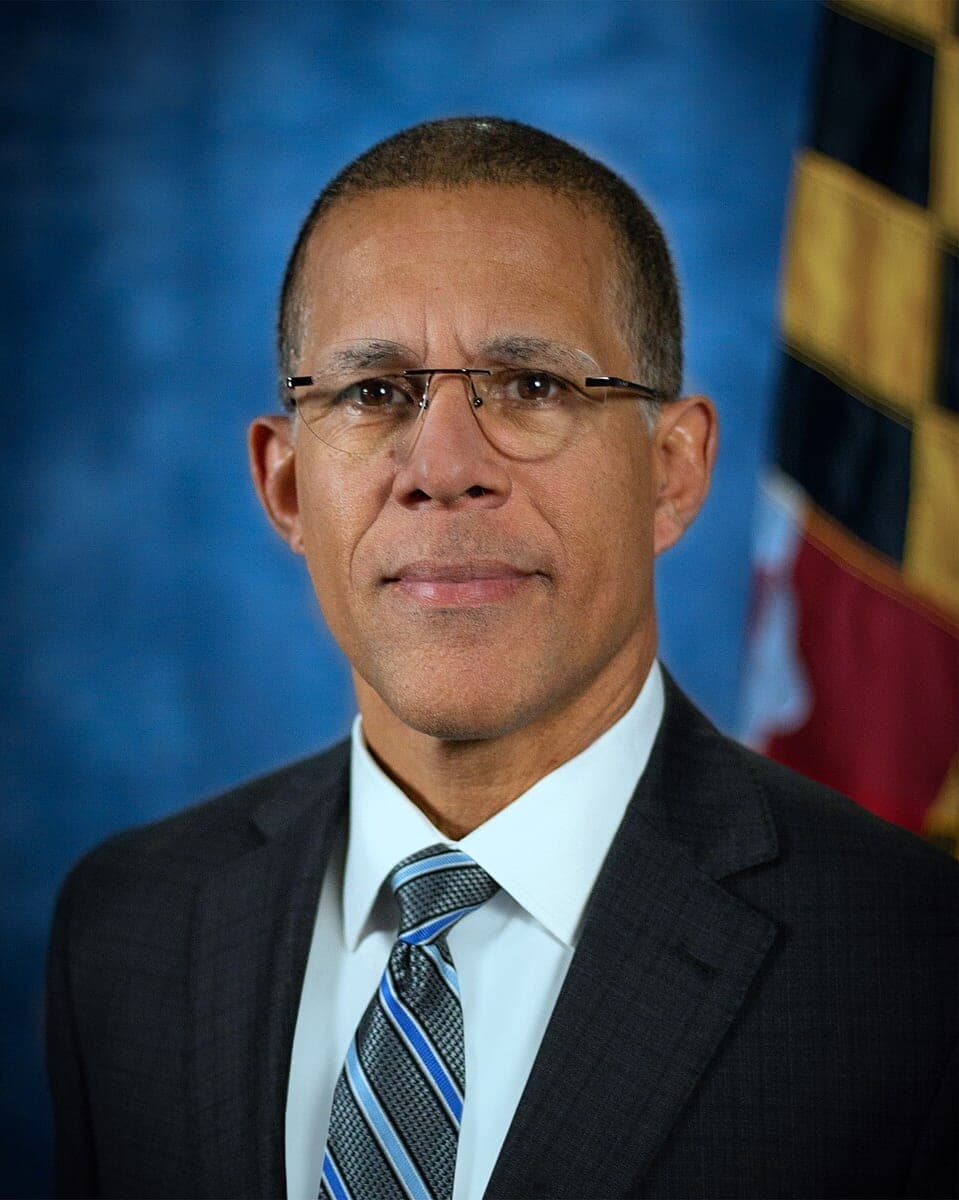
Maryland official described as strongly opposed to crypto on an industry scorecard
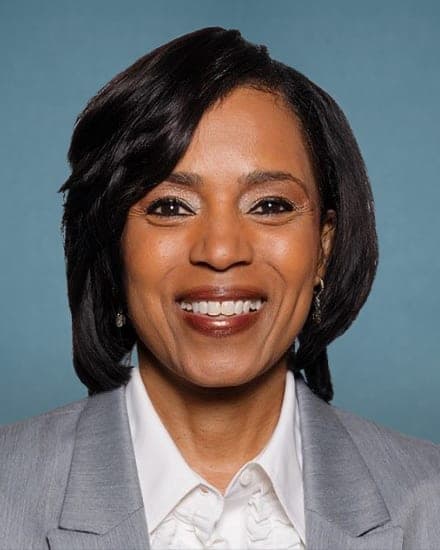
Senator involved in crypto legislation and an endorser of Boafo
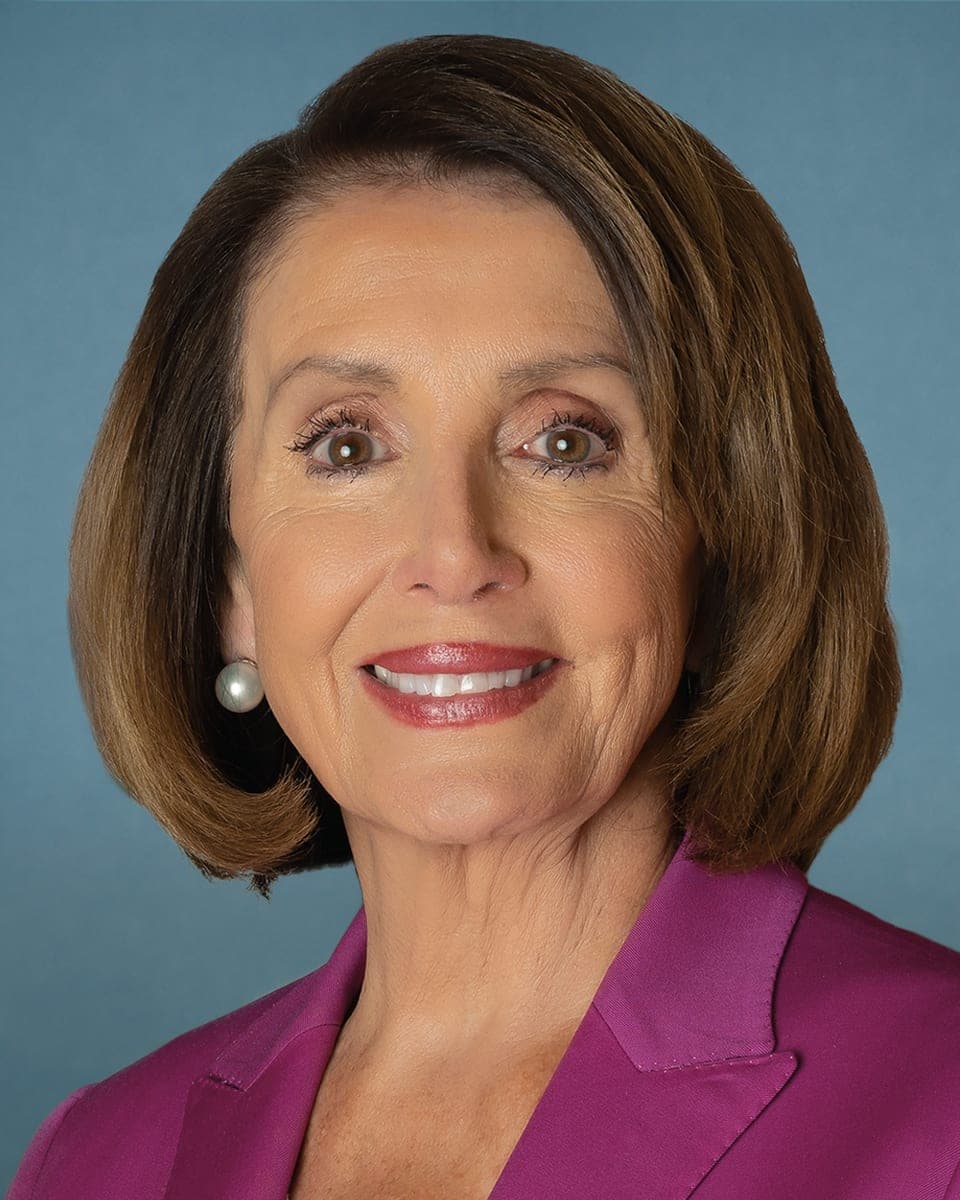
Former House speaker identified as an endorser of Harry Dunn
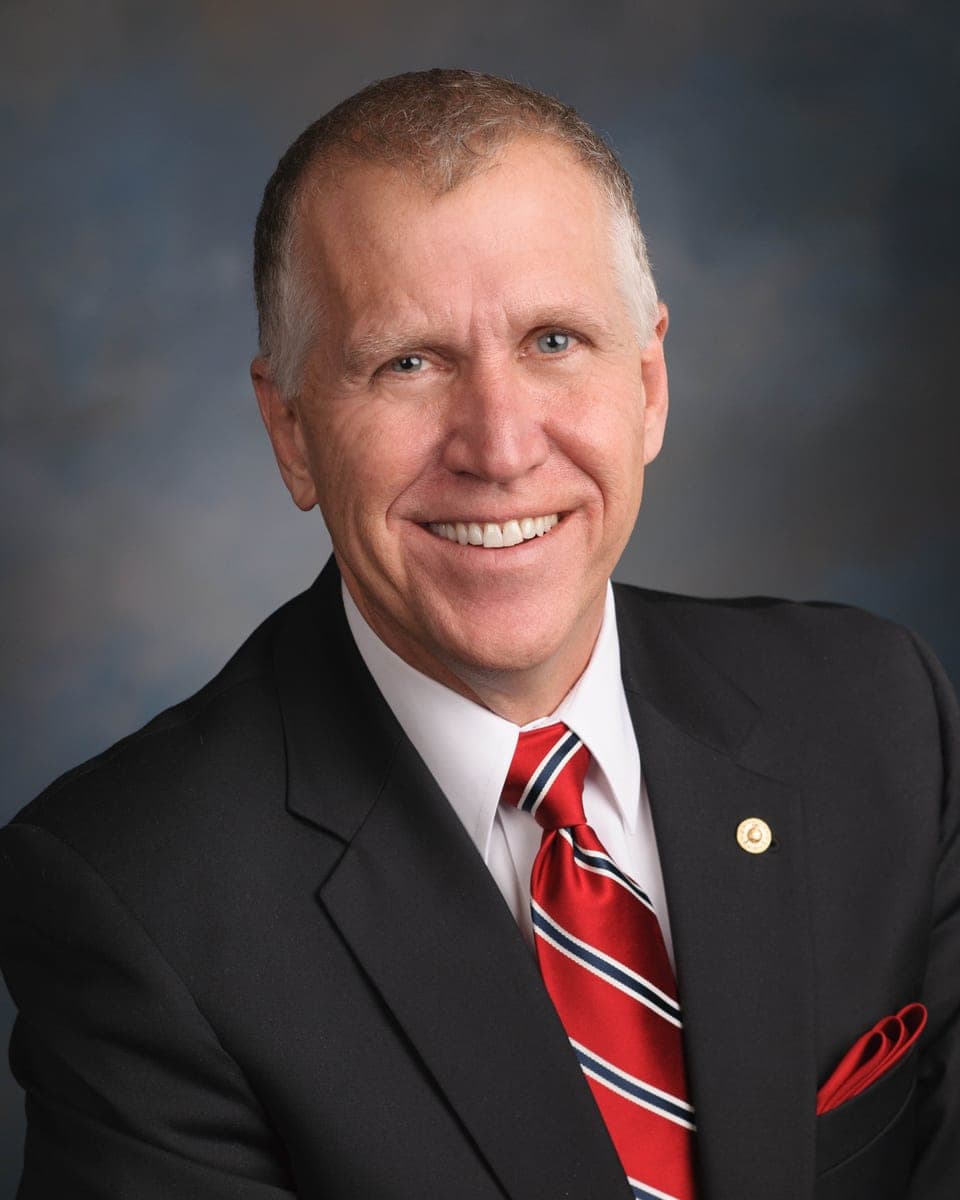
Senator who worked with Alsobrooks on a stablecoin-yield compromise
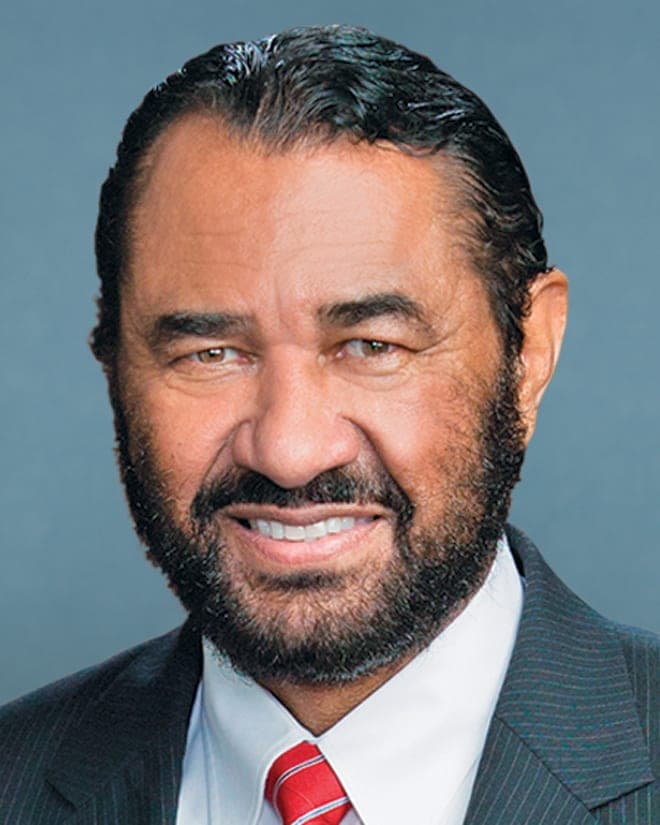
Representative defeated in a runoff and described as a crypto critic
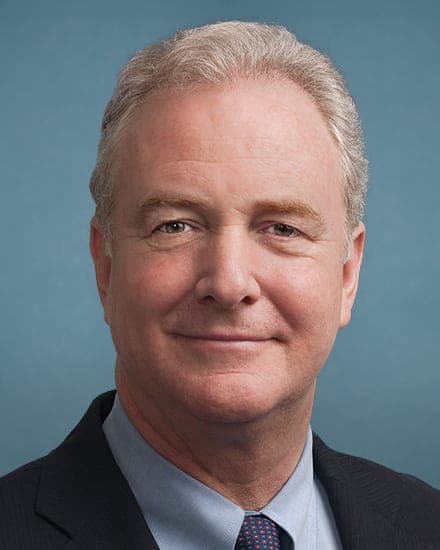
Senator who opposed the bill in committee and pushed for stronger safeguards
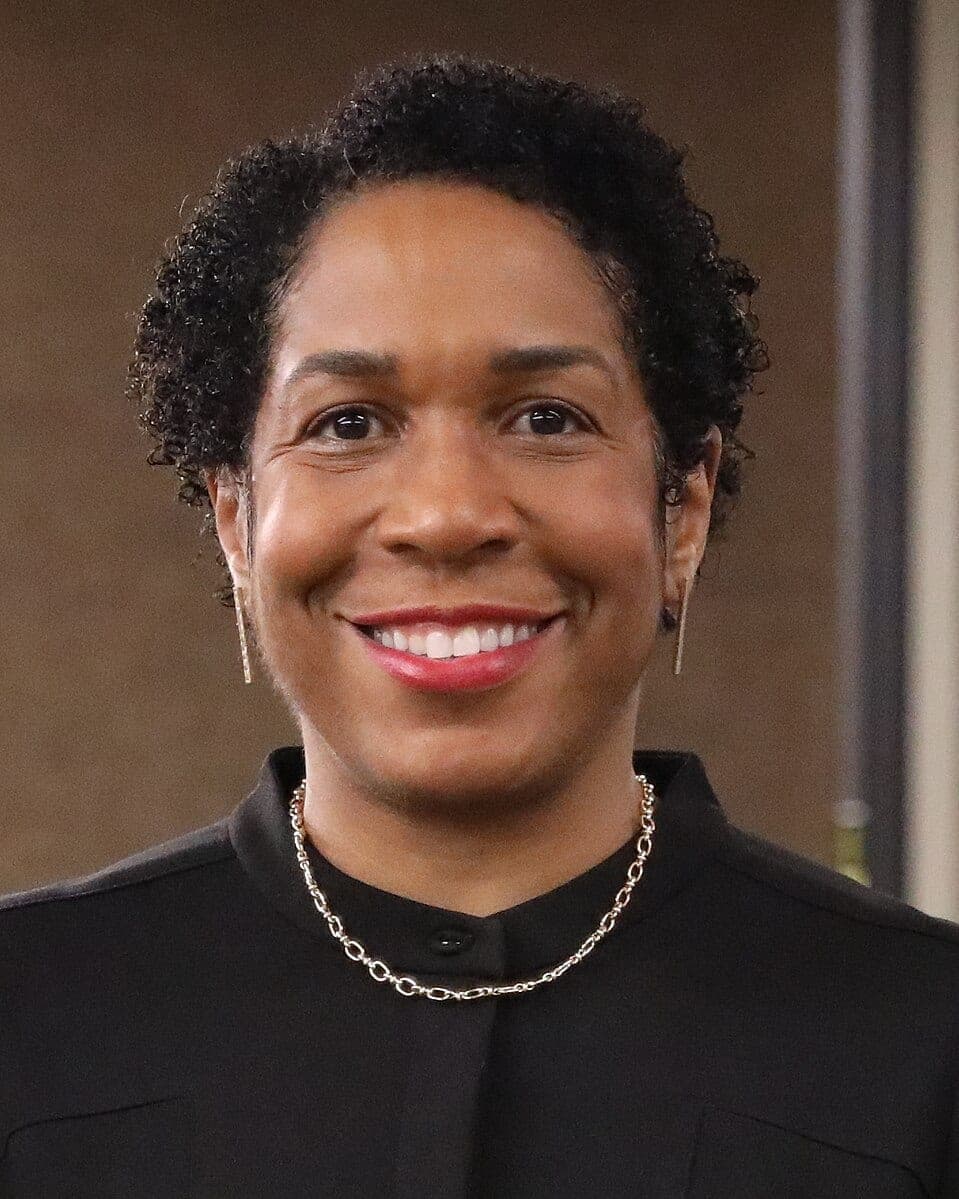
Illinois lieutenant governor and Senate candidate targeted by crypto-linked spending
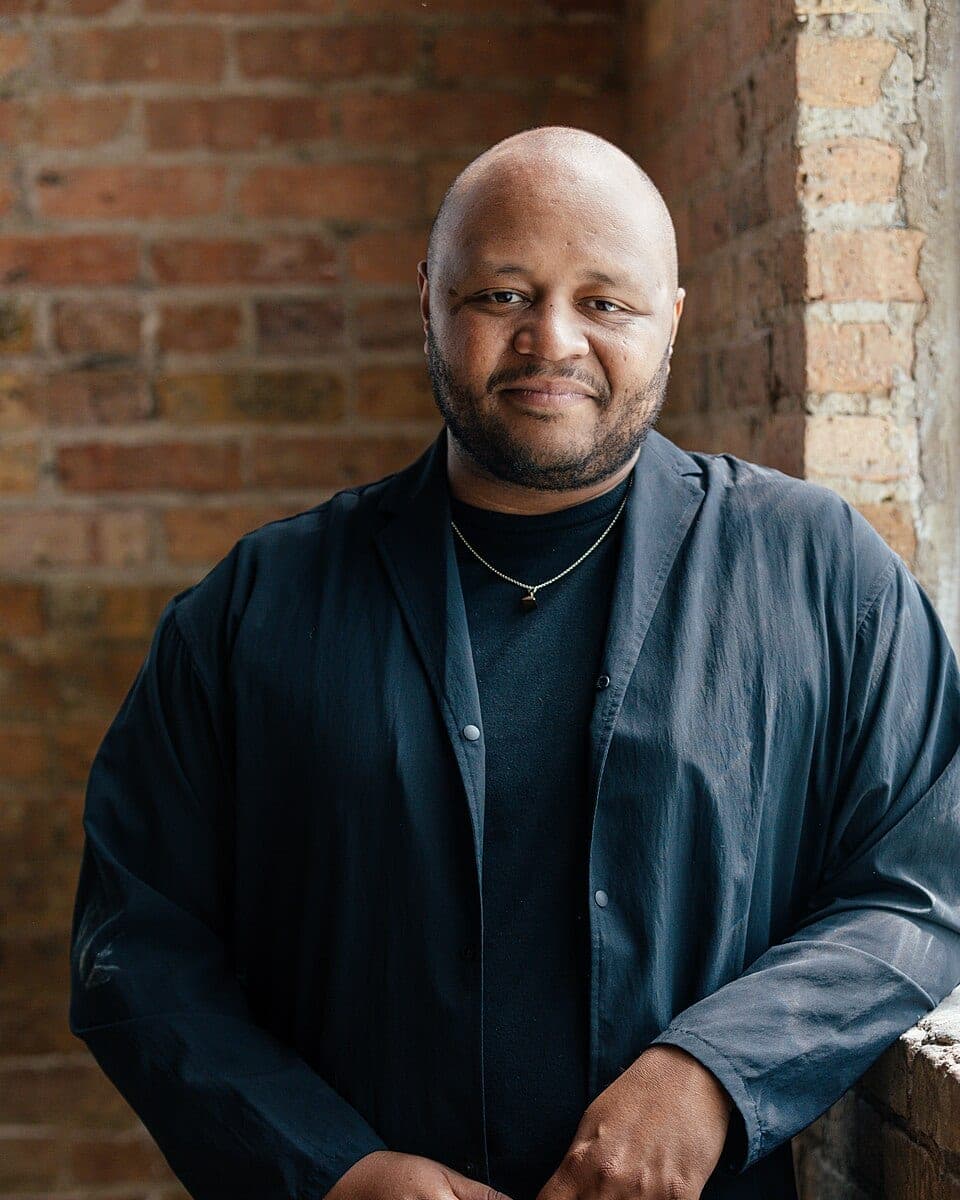
Maryland House candidate and Boafo rival who questioned his ability to oppose ICE
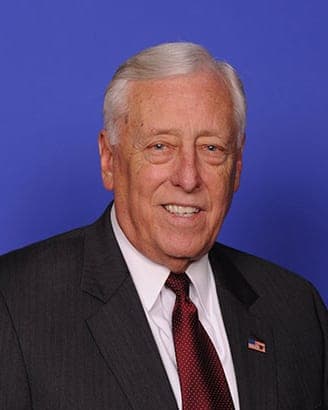
Retiring representative whose seat Boafo is seeking
Maryland House candidate who joined a protest against outside spending for Boafo
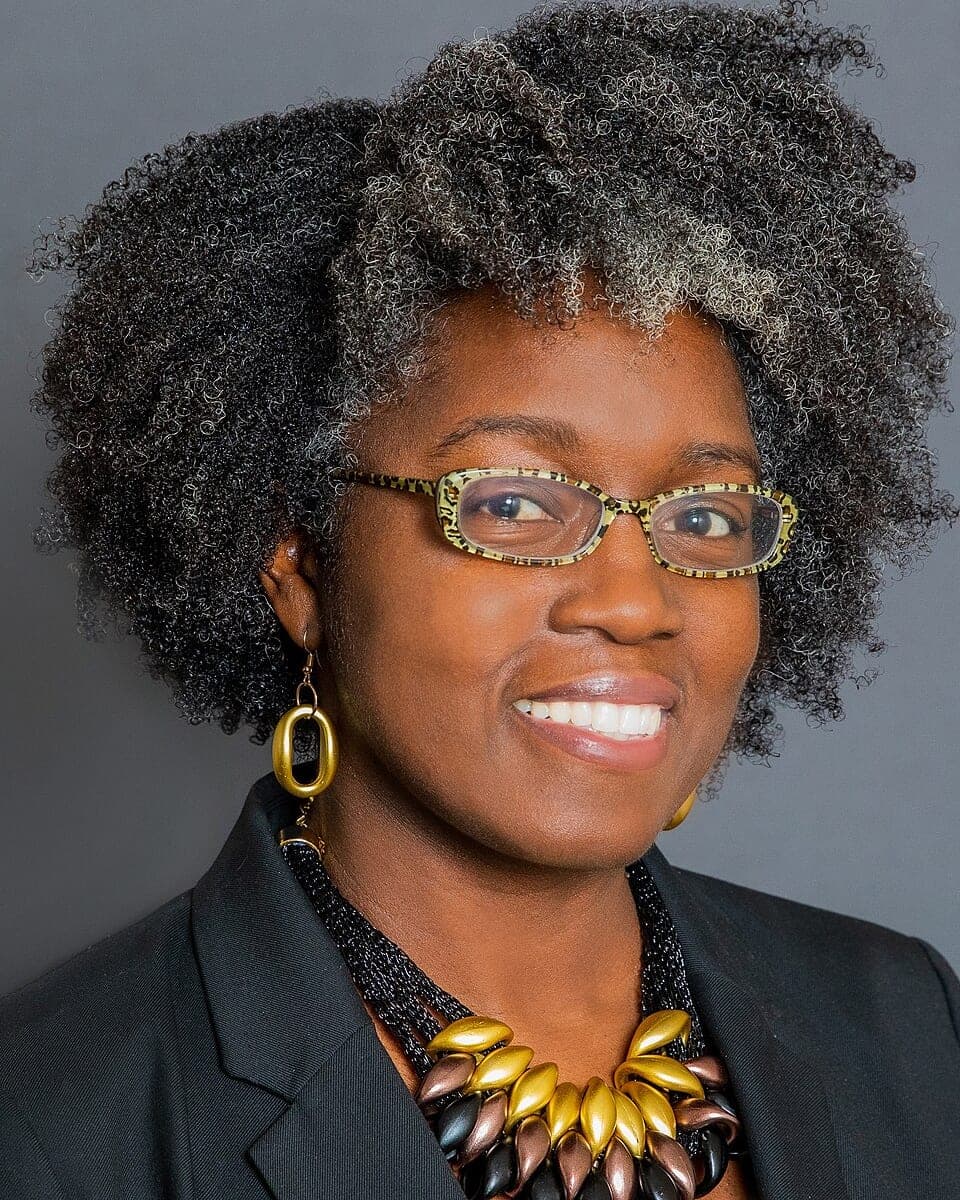
Georgia House candidate whose primary win is cited as another example of PAC spending
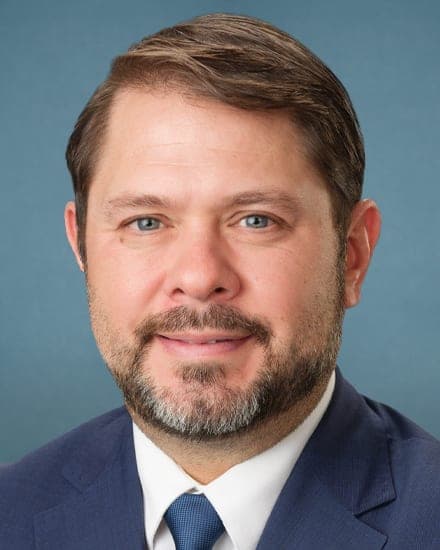
Senator who voted to advance the Digital Asset Market Clarity Act in committee
Part of a bigger story
2 OUTLETS- ARTICLES
- 2
- OUTLETS
- 2
- AVG CRED
- 70
Discussion · 0
Loading comments…