The historic US shutdown is over. But why is nobody celebrating?
Schumer pressed Republicans to negotiate over a funding bill and the expiring health care tax credits.

SOURCE CHECK
TAP FOR WHYCredibility rates firstpost.com, where this article appeared. The other scores rate the article itself.
Firstpost is an established international news publisher with an identifiable byline, though its institutional standing is below that of major newspapers of record. The article credits the Associated Press with input, offering some transparency about its reporting basis.
- Source type — An established international news outlet, but not a leading newspaper of record.
- Transparency — The page identifies an FP Explainers byline and credits AP for input.
- Author attribution — A named editorial desk is credited rather than an anonymous author.
- Editorial standards — The article cites polling and government estimates, but the available text provides limited detail about the outlet's corrections practices.
The explainer provides a clear account of the shutdown, cites Congressional Budget Office estimates and an AP-NORC poll, and includes perspectives from both parties. It offers useful context but limited direct reporting from affected workers or travelers.
HOW WE SCORE ↗The article includes arguments and actions from both parties and reports polling that assigns substantial responsibility to each. It also documents the shutdown's effects, though it offers limited direct accounts from people affected.
- Counterarguments presented — Democratic demands and Republican positions are both described.
- Source diversity — The article quotes leaders from both parties and uses polling and CBO estimates.
- Omitted context — The human consequences are summarized without direct interviews with affected people.
- Loaded language — Some charged language appears in attributed quotations, not as the article's own verdict.
The explainer describes the shutdown and its political consequences in largely neutral language, attributes statements and polling claims, and reports responsibility attributed to both parties.
- Language tone — Mostly descriptive language, with no sustained partisan framing.
- Source selection — Includes statements from Democratic and Republican leaders and cites polling on blame across parties.
- Framing — The article emphasizes the shutdown's consequences and unresolved funding dispute rather than advancing a party's case.
Original publisher not identified
This article credits another publisher, which ChamberLight has not identified, so the scores are firstpost.com's own.
The longest U.S. government shutdown ended after President Donald Trump signed temporary funding legislation, but the deal did not resolve the dispute over health care tax credits. The shutdown’s economic and personal effects remain, while both parties face public blame.
President Donald Trump signed temporary funding legislation after it passed the House and Senate, ending the longest government shutdown in U.S. history. The measure funds the government through the end of January, leaving lawmakers a little over two months to negotiate a broader spending plan. Democrats did not secure an extension of enhanced Affordable Care Act tax credits, which are due to expire at the end of December; the article says the Congressional Budget Office projected that premiums would more than double for millions and more than two million people would lose coverage.
Community verdict
27 VOTES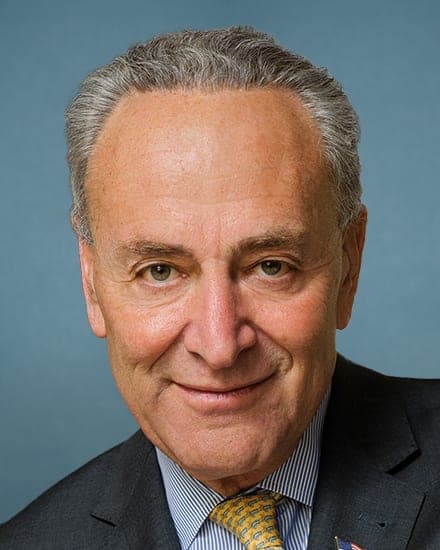
Counts every outlet’s report of this story. See all 12
Votes cast on this page
Votes cast on this page: ▲ 0 · ◆ 0 · ▼ 0
People in this story
SWIPE →Senate Democratic leader who pressed for negotiations and a guaranteed extension of health care tax credits

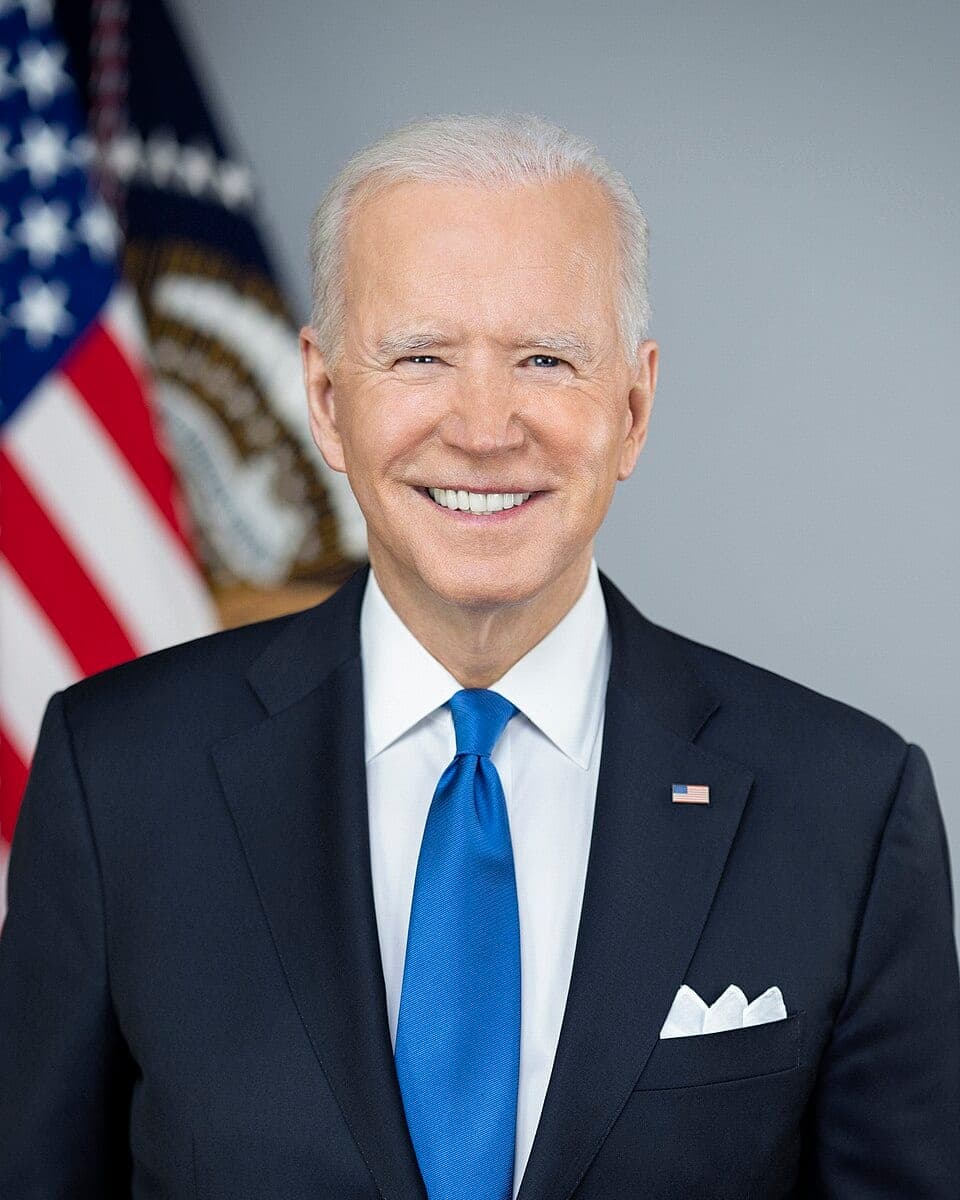
President who signed the shutdown-ending funding legislation and urged Republicans to end the Senate filibuster
Trump's version of this story ↗
House Speaker who accused Senate Democrats of fearing criticism from their party's left flank
Former president whose energy and health care legislation is cited as an earlier expansion of the tax credit
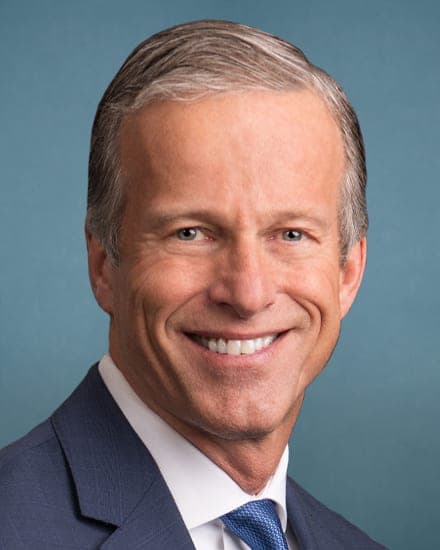
Senate majority leader who insisted the funding bill pass first and later promised a vote on the tax-credit extension
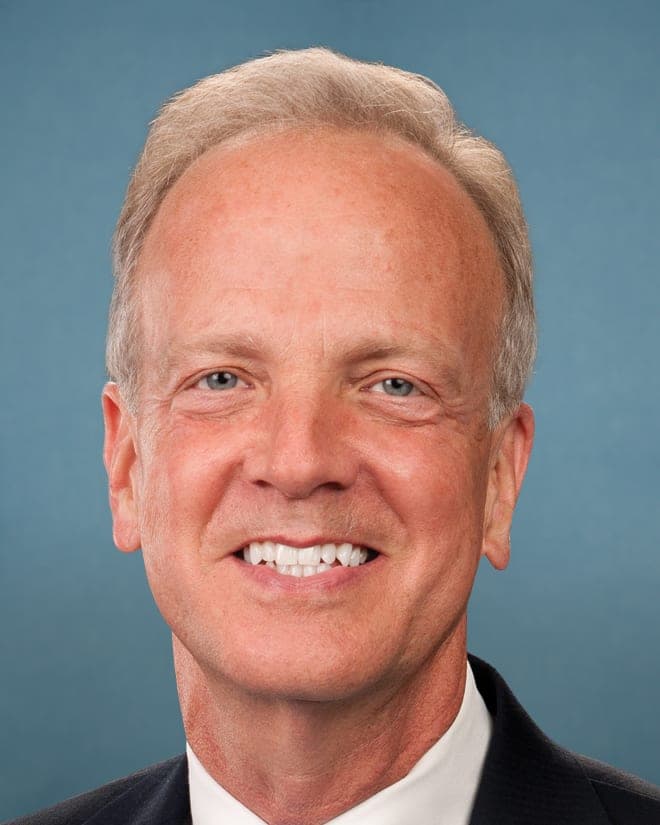
Senator who warned that the shutdown damaged constituents, the economy and U.S. standing abroad
Part of a bigger story
12 OUTLETSEight Democratic senators joined Republicans in a deal to end the government shutdown, which Schumer opposed. Coverage reports that the dispute prompted renewed questions about his leadership. Center outlets combine accounts of the shutdown’s effects and unresolved issues with scrutiny of Schumer’s leadership, though some are more reportorial. Right-leaning outlets frame the deal more sharply as evidence of Democratic division and Schumer’s weakened position, stressing calls for a leadership change and speculation about his future.
- ARTICLES
- 12
- OUTLETS
- 12
- AVG CRED
- 60
Discussion · 0
Loading comments…