What does a massive data center mean for your community? These senators want you to have the answers
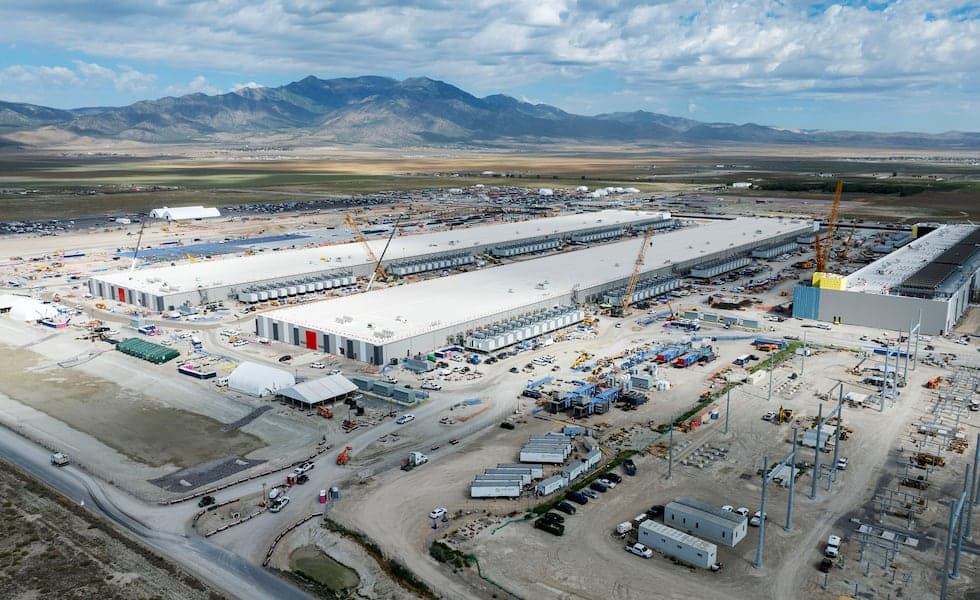
Curtis introduced a bill to help local governments assess the potential impacts of proposed data centers.
SOURCE CHECK
TAP FOR WHYDeseret News is an established regional news outlet, and the article identifies its author and attributes statements to the senators. The short report relies mainly on the bill sponsors’ descriptions and offers little independent scrutiny.
- Source type — Established regional news publisher; the article concerns federal policy.
- Author attribution — A named reporter is credited.
- Editorial standards — The report uses attributed statements and describes the proposals and their status, but provides limited independent reporting.
- Transparency — The article identifies the publisher and author.
The article describes the bills’ proposed provisions and attributes the senators’ views, but its sourcing is largely limited to the sponsors and it includes little outside context or opposing perspective.
HOW WE SCORE ↗Both senators’ rationales and the bills’ stated provisions are included, but the article relies on the sponsors and does not present critics, affected communities or independent experts.
- Source diversity — The two sponsors are quoted; no independent or opposing sources appear.
- Counterarguments presented — The article notes that data centers can bring investment, but does not include a counterargument to the bills.
- Opinion vs reporting — The piece is written as news reporting rather than opinion.
The report uses mostly neutral language and describes the proposals and their stated aims without clear partisan framing. Its sources are primarily the two bill sponsors.
- Language tone — The wording is largely descriptive and avoids overtly partisan language.
- Source selection — The report quotes both senators sponsoring the proposals but includes no outside voices.
- Framing — The article focuses on local information and the bills’ provisions rather than partisan conflict.
Sens. John Curtis and Lisa Blunt Rochester introduced bipartisan bills aimed at giving communities more information about data centers’ local costs and environmental effects. One would offer technical assistance to local governments; the other would require federal agencies to collect data on energy, water use and environmental impacts.
Curtis and Blunt Rochester say their bills would help local communities assess proposed data centers. Curtis’s Data Center Community Empowerment Act would create a Department of Energy program to provide technical assistance and independent analysis when a community requests it, without the department recommending approval or rejection. Curtis said data centers can bring investment but also place new demands on local infrastructure.
The Data Center Transparency Act would require the Environmental Protection Agency and Energy Information Administration to collect and update information about data centers’ environmental effects, energy and water use, and potential impacts on utility bills. Blunt Rochester said the bills would give communities a say in how projects affect them. The article says it was not clear when, or whether, the Senate would consider the bills.
Community verdict
6 VOTES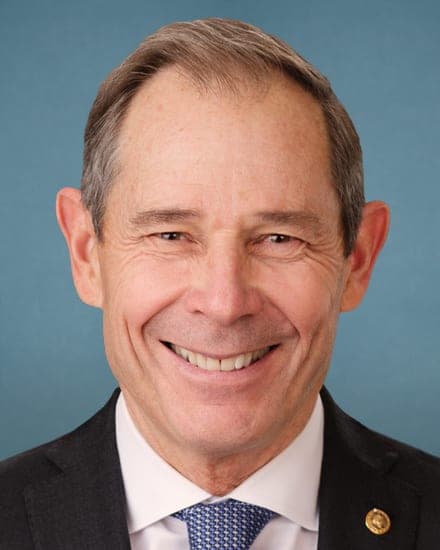
People in this story
SWIPE →Utah senator introducing a bill on community assistance for proposed data centers
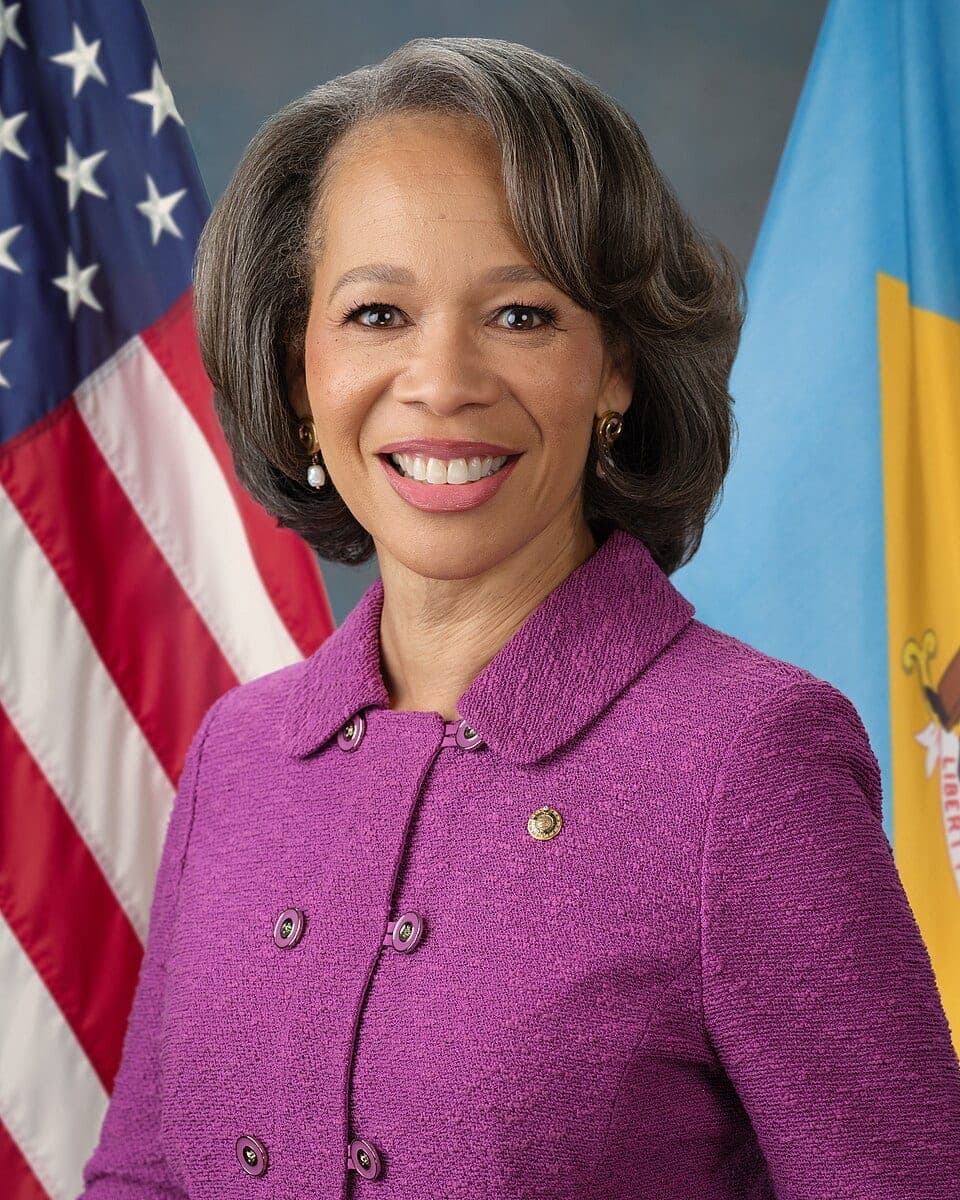
Delaware senator working with Curtis on data-center transparency legislation
Blunt Rochester's version of this story ↗Part of a bigger story
2 OUTLETS- ARTICLES
- 2
- OUTLETS
- 2
- AVG CRED
- 81
Discussion · 0
Loading comments…