It's cold in hell: A Republican rejects AIPAC money
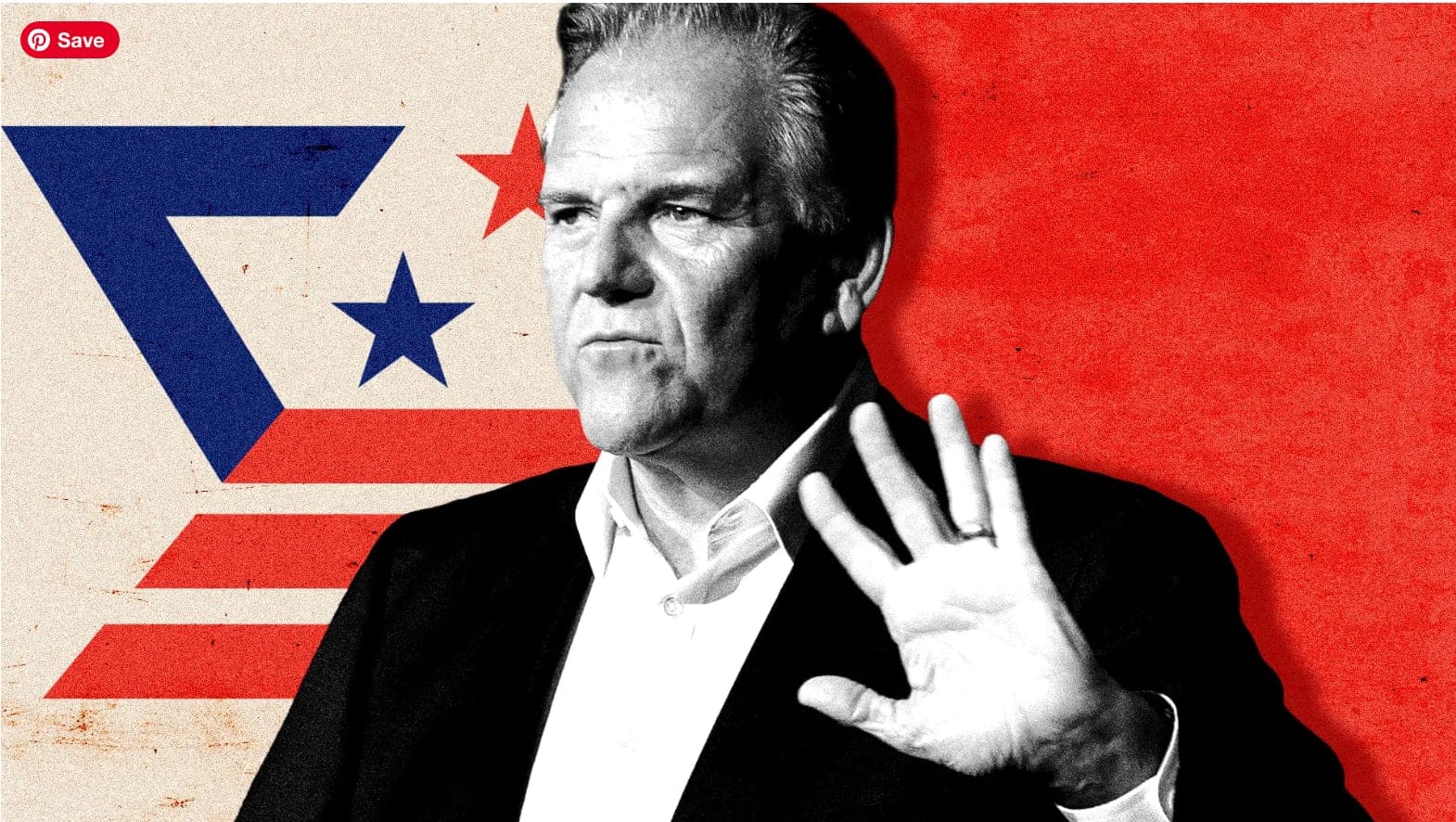
Rogers's allies asked AIPAC not to advertise for him, a decision the article portrays as a response to the group's political liabilities.
SOURCE CHECK
TAP FOR WHYDaily Kos is rated 43 by the site, and this page is a community blog post rather than a piece from a wire service or newspaper of record. The named author and attribution to Axios, the New York Times, and a poll provide some transparency, but the article’s many assertions and strong editorial language limit confidence in its reporting standards.
- Source type — A blog/community post, which is a weaker institutional signal than an established newsroom.
- Track record — The site's rating is 43 based on 105 stories.
- Author attribution — A byline is present, though it does not establish the author's reporting credentials.
- Transparency — The piece attributes some reporting to Axios and the New York Times but makes other substantial claims without clear sourcing.
The article provides specific claims and attributes some reporting to Axios and the New York Times, but much of its explanation relies on assertion and highly charged language. It presents little counterargument or direct comment from Rogers, AIPAC, or other affected parties.
HOW WE SCORE ↗The piece is an argument rather than a balanced account: it advances a critical interpretation of Israel and AIPAC, with no substantive response from AIPAC, Rogers, or supporters of Israel's policy.
- Counterarguments presented — No substantive counterargument or response from the people and organizations criticized.
- Loaded language — Repeatedly uses emotionally charged terms to characterize Israel and its conduct.
- Opinion vs reporting — The author explicitly argues for a particular interpretation of Rogers's decision and its causes.
- Source diversity — Some external reporting and polling are cited, but perspectives from the criticized parties are absent.
The article uses strongly critical language about Israel and AIPAC and presents criticism of Israel as politically and morally justified. Its framing is distinctly left-leaning rather than neutral reporting.
- Language tone — Uses condemnatory phrases such as “mass murder,” “balderdash,” and “international pariah.”
- Framing — Explains AIPAC's political difficulties principally through criticism of Israeli government conduct.
- Source selection — Cites reporting and polling to support criticism but provides no opposing response from AIPAC or Israel's defenders.
The article says Michigan Republican Senate candidate Mike Rogers asked AIPAC not to advertise for him, arguing that the group’s association with Israel has become a political liability. It attributes that shift to public reaction to Israel’s conduct in Gaza and the Iran conflict.
The author says allies of Mike Rogers asked AIPAC not to advertise on his behalf. According to Axios, Rogers met AIPAC chair Michael Tuchin, after which the group shelved a video ad targeting Democratic rival Abdul El-Sayed. The article also says AIPAC spent $36,280,260 supporting Haley Stevens in the Democratic primary and cites a New York Times analysis of its political advertising.
Community verdict
2 VOTES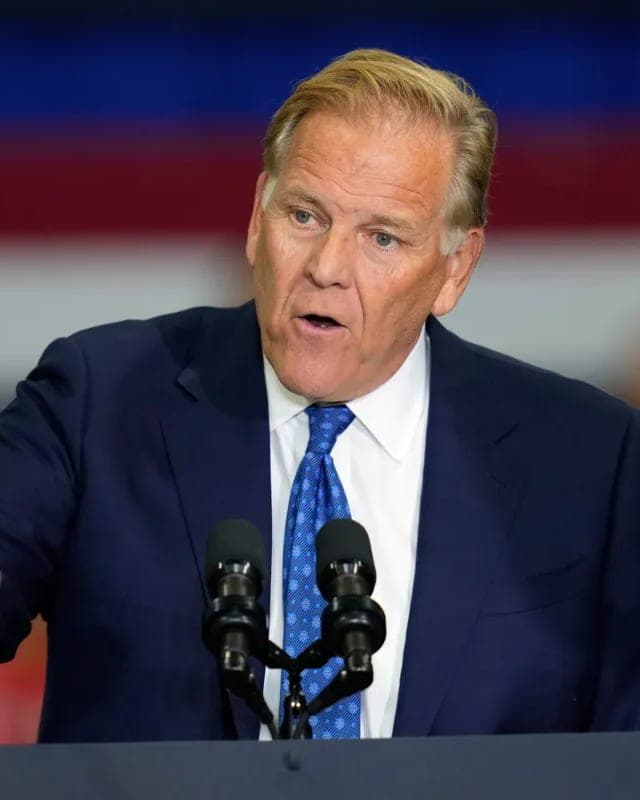
People in this story
SWIPE →Republican Michigan Senate candidate who rejected AIPAC advertising support

Democratic Senate primary opponent of El-Sayed who received AIPAC support
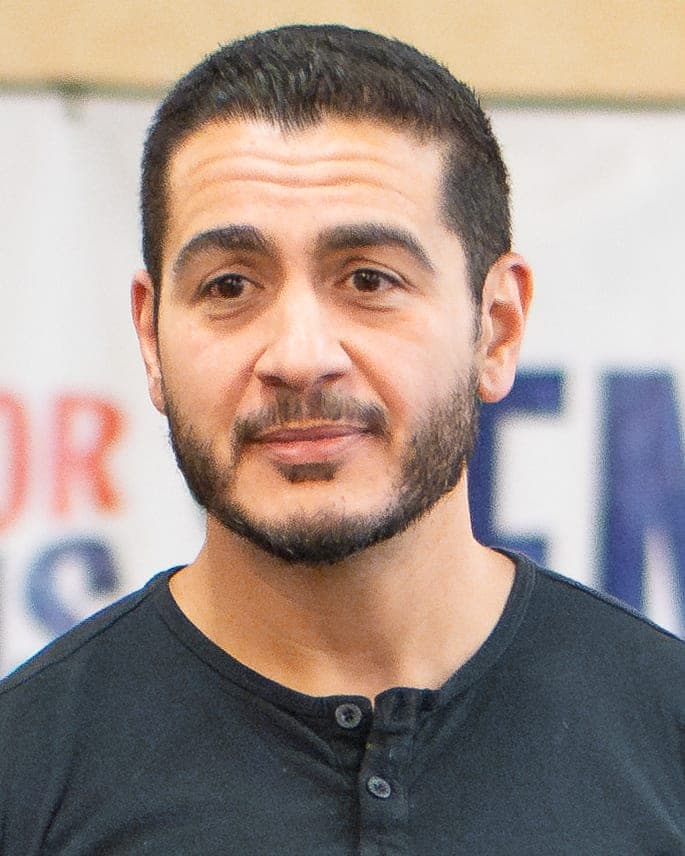
Democratic Senate candidate and Rogers's rival, whom AIPAC had opposed in the primary
Part of a bigger story
4 OUTLETSCoverage centers on a reported request by Mike Rogers's campaign for AIPAC to limit advertising in Michigan's Senate race. Left-leaning outlets portray the request as a response to AIPAC's political liabilities, particularly its association with Israel, while also noting continued support in some forms. Center outlets focus on a request to stop ads against Abdul El-Sayed after the campaign concluded AIPAC's primary ads had backfired.
- ARTICLES
- 5
- OUTLETS
- 4
- AVG CRED
- 54
Discussion · 0
Loading comments…