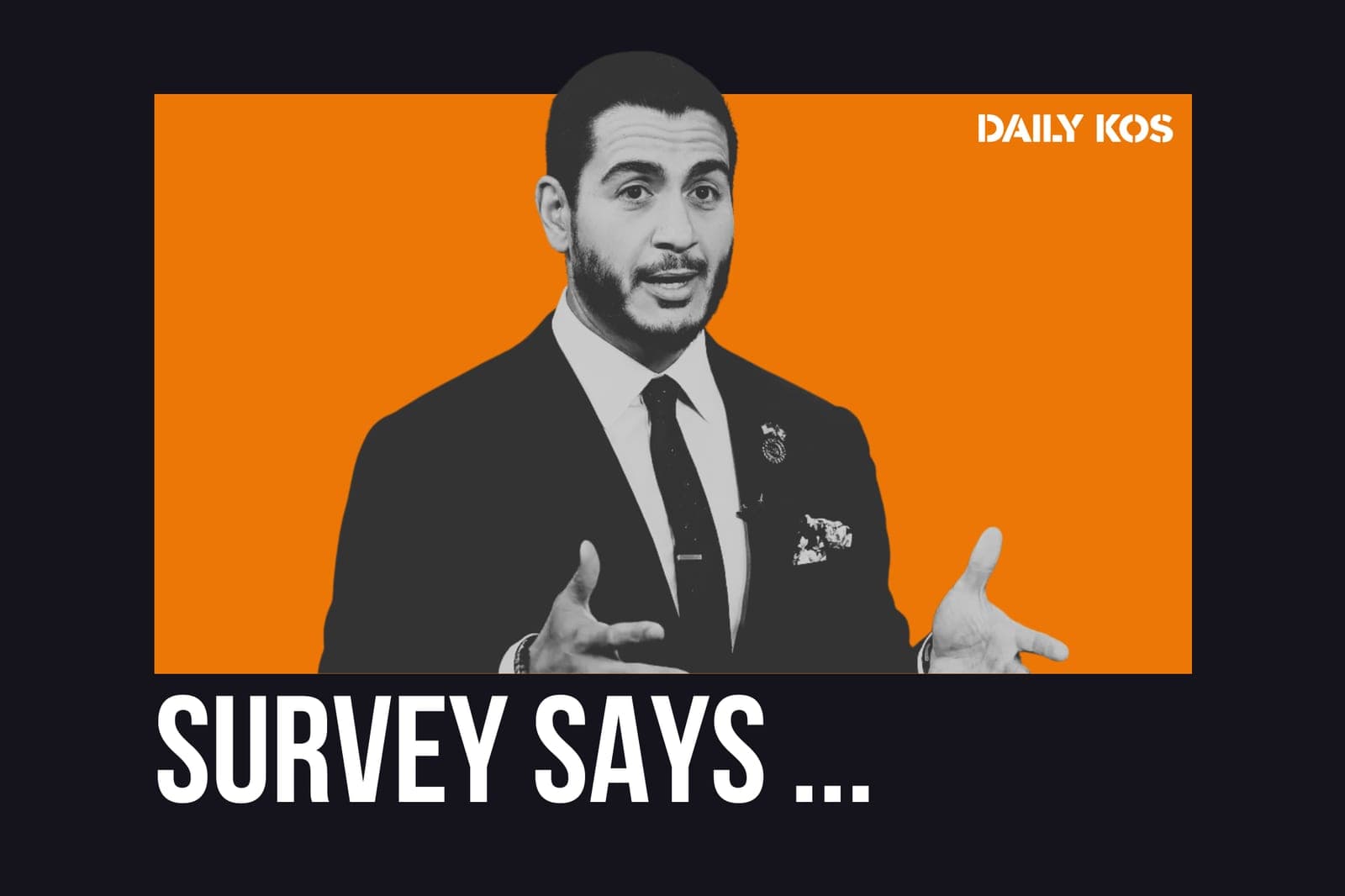
Abdul El-Sayed may just prove a progressive can win a purple state
The article examines whether his primary polling lead and general-election numbers show that a progressive can win in Michigan.
SOURCE CHECK
TAP FOR WHYDaily Kos is an identifiable, established political blog with a named author, but its progressive orientation and blog format warrant a lower institutional credibility rating than established general-news outlets. The article names polling sources and gives some methodological context.
- Source type — A political blog with an evident progressive orientation rather than a general-news newsroom.
- Transparency — It names polling organizations and identifies the polling period for its main primary-poll average.
- Author attribution — The article identifies its author.
- Editorial standards — The text offers analysis and sourcing, but does not establish a corrections practice or independent editorial process.
The piece cites multiple public polls, identifies some polling dates and sources, and acknowledges a contrary survey and uncertainty about turnout. Its interpretation is clearly analytical and leans on polling averages, with limited detail about poll methodology and an openly favorable framing of El-Sayed.
HOW WE SCORE ↗The article includes polling favorable to both Democratic candidates, a poll favorable to Stevens against Rogers, and concerns about El-Sayed’s potential turnout. However, it gives its central argument a favorable tilt toward El-Sayed and scrutinizes Stevens’s record more than it develops her own case.
- Counterarguments presented — The article includes the Glengariff poll that shows a substantially worse result for El-Sayed and says it should not be ignored.
- Source diversity — It uses several polling sources and also cites an election-analysis outfit.
- Loaded language — Some characterizations are pointed, particularly in describing political opponents and Stevens’s campaign.
- Omitted context — The article provides limited detail on poll methodology and on Stevens’s own explanation of her electability case.
The analysis favors the case that progressive El-Sayed is electable and uses dismissive language about some opponents, while still presenting polling that complicates its conclusion. Its framing leans left rather than reading as a neutral poll roundup.
- Framing — The central argument emphasizes that El-Sayed may be able to win despite his progressive politics.
- Language tone — The description of Mike Collins as a 'noted friend to white supremacists' is pointed and evaluative.
- Source selection — The article cites polling and a data analysis outfit, while using a favorable interpretation of El-Sayed’s polling position.
- Omission — It gives less direct space to Stevens’s own case than to the author’s critique of her record.
A polling analysis finds Abdul El-Sayed leading Haley Stevens in Michigan’s Democratic Senate primary and performing about as well as Stevens in early general-election polling against Mike Rogers. The author says that could challenge the assumption that a more progressive nominee would be less electable, while noting a contrary poll and unresolved turnout concerns.
The article compares Abdul El-Sayed and Haley Stevens in Michigan’s Democratic Senate primary. It reports that nine polls conducted since Mallory McMorrow left the race showed El-Sayed with an average 11-point lead, after Stevens briefly led in the first two polls. El-Sayed has support from progressive figures and labor groups, while Stevens has backing from Democratic establishment figures. The author questions whether Stevens’s past House results demonstrate a substantial candidate advantage.
In general-election polling against Republican Mike Rogers, the article says El-Sayed and Stevens perform about the same on average, though one Glengariff Group survey showed Rogers ahead of El-Sayed by 10 points and narrowly trailing Stevens. The author notes concerns about El-Sayed’s ability to turn out Black voters and says the available polling does not settle the question.
Community verdict
3 VOTES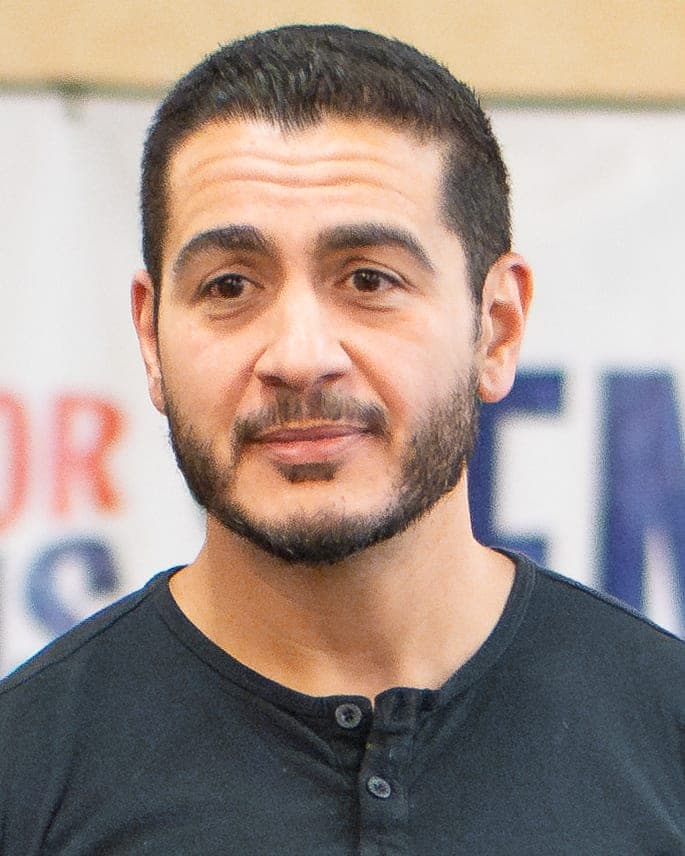
People in this story
SWIPE →

Former South Carolina senator whose death is described as opening a Senate seat

Michigan senator whose 2024 victory is cited as election context
Former Democratic Senate candidate in Michigan

Georgia senator mentioned in comparison with the Michigan race

President and endorser of Republican Senate candidate Mike Rogers

South Carolina representative and Republican candidate in a special primary
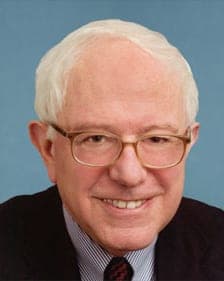
Senator who endorsed Abdul El-Sayed
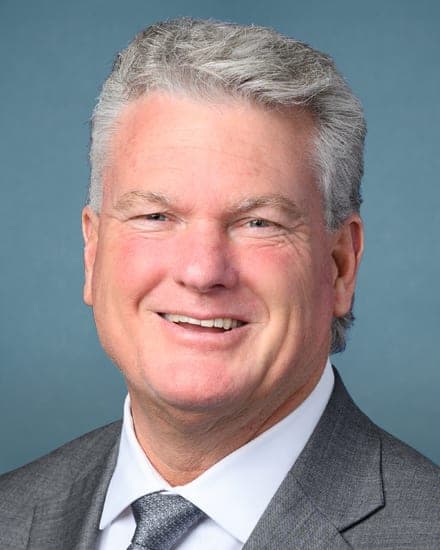
Republican challenger to Jon Ossoff
Republican Senate candidate in Michigan

South Carolina senator and Republican candidate in a special primary

Representative who endorsed Abdul El-Sayed

Michigan senator whose retirement opened the primary

Former Michigan senator whose 2018 reelection is cited as context
Haley Stevens’s opponent in the 2018 House race
Part of a bigger story
14 OUTLETSAbdul El-Sayed defeated Haley Stevens in Michigan’s Democratic Senate primary and will face Mike Rogers in November. Left-leaning outlets present El-Sayed’s win as part of a broader progressive primary success. Center outlets frame the contest as a test of Democrats’ direction and competing visions, while also looking ahead to the November race.
- ARTICLES
- 14
- OUTLETS
- 14
- AVG CRED
- 76
Discussion · 0
Loading comments…