Young authors bipartisan bill to harness the nation’s—and Indiana’s—biological resources
Young is leading a bipartisan proposal to collect biological data from public lands.
SOURCE CHECK
TAP FOR WHYCredibility rates Daily Journal, which carries this article. The other scores rate the article itself. The average of 3 rated stories from Daily Journal.
Credibility rates Daily Journal, which carries this article. The other scores rate the article itself. The average of 3 rated stories from Daily Journal.
HOW WE SCORE ↗The article explains the proposal’s structure and includes direct quotations from Young, but relies heavily on his account and a press release for support, with little independent assessment or opposing perspective.
HOW WE SCORE ↗The piece provides substantial detail about the bill and attributes its expected benefits to supporters, but includes no skeptical source or independent examination of potential concerns.
- Counterarguments presented — No opposing argument or critical source is included.
- Source diversity — Most claims and quotations come from Young or his office’s press release.
- Opinion vs reporting — The article is presented as reporting and generally attributes claims rather than asserting them as fact.
The article reports the bill’s goals and Young’s claims in largely neutral language, without a discernible partisan framing.
- Language tone — Mostly descriptive wording, with claims attributed to Young or supporters.
- Source selection — The article chiefly quotes Young and reports supporters’ views, but does not use overtly partisan language.
- Framing — Frames the proposal around research, economic potential and national security.
Also carried by
The same article also appears on THE INDIANA CITIZEN - THE INDIANA CITIZEN. Which outlet published it first has not been determined.
Sen. Todd Young and three congressional colleagues introduced the bipartisan America’s Living Library Act, which would create a public database of biological information from federal lands. Young said the project could support research, commerce and national security.
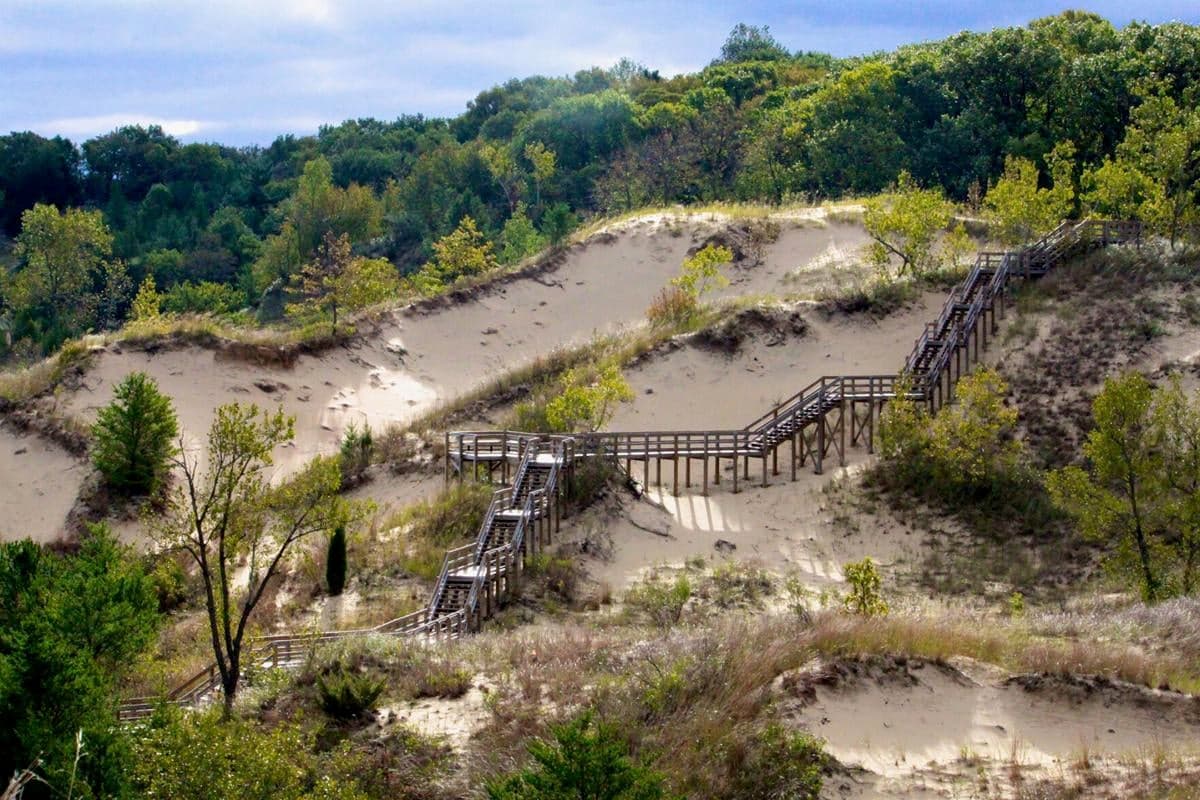
The bill would direct the Interior Department to collect, catalogue and sequence genomic information about animals, plants, fungi and microbes on public lands. The project would involve the U.S. Geological Survey and collaboration with the Agriculture Department and the Smithsonian Institution; participating parks could offer education and outreach about the data collected. The database would include datasets intended for use with artificial intelligence.
Young said Indiana’s biotech expertise and companies support the measure, and identified training enough people to carry out the project as its biggest obstacle. He said he had not heard meaningful resistance and hoped the proposal could be included in a national security bill such as the National Defense Authorization Act.
Community verdict
18 VOTES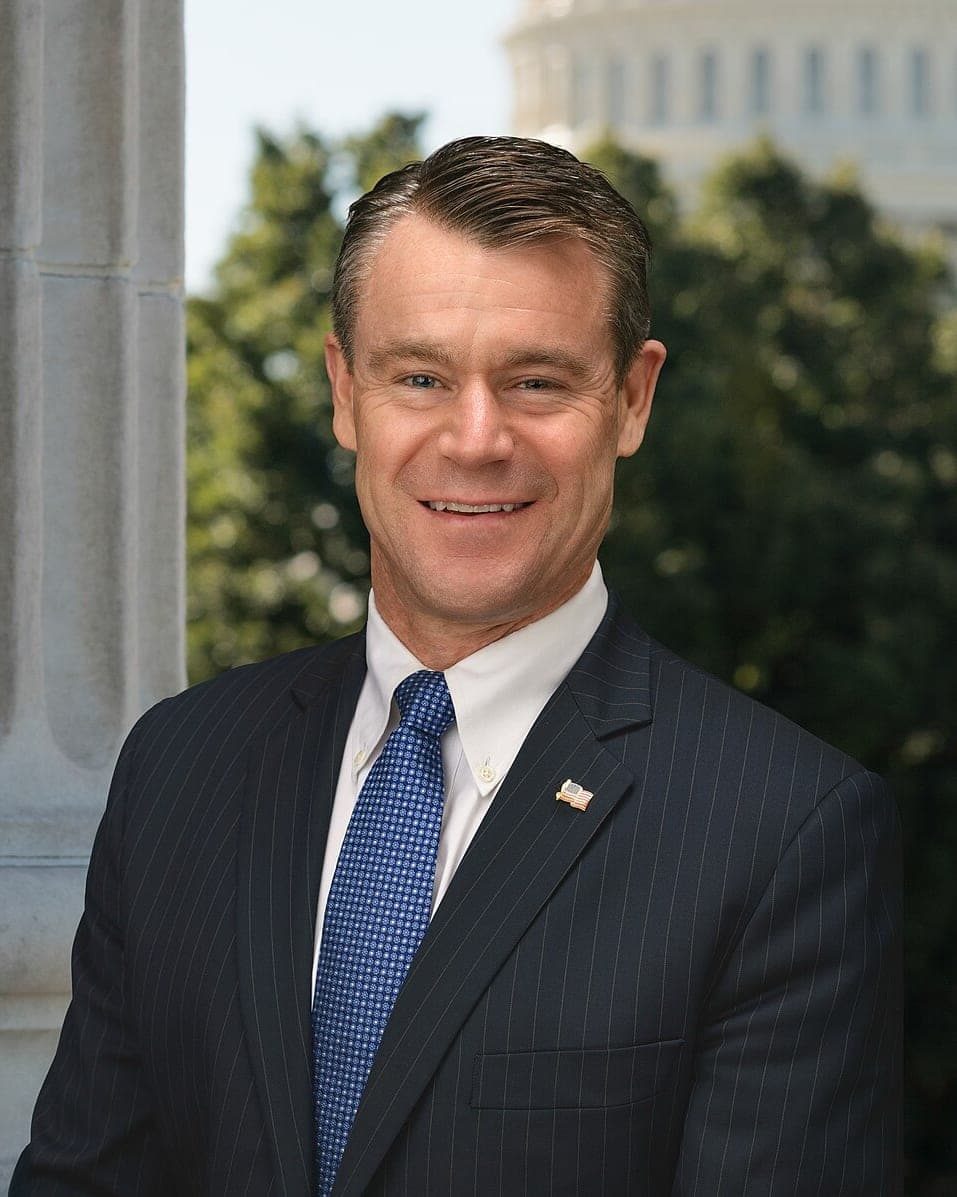
Counts every outlet’s report of this story. See all 2
Votes cast on this page
Votes cast on this page: ▲ 0 · ◆ 0 · ▼ 0
People in this story
SWIPE →Indiana senator and lead author of the America’s Living Library Act

President, whose administration’s AI plan is cited as context
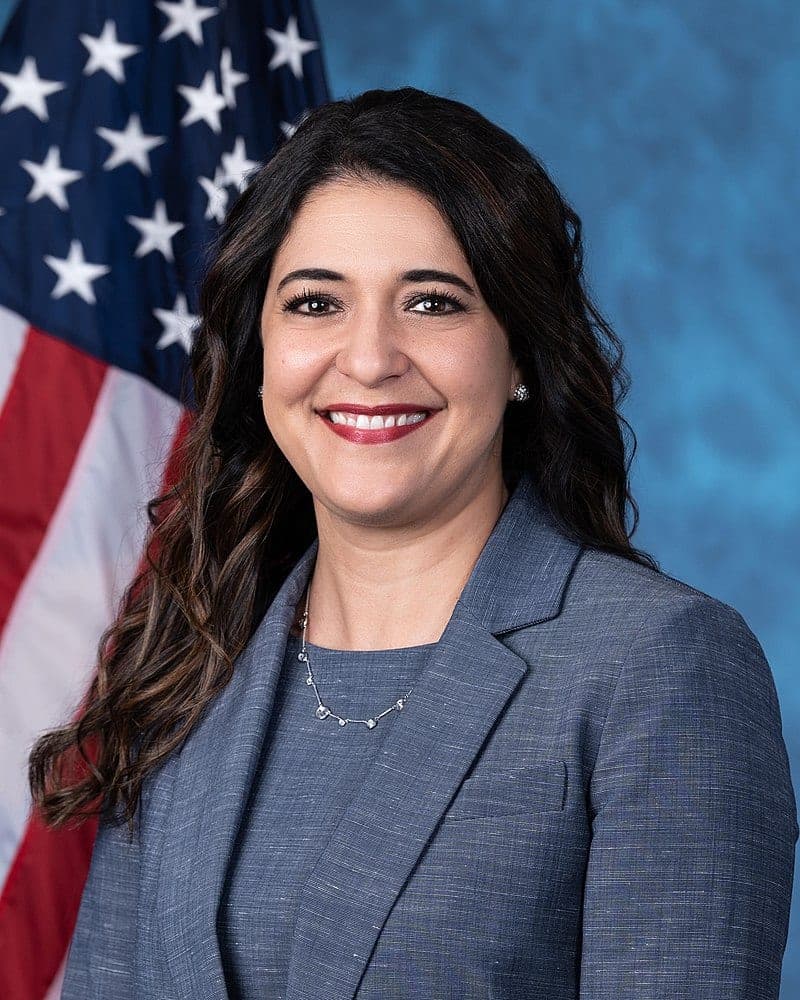
Oklahoma representative and coauthor of the bill
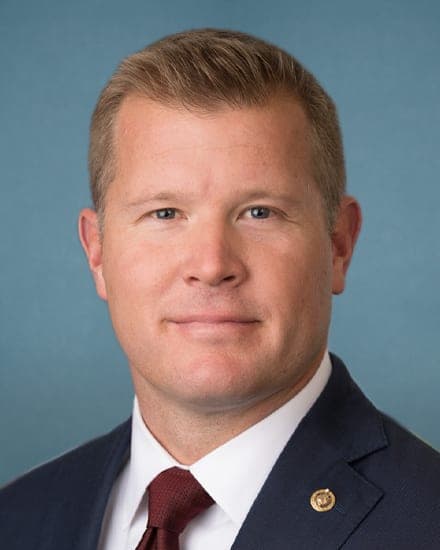
Montana senator cited as a Republican supporter of the bill
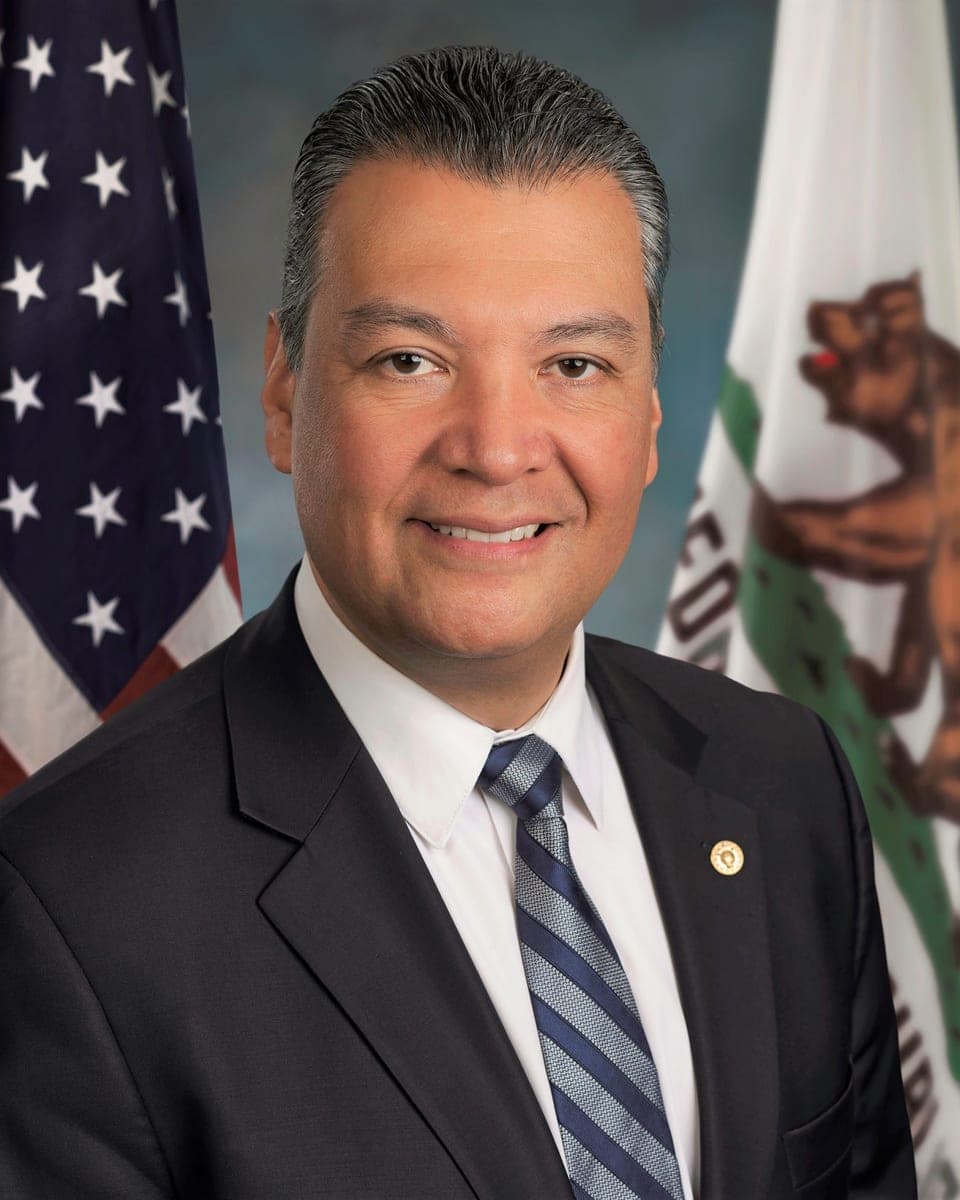
California senator and coauthor of the bill

Arkansas senator cited as a Republican supporter of the bill

California representative and coauthor of the bill
Part of a bigger story
1 OUTLET- ARTICLES
- 2
- OUTLETS
- 1
- AVG CRED
- —
Discussion · 0
Loading comments…