'We have 13 weeks': A ruptured Democratic Party now tries to unite behind Abdul El-Sayed
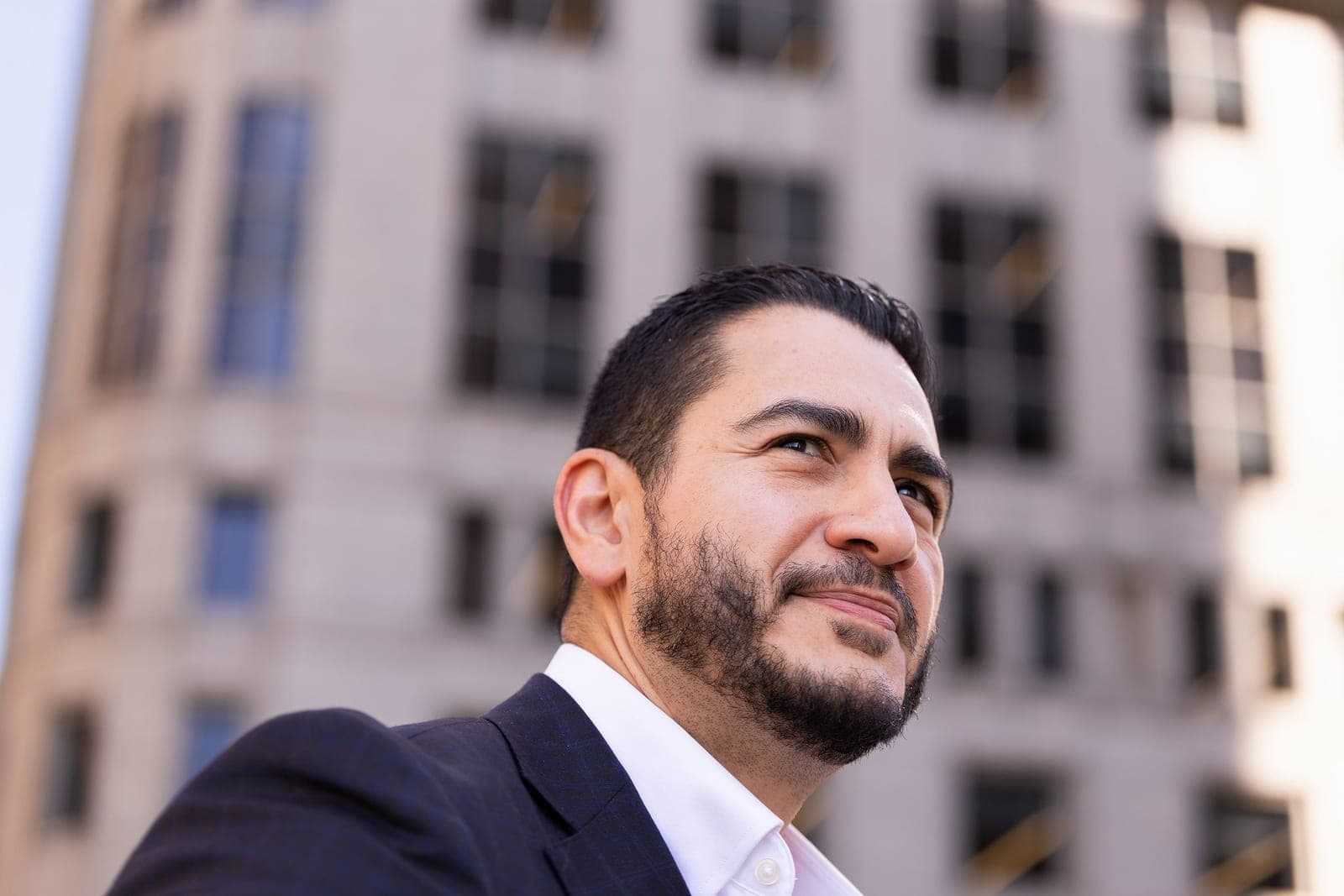
Abdul El-Sayed won the Democratic Senate primary, but party leaders and voters questioned whether the party could unite behind him.
SOURCE CHECK
TAP FOR WHYCNN is an established national newsroom with identifiable authorship and professional reporting standards. The article includes named sources and on-the-record quotes, alongside some anonymous accounts from Democratic leaders.
- Track record — Established national news organization with a substantial record of original reporting.
- Editorial standards — Professional newsroom standards support a strong institutional credibility assessment.
- Author attribution — A named reporter is credited.
- Transparency — The article identifies numerous sources, though some party leaders are quoted anonymously.
The article uses numerous named voters, political figures and direct quotations to document disagreements within the party. Some concerns are attributed to unnamed leaders, and the piece offers limited independent evidence for several characterizations of the campaign.
HOW WE SCORE ↗The article gives substantial space to both enthusiasm for El-Sayed and concerns about his campaign and positions, including comments from supporters, critics and party officials. Some leadership concerns are anonymous, and the story does not fully resolve the competing claims.
- Counterarguments presented — Presents both support for El-Sayed and reservations about his rhetoric and positions.
- Source diversity — Quotes candidates, party officials, voters and other political participants.
- Omitted context — Some concerns come from unnamed leaders, and the article provides limited independent verification of campaign claims.
- Loaded language — Occasional vivid descriptions are present, but much of the strongest language is attributed to sources.
The article reports the primary result and competing reactions in largely descriptive language. It includes criticism of El-Sayed as well as his and his supporters’ explanations, without a clear partisan framing.
- Language tone — Mostly descriptive, with some vivid terms attributed to sources or used to characterize the campaign.
- Source selection — Includes supporters, critics, voters, party officials and candidates.
- Framing — Centers on the challenge of party unity after the primary, rather than endorsing a candidate.
Abdul El-Sayed won Michigan’s Democratic Senate primary by 15,000 votes, but the article describes doubts among party leaders about whether Democrats can unite behind him against Mike Rogers in November.
El-Sayed’s narrow victory followed a divisive primary that featured disputes over Israel, campaign spending and his criticism of Haley Stevens. He acknowledged that he had said things during the campaign he would rather not have said, and said he and Stevens were coming together to defeat Rogers. Stevens and Mallory McMorrow both offered support after the result, with McMorrow endorsing him immediately.
Democratic organizers and leaders described efforts to unite the party, while some voters and party figures expressed reservations about El-Sayed’s positions and campaign rhetoric. Michigan Democratic chair Curtis Hertel said organizers were working across the state, and a Detroit unity rally was scheduled for Friday.
Community verdict
VOTING CLOSED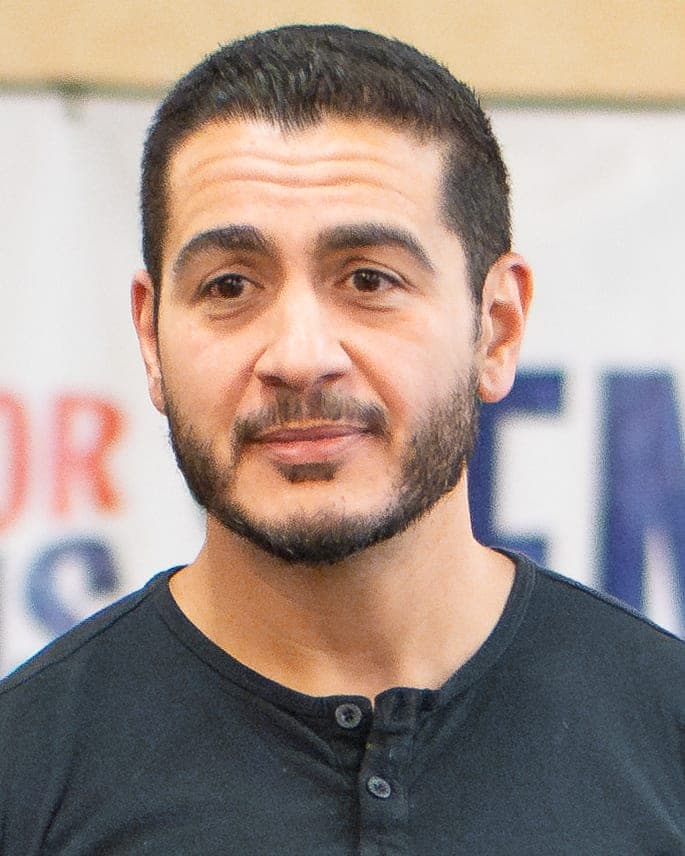
No good or bad look here
This story reports what happened without casting El-Sayed in a good or bad light, so readers don’t rate it and it doesn’t count toward El-Sayed’s record.
People in this story
SWIPE →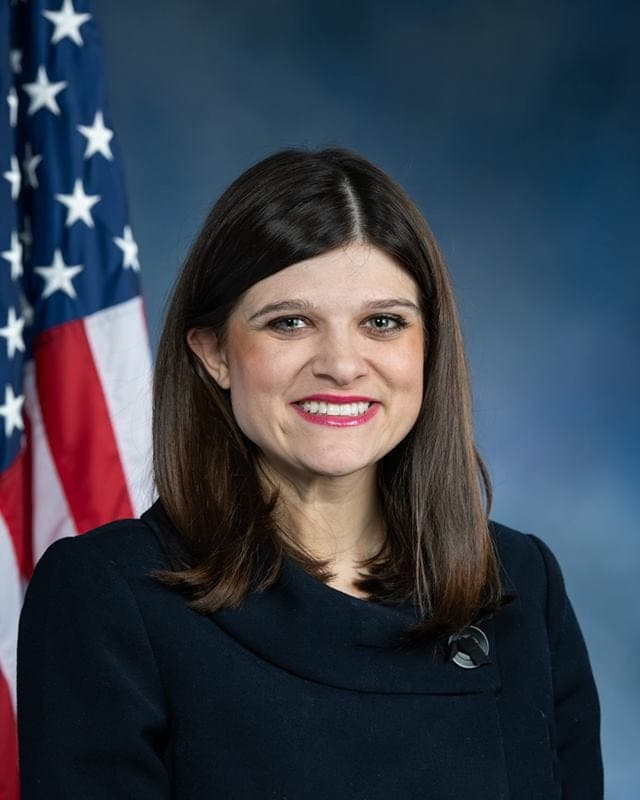
Democratic Senate primary candidate who lost to El-Sayed

Colorado House candidate who campaigned with El-Sayed
Democratic Senate primary candidate who endorsed El-Sayed after the result

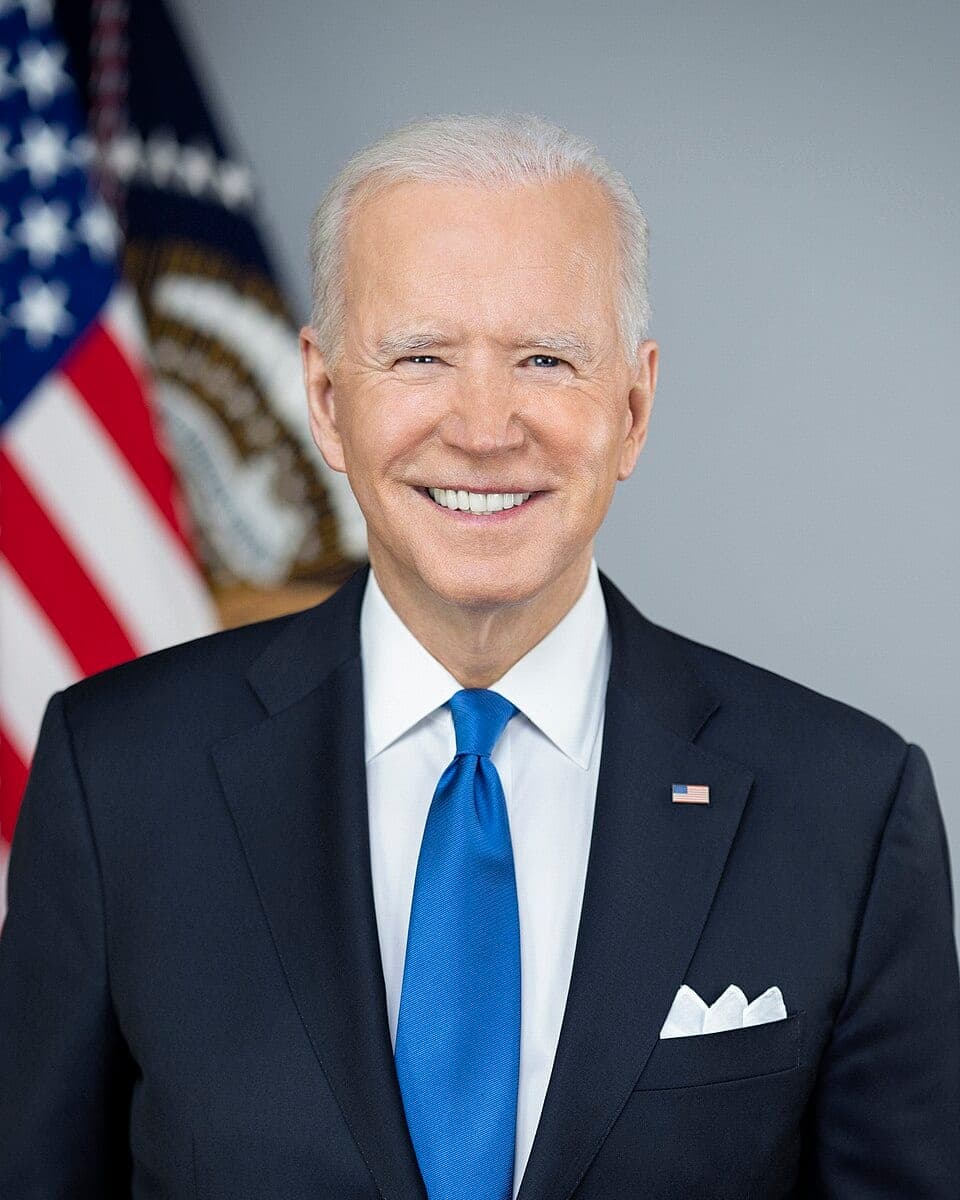
President who criticized El-Sayed
Former president referenced in the origins of Michigan’s Uncommitted movement
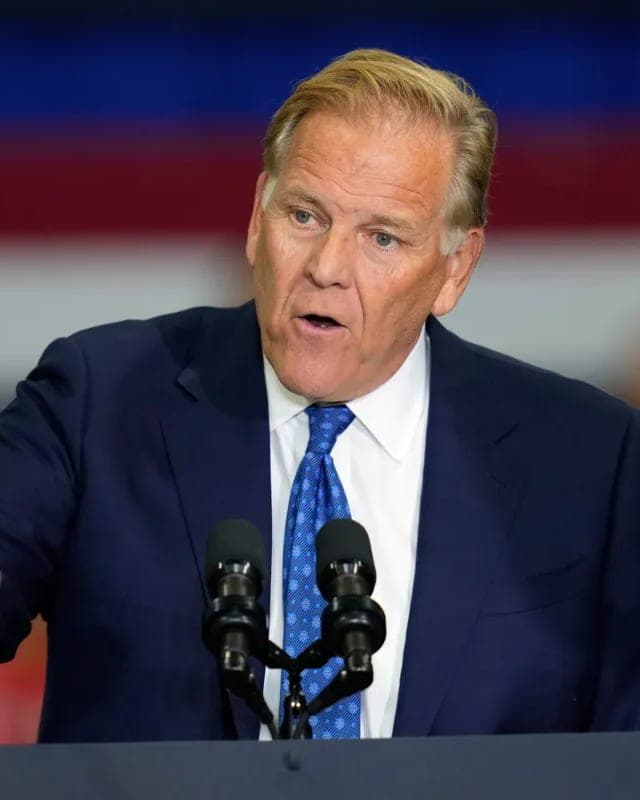
Republican Senate candidate and El-Sayed’s general-election opponent
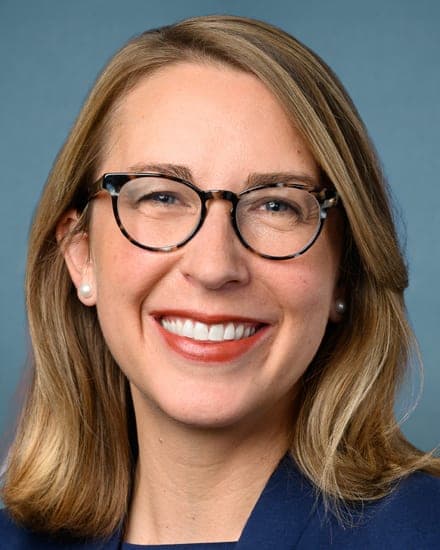
Michigan representative and Stevens supporter who criticized El-Sayed

Michigan transplant scheduled to headline a unity rally
Michigan Democratic Party chair discussing the party’s organizing efforts
Part of a bigger story
40 OUTLETSOutlets agree that Abdul El-Sayed won Michigan’s Democratic Senate primary over Haley Stevens and will face Republican Mike Rogers in November. Left-leaning outlets present the result as a progressive victory and a test of the party’s direction and unity. Center outlets focus on the nomination’s significance and questions about party unity and El-Sayed’s November appeal. Right-leaning outlets emphasize criticism of El-Sayed’s positions and portray his nomination as a potential Republican opportunity.
- ARTICLES
- 45
- OUTLETS
- 40
- AVG CRED
- 66
Discussion · 0
Loading comments…