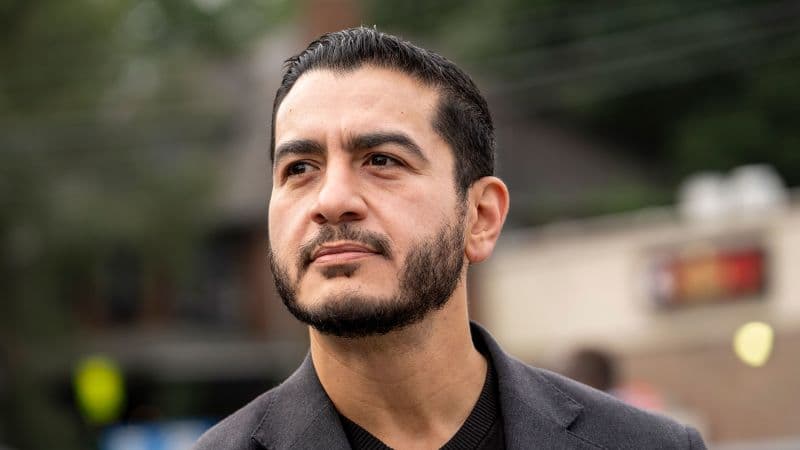
Abdul El-Sayed is certain he'll win Michigan's Senate race. Some key Democrats quietly aren't so sure
El-Sayed is campaigning for Michigan’s Senate seat as some Democratic leaders and voters question his outreach and chances.
SOURCE CHECK
TAP FOR WHYCNN is an established news organization, and the article has a named reporter and extensive original interviews. Its reporting includes anonymous sources and limited independent verification of some campaign claims.
- Source type — Established international news organization with a substantial reporting operation.
- Editorial standards — The article presents a reported account with claims generally attributed to speakers.
- Author attribution — A named reporter is credited.
- Transparency — The story identifies many interviewees, though some sources are anonymous.
The article draws on interviews with both candidates, elected officials, community leaders and voters, and includes direct quotations and concrete campaign details. Some criticism relies on anonymous sources, and the article does not independently substantiate every campaign claim.
HOW WE SCORE ↗The story includes competing perspectives from both campaigns and several community voices, and lets El-Sayed respond to concerns. Some key criticism is based on anonymous accounts, while the article offers less outside verification of campaign assertions.
- Source diversity — Quotes candidates, elected officials, community leaders, voters and an outside-group adviser.
- Counterarguments presented — El-Sayed's response and Rogers's campaign case appear alongside criticism of both campaigns.
- Omitted context — Some claims and anonymous accounts receive limited corroboration in the article.
- Loaded language — Charged terms are mostly quoted or attributed to campaigners and sources.
The article reports concerns about El-Sayed while also presenting his explanations and campaign appearances, and it gives Rogers space to describe his strategy. Its language and framing are broadly journalistic rather than clearly partisan.
- Language tone — Mostly descriptive language, with criticism and praise attributed to sources.
- Source selection — Includes both candidates, supporters and critics, though some Democratic concerns come from unnamed sources.
- Framing — Frames the race around Democratic doubts about El-Sayed while also describing Rogers's strategy and challenges.
- Headline — The headline emphasizes El-Sayed's confidence and doubts among Democrats, without a clearly ideological claim.
Abdul El-Sayed says he is confident he will win Michigan’s Senate race, but some Democratic leaders and voters remain concerned about his outreach and appeal. Republican Mike Rogers is campaigning as an alternative while both candidates seek support ahead of the election.
El-Sayed predicted a seven-point victory, but his narrow primary win over Haley Stevens and concerns among some Black and Jewish voters have left Democratic leaders privately worried about his campaign. Some community members said they wanted more outreach; El-Sayed defended his efforts and said voters deserve a senator who listens.
The article describes El-Sayed’s campaign appearances and policy themes, including Medicare for All, and his efforts to win support from voters concerned about his views on Israel. Rogers is relying on a comparatively low-profile campaign, endorsements and outside spending, while criticizing El-Sayed as extreme. Both candidates discuss President Donald Trump’s role in the race.
Community verdict
VOTING CLOSED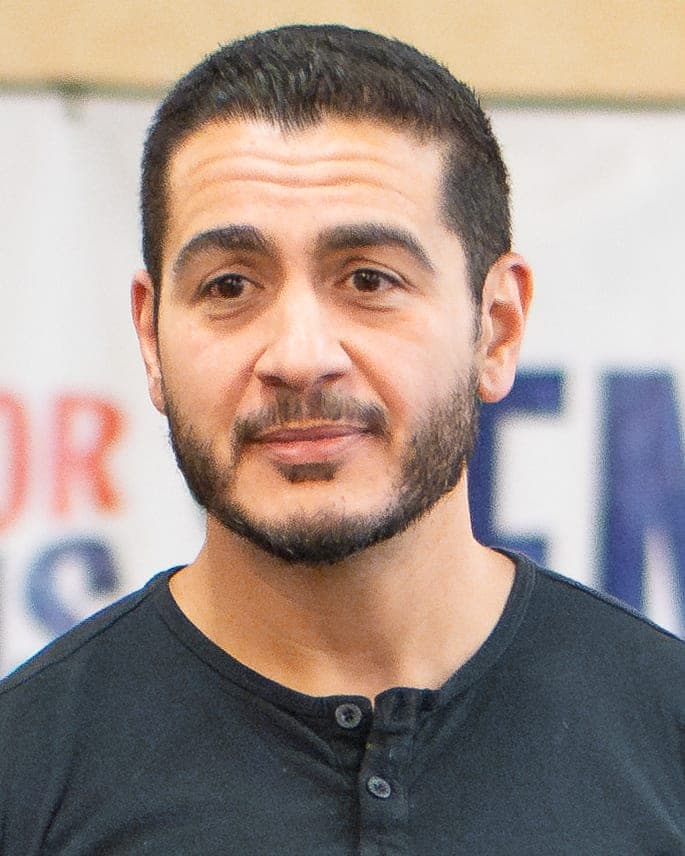
No good or bad look here
This story reports what happened without casting El-Sayed in a good or bad light, so readers don’t rate it and it doesn’t count toward El-Sayed’s record.
People in this story
SWIPE →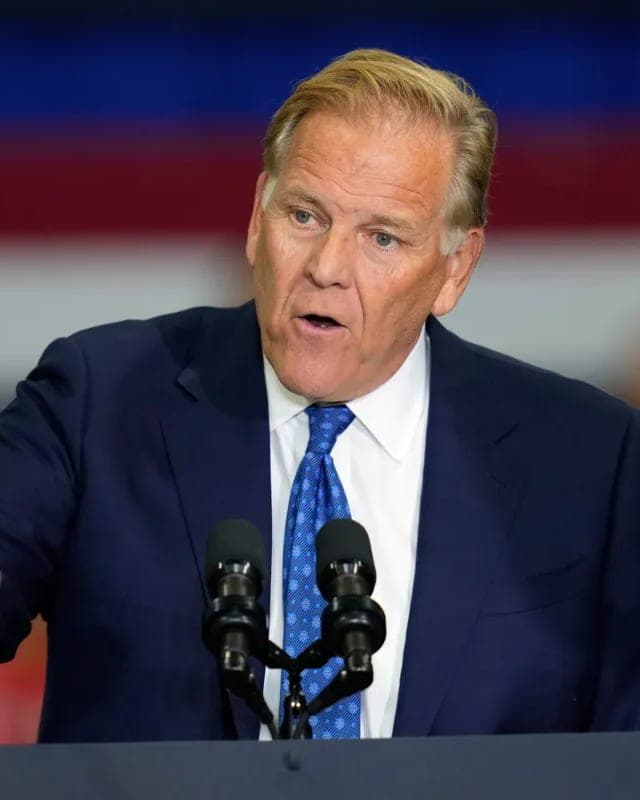
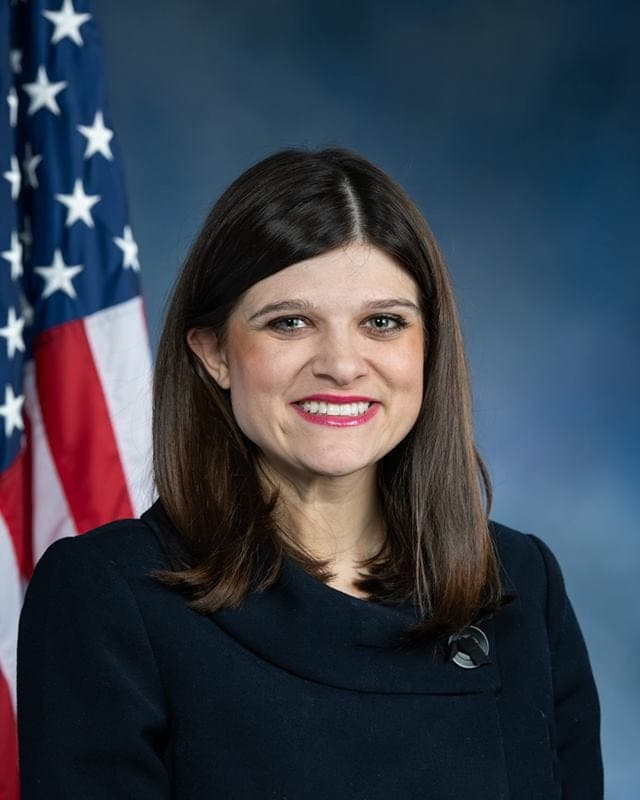
Representative and former Democratic primary opponent
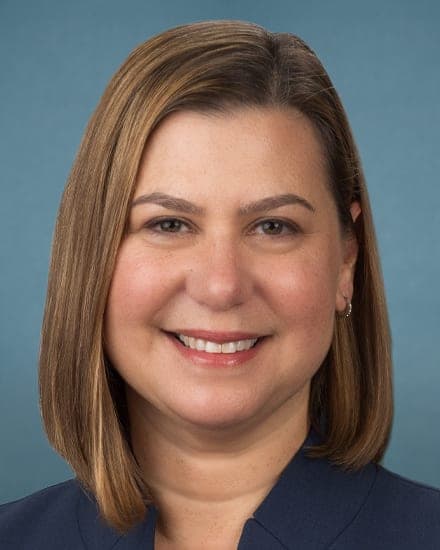
Senator who appeared at a campaign event with El-Sayed
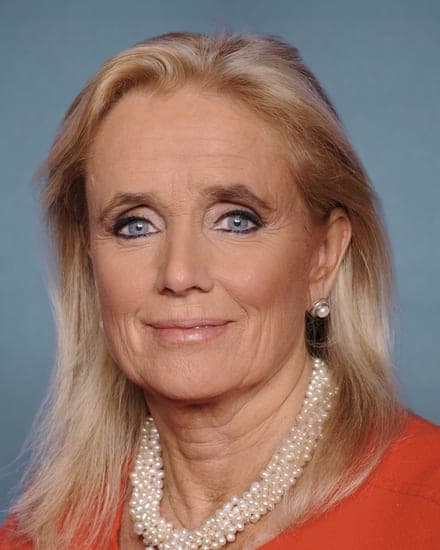
Representative and supporter of El-Sayed

President of the United States
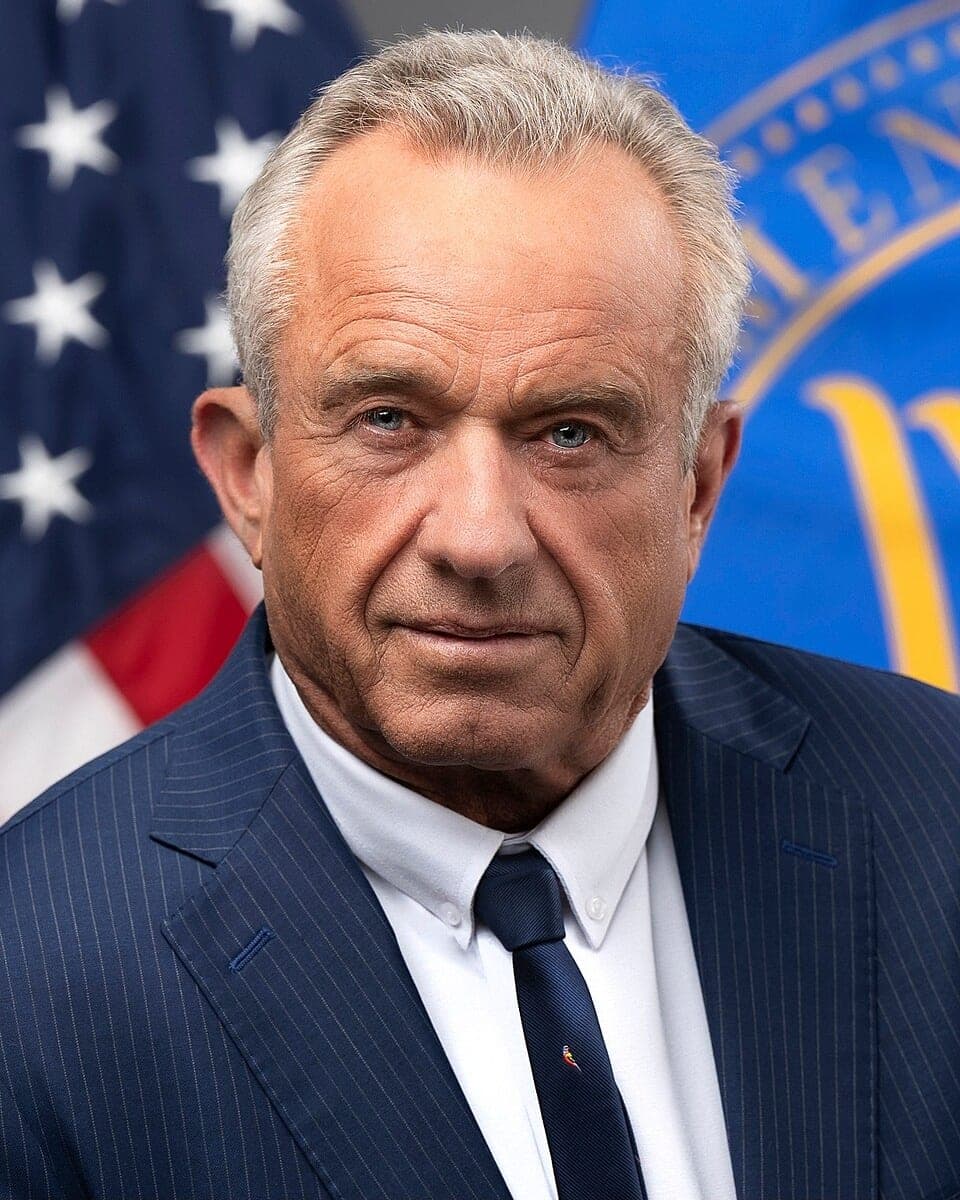
Secretary of Health and Human Services
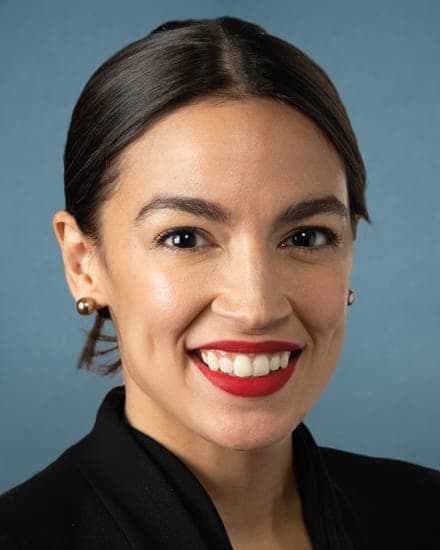
Representative who held a fundraiser with El-Sayed
Chair of the Michigan Democratic Party
Part of a bigger story
30 OUTLETSOutlets agree that Barack Obama plans to campaign with Michigan Senate candidate Abdul El-Sayed at a Detroit rally on Oct. 24. Left-leaning outlets present his alliances as compatible with past disagreements and shared priorities. Center outlets largely treat the appearance as campaign news, adding race context and, in some coverage, questions about El-Sayed’s support or past criticism of Obama. Right-leaning outlets more often cast the visit as a rescue for a vulnerable campaign and emphasize criticism of El-Sayed, including past remarks and other campaign controversies.
- ARTICLES
- 34
- OUTLETS
- 30
- AVG CRED
- 65
Discussion · 0
Loading comments…