How an FCC 'equal time' letter to ABC pressured CBS into intervening with Colbert
Talarico’s interview and his response to CBS’s decision drew attention during the Texas Senate primary.
SOURCE CHECK
TAP FOR WHYCNN is an established national newsroom with professional editorial practices and identifiable reporting. The article attributes claims to named sources and distinguishes them from its own reporting, though some sourcing is anonymous and Carr did not respond.
- Source type — Established national news organization with a substantial reporting operation.
- Author attribution — The article names its author and attributes statements to identified speakers and organizations.
- Editorial standards — The reporting distinguishes confirmed information, attributed claims, and the article’s correction of Talarico’s claim.
- Transparency — Some relevant sourcing is anonymous, and the FCC chair did not respond to requests for comment.
The article gives useful context about the equal-time rule, identifies the decision-makers, quotes CBS and critics, and corrects Talarico’s claim. Some key details rely on unnamed sources, and the FCC chair’s perspective is absent.
HOW WE SCORE ↗The article includes CBS’s explanation, a network source’s defense of its programming, critics’ views, and context on the FCC’s authority. Balance is limited by the lack of a direct response from Carr and the emphasis on critics’ characterization of the enforcement effort.
- Source diversity — Includes comments from CBS, a network source, a media critic, and a First Amendment organization’s counsel.
- Counterarguments presented — The article explains the rule and FCC enforcement limits, but does not provide Carr’s response.
- Loaded language — Charged language appears mainly in attributed remarks, though it contributes to the article’s framing.
- Omitted context — Carr’s rationale is not directly represented, and the article notes that he did not respond.
The article’s framing gives substantial weight to claims that FCC enforcement is political intimidation, while also describing the rule and its enforcement limits. Its language and source selection tilt mildly critical of the Trump administration and the FCC chair.
- Framing — The article foregrounds concerns that FCC action pressured CBS into complying in advance.
- Language tone — It includes charged descriptions such as “bullies” and “politically motivated intimidation,” attributed to critics or Colbert.
- Source selection — Critics of Carr are quoted, while Carr did not respond to the request for comment.
- Omission — The article explains the rule and enforcement limits but offers little direct defense of Carr’s approach.
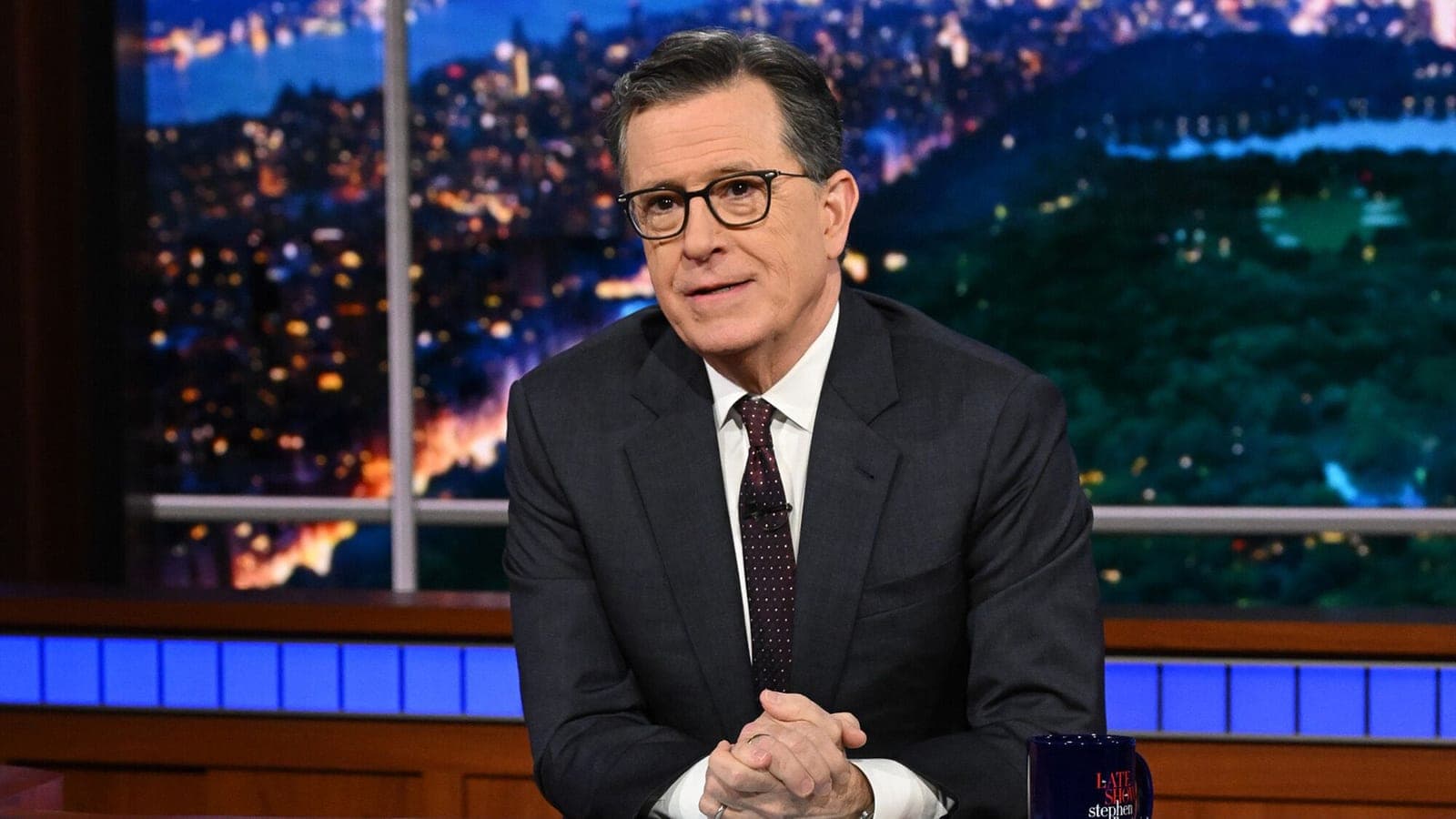
CBS lawyers intervened in Stephen Colbert’s interview with Texas Senate candidate James Talarico after an FCC inquiry into ABC raised concerns about equal-time rules. Talarico incorrectly said Trump’s FCC had refused to air the interview; his campaign later reported record fundraising after the controversy.
CNN reports that CBS lawyers contacted Colbert’s show during a taping after an FCC inquiry into ABC’s “The View” heightened concern that the equal-time rule could apply to late-night interviews. Colbert said CBS told him to comply with the rules, while CBS described the communication as legal guidance. The article explains that FCC rules apply to broadcast stations, not cable or streaming platforms, and that the rules have traditionally been understood to exempt news coverage and talk shows. FCC Chair Brendan Carr has signaled more aggressive enforcement, according to the article; he did not respond to CNN’s request for comment.
Talarico said on X that Trump’s FCC “refused to air” his interview, a claim the article says was incorrect because CBS made the decision. His campaign said the interview’s YouTube video drew millions of views and reported raising $2.5 million in the following 24 hours, a single-day record for the campaign. The article also describes the FCC inquiry into ABC and the debate over whether equal-time enforcement is being used to pressure broadcasters.
Community verdict
3 VOTES
Counts every outlet’s report of this story. See all 66
- Readers of left-leaning coverage: not enough votes yet
- Readers of right-leaning coverage: 0% good look
Votes cast on this page
Votes cast on this page: ▲ 0 · ◆ 0 · ▼ 0
People in this story
SWIPE →Texas Senate candidate whose Colbert interview prompted the equal-time controversy
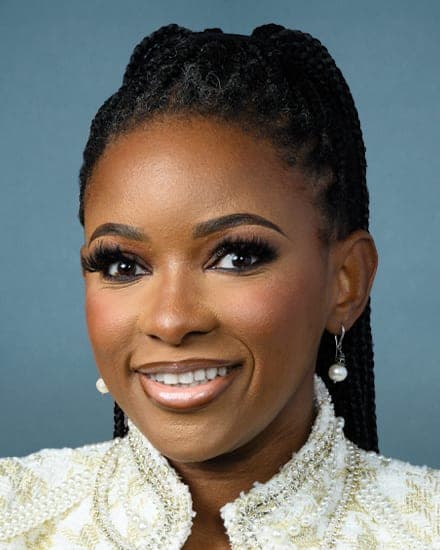
Texas Senate candidate and another candidate whose prior appearances are discussed

President whose administration and public comments are discussed as context for the FCC controversy
Texas Senate candidate identified as the third candidate potentially entitled to equal time
Part of a bigger story
32 OUTLETSStephen Colbert’s interview with Texas Senate candidate James Talarico did not air on CBS television and was later posted online. Coverage centers on CBS’s equal-time guidance and disagreement over whether it barred the broadcast or led the show to choose not to air it. Left-leaning outlets frame the decision as political pressure on speech and note the interview’s online reach and possible campaign benefit. Center outlets focus on competing accounts of CBS’s equal-time guidance, while some track the interview’s reach and fundraising. Right-leaning outlets emphasize CBS’s account of legal guidance and challenge claims that the FCC or Trump stopped the interview.
- ARTICLES
- 66
- OUTLETS
- 32
- AVG CRED
- 64
Discussion · 0
Loading comments…