House takes major step toward forcing Trump's DOJ to release Epstein files after GOP worked for months to quash effort
Trump said he would sign the bill after previously opposing efforts to release the files.
SOURCE CHECK
TAP FOR WHYCNN is an established national news organization, and this report identifies its author and attributes statements to named officials and lawmakers. The article provides specific vote figures and describes the legislative process, though the page itself offers limited detail about CNN's corrections practices.
- Source type — Established national news organization with a substantial reporting operation.
- Editorial standards — The report attributes claims and quotations to named officials and lawmakers and gives a specific vote tally.
- Author attribution — The article names Sarah Ferris as its author.
- Correction history — No corrections policy or correction record is evident in the article text.
The report gives a precise House tally, describes the Senate's action, and includes statements from supporters and an opponent who raised privacy concerns. It is mainly an account of the vote and political maneuvering, with limited independent detail about the bill's provisions or how the files would be released.
HOW WE SCORE ↗The report gives substantial attention to the bill's supporters and the reversal by its earlier opponents, while also including Higgins's argument that the measure could harm innocent people. It does not provide much detail on the bill's specific safeguards or the broader arguments on file disclosure.
- Counterarguments presented — Higgins's privacy and criminal-procedure objection is quoted, and Johnson's stated concern about victim privacy is described.
- Source diversity — Includes statements from lawmakers across parties and a White House official.
- Omitted context — Offers limited explanation of the bill's text, safeguards, and the implications of releasing the files.
- Loaded language — Some language is pointed, but most claims are attributed or tied to the reported political dispute.
The article uses a largely straight-news account, with attributed criticism and support from both sides of the dispute. Its descriptions of Republican efforts to stop the measure are pointed but grounded in the reported sequence of events.
- Language tone — Mostly factual reporting, with sharper phrases such as describing efforts to stop the bill as working to quash it.
- Framing — Emphasizes the reversal by Trump and Republican leaders, but reports the opposing privacy argument as well.
- Source selection — Includes supporters of the bill, its sole House opponent, and Republican leaders' stated concerns.
The House passed a bill directing the Justice Department to release its Jeffrey Epstein investigative files, by a 427-to-1 vote, and the Senate passed it by unanimous consent. The measure is headed to President Donald Trump, who said he would sign it, after months of opposition from Trump and Republican leaders.
The House passed the measure 427 to 1, and the Senate passed it by unanimous consent. The bill would require the Justice Department to publicly release its investigative files on Jeffrey Epstein. Trump said he would sign it, and a senior White House official said he would do so once it reached the White House. The article also reported that Rep. Clay Higgins opposed the bill, arguing it could expose innocent people and harm their privacy.
Rep. Thomas Massie led the effort with Democratic Rep. Ro Khanna, while Rep. Adelita Grijalva supplied the final signature needed to force the bill to the House floor. Speaker Mike Johnson and other Republican leaders had worked to stop or slow the measure, but ultimately supported it. Senate Majority Leader John Thune did not block a request from Minority Leader Chuck Schumer to pass the bill without amendment.
Community verdict
16 VOTES
Counts every outlet’s report of this story. See all 55
- Readers of left-leaning coverage: 77% good look
- Readers of right-leaning coverage: not enough votes yet
Votes cast on this page
Votes cast on this page: ▲ 0 · ◆ 0 · ▼ 0
People in this story
SWIPE →President who relented on the bill and said he would sign it

Representative who led the effort to require release of the Epstein investigative files
Massie's version of this story ↗
Speaker who had tried to stop or slow the bill before supporting it
Johnson's version of this story ↗
Representative who cast the lone vote against the bill

Attorney general whose earlier remarks about an Epstein client list are recounted
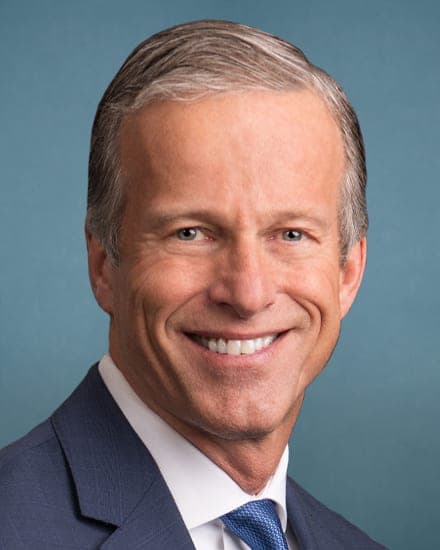
Senate majority leader who did not block the request to pass the bill by unanimous consent

Representative who joined the push to release the files

Representative whose signature provided the final support needed to advance the bill
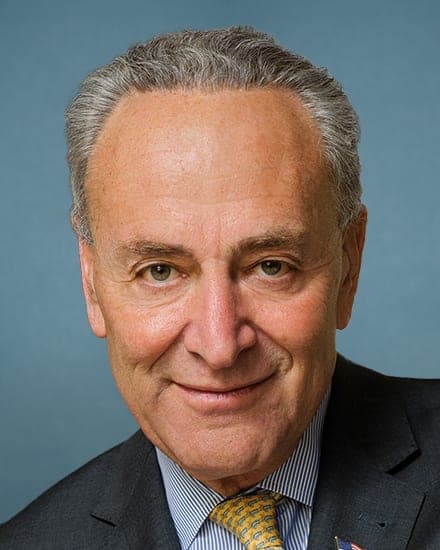
Senate minority leader who requested unanimous consent to pass the bill

Representative who supported the bill

Representative who partnered with Massie on the effort to bring the bill to the floor

House Judiciary Committee chair who said he would vote for the measure
Part of a bigger story
42 OUTLETSCongress passed a bill requiring the Justice Department to release Epstein-related files, with the House and Senate both approving it. Trump, who had opposed the effort, later urged Republicans to support it. Left-leaning outlets frame passage as overcoming resistance to disclosure and as a rebuke to Trump. Center outlets mainly track the votes and Trump's reversal, with some describing passage as a political rebuke. Right-leaning outlets foreground Trump's eventual backing and, in some articles, partisan conflict around the measure.
- ARTICLES
- 55
- OUTLETS
- 42
- AVG CRED
- 70
- Boulder Daily Camera · Page: Epstein case exposes divisions in MAGA unity, but for a good cause
- Jefferson City News Tribune · Republicans hyped Epstein files for years — now Trump's under pressure to deliver
- Yahoo News · Trump officials say president is plotting new wave of retribution after Epstein bill vote: 'Democrats are going to come to regret this'
Discussion · 0
Loading comments…