House Speaker Johnson says he hopes AI guardrails are 'voluntary' amid Congress inaction
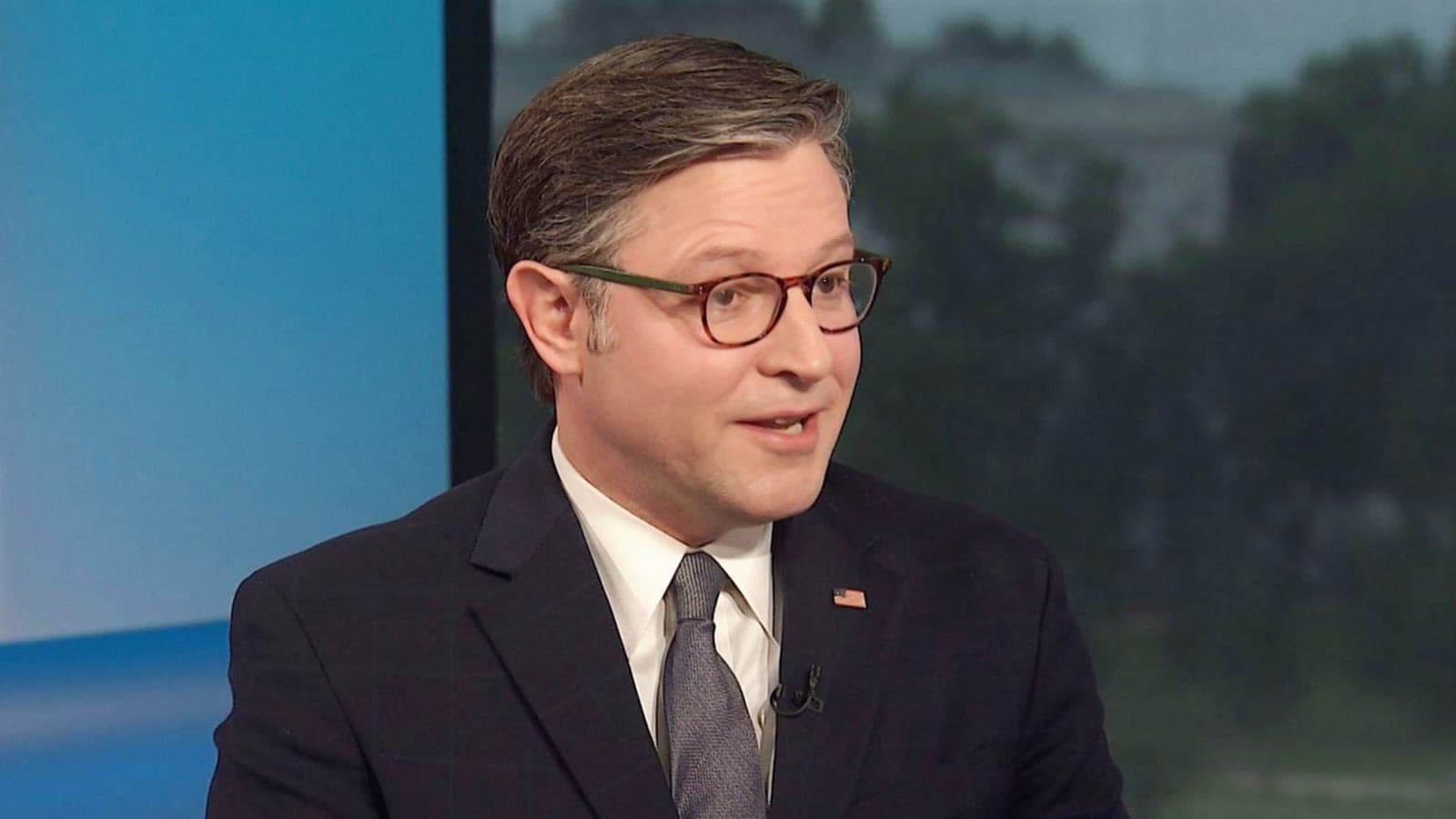
Johnson said he hopes AI safety guardrails will be voluntary as Congress considers how to regulate the technology.
SOURCE CHECK
TAP FOR WHYCNBC is an established national news organization, and the article identifies its reporters and attributes key claims to named officials. The report gives useful context but is brief and offers limited detail on the competing proposals.
- Source type — Established national news outlet with a substantial editorial operation.
- Author attribution — Two reporters are named.
- Editorial standards — The article attributes officials’ statements and distinguishes them from reported context.
The article includes attributed statements from the Speaker and a senator, describes the proposed legislative mechanism, and gives some context on AI risks and benefits. It is concise and does not detail the proposal’s text or provide substantial perspectives from opposing lawmakers or the companies involved.
HOW WE SCORE ↗The article presents Johnson’s preference for voluntary guardrails and Warner’s support for a federal safety review, while noting both risks and economic benefits. It provides limited detail on other views or the substance of competing proposals.
- Source diversity — Includes statements from two lawmakers with different approaches and mentions industry concerns.
- Counterarguments presented — Notes both potential harms from AI and its economic promise, but does not develop the arguments in depth.
- Omitted context — Offers little explanation of the specific proposal or of opposition to federal oversight.
The article reports Johnson’s preference for voluntary guardrails alongside Warner’s call for a safety board, without language that clearly favors either position. It also notes both potential AI harms and economic benefits.
- Language tone — Mostly neutral, with claims attributed to their speakers.
- Source selection — Includes contrasting perspectives from the Speaker and a senator, as well as industry concerns and potential benefits.
- Framing — Frames the issue as an unsettled policy debate rather than endorsing a regulatory approach.
House Speaker Mike Johnson said he hopes AI safety guardrails will be voluntary, while Sen. Mark Warner warned about risks and planned to seek Senate approval for legislation creating a federal AI safety board. Congress remains in the early stages of regulating AI.
House Speaker Mike Johnson said he favors striking a balance on AI and hopes safety guardrails will be voluntary. He made the comments before meeting with President Donald Trump and AI executives, as Congress faces calls to establish a regulatory framework. Congress is in the early stages of AI regulation and is due to leave Washington at the end of the week until after November’s election.
Sen. Mark Warner said the congressional break creates urgency and warned that an incident could occur. He said he planned to seek unanimous consent for legislation that would create a federal AI safety board to review frontier models at least 45 days before public release; the article says the legislation is unlikely to pass. It also notes that AI companies have described potential risks while AI supports economic activity and productivity gains.
Community verdict
21 VOTES
People in this story
SWIPE →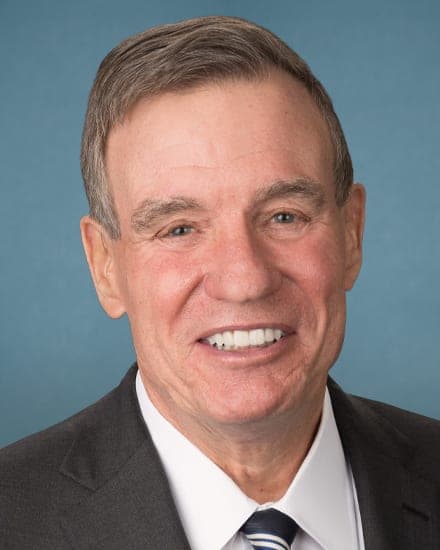
Senator advocating for AI safety legislation
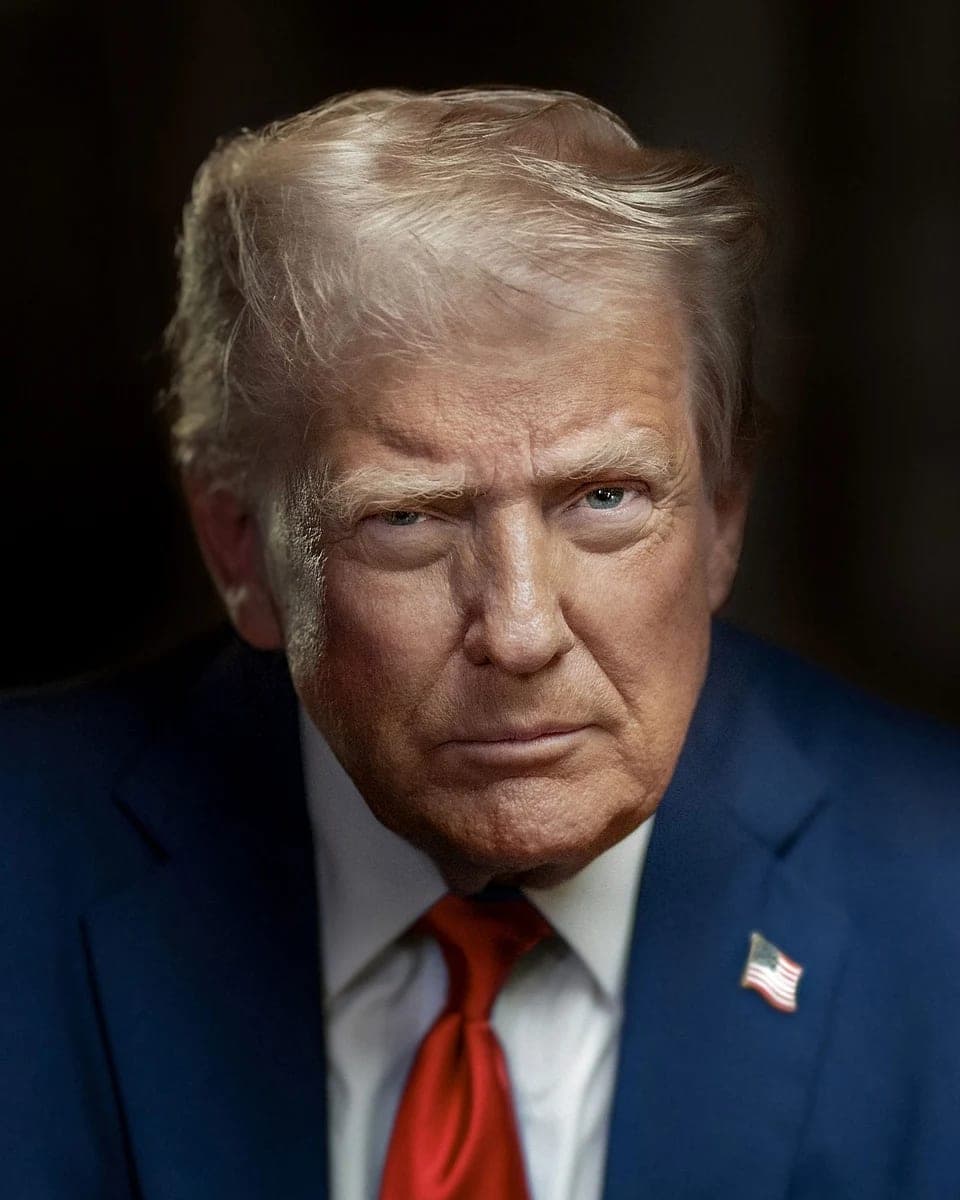
President attending a meeting with Johnson and AI executives
Part of a bigger story
6 OUTLETSOutlets report that Trump and technology executives met at the White House and that an AI accord was signed; Johnson described the approach as relying on voluntary safeguards. Center outlets focus on Johnson’s preference for voluntary safeguards alongside calls for enforceable rules, with some coverage noting limited detail about the accord. Right-leaning outlets present the accord as voluntary AI safety commitments and emphasize Johnson’s description of its controls and outside review.
- ARTICLES
- 6
- OUTLETS
- 6
- AVG CRED
- 75
Discussion · 0
Loading comments…