House blocks Rep. Rashida Tlaib's war powers resolution on Lebanon
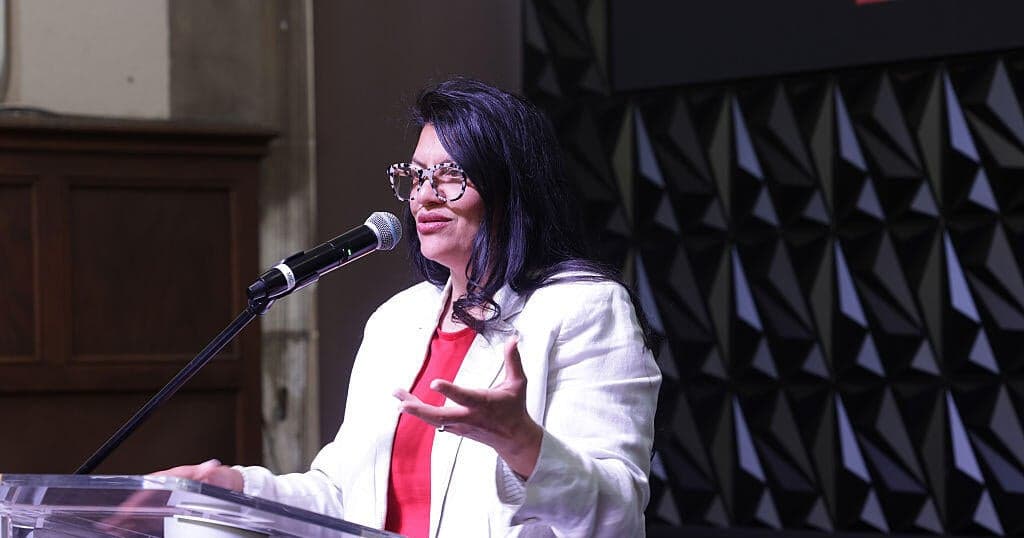
Tlaib introduced the resolution and argued that the United States was participating in Israel’s assault on Lebanon.
SOURCE CHECK
TAP FOR WHYCBS News is an established national news organization, and this report identifies its author and attributes statements to named lawmakers. The article provides the vote tally and competing views, though it offers limited independent context.
- Source type — Established national news outlet with a record of original reporting.
- Author attribution — A named reporter is credited.
- Editorial standards — The report attributes political claims to the lawmakers who made them and includes opposing positions.
- Transparency — The article presents a specific vote tally and identifies the principal participants.
The report gives the vote outcome, describes the competing resolution language, and includes statements from lawmakers on different sides. It relies heavily on politicians’ statements and provides limited independent context about the military situation or the measures’ likely effects.
HOW WE SCORE ↗The article reports the Democratic leaders’ position, Tlaib’s arguments, and Republican objections. It provides less independent context or detail about the competing claims, keeping the report mostly but not fully balanced.
- Counterarguments presented — Republican lawmakers’ objections to the resolution appear alongside Tlaib’s arguments.
- Source diversity — The report includes multiple lawmakers from both parties, though not outside or independent sources.
- Loaded language — Strong language is attributed to speakers rather than adopted as the article’s own voice.
The article uses predominantly factual language, attributes lawmakers’ claims, and reports both support for a revised measure and objections to Tlaib’s approach. Its framing does not clearly favor a political side.
- Language tone — Mostly neutral reporting language; charged descriptions appear in attributed quotations.
- Source selection — Includes statements from Democratic leaders and comments from Republican lawmakers.
- Framing — Centers on the failed vote and the dispute over the resolution’s language.
The House rejected Rep. Rashida Tlaib’s resolution directing the president to remove U.S. forces from Lebanon, after Democratic leaders opposed that version and backed a revised measure. The debate included sharp exchanges over U.S. involvement and Tlaib’s position on Hezbollah.
The House rejected Tlaib’s resolution by a 92-to-324 vote, with two members voting present. The measure would have directed the president to remove U.S. armed forces from Lebanon within seven days. Democratic leaders said they preferred an updated resolution, introduced by Tlaib, that they described as a better vehicle for keeping U.S. troops out of Lebanon.
Tlaib said the United States was participating in Israel’s assault on Lebanon and accused the Trump administration of supporting Israeli military operations. Rep. Brian Mast argued that U.S. forces were not in conflict in Lebanon, while Rep. Max Miller accused Tlaib of supporting terrorists; Tlaib objected, and Miller’s words were ultimately stricken from the Congressional Record.
Community verdict
25 VOTES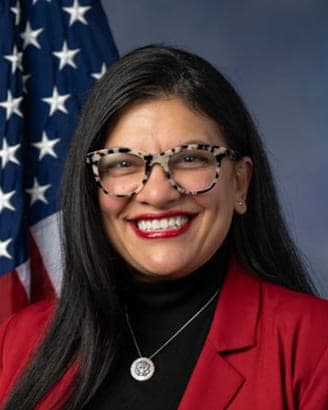
People in this story
SWIPE →Introduced the Lebanon war powers resolution and argued against U.S. involvement in the conflict.
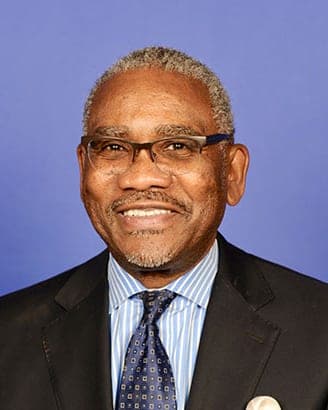
Top House Democrat on Foreign Affairs who supported the updated resolution.

President whose authority to use U.S. forces in Lebanon was the target of the resolution.
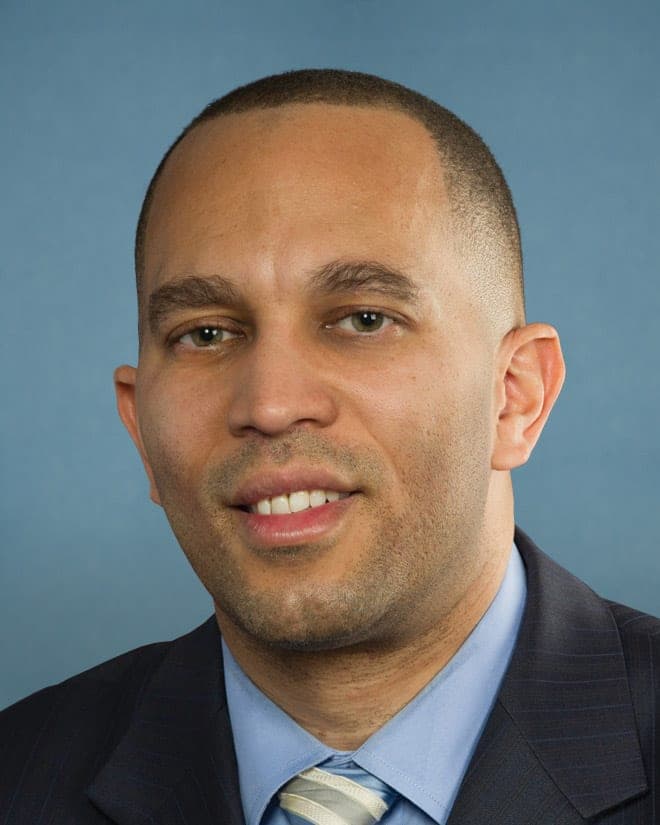
House Minority Leader who opposed the initial resolution and backed a revised version.

House Foreign Affairs Committee chair who argued against removing U.S. forces from Lebanon.
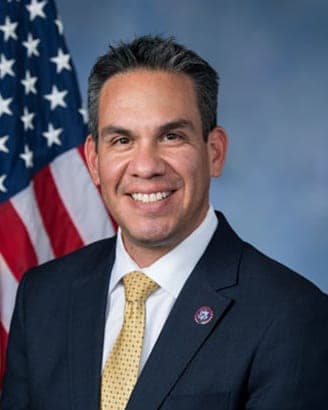
House Democratic Caucus Chair who opposed the initial resolution and backed a revised version.
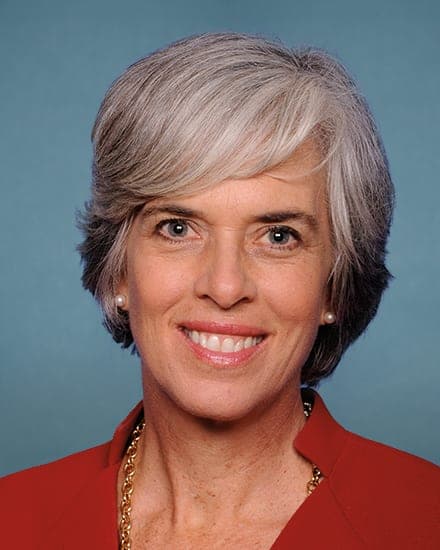
House Democratic Whip who opposed the initial resolution and backed a revised version.
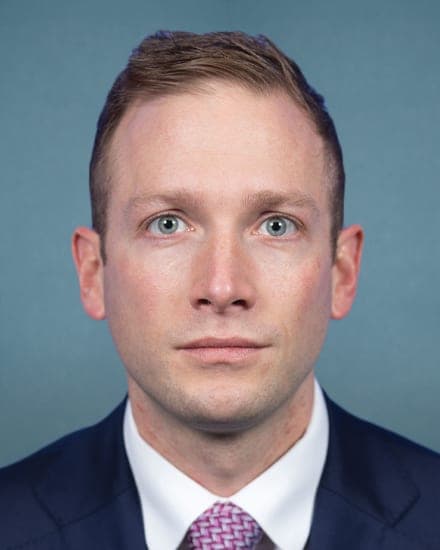
Republican representative who accused Tlaib of supporting terrorists during the House debate.
Part of a bigger story
6 OUTLETSThe House rejected Rashida Tlaib’s resolution directing U.S. forces to leave Lebanon. Left-leaning outlets place the vote in a broader critique of Democrats’ military-policy positions. Center outlets report the rejection alongside debate over U.S. involvement and Tlaib’s position on Hezbollah. Right-leaning outlets emphasize Democratic divisions, with some focusing on the Hezbollah omission and others on whether U.S. troops were fighting in Lebanon.
- ARTICLES
- 6
- OUTLETS
- 6
- AVG CRED
- 63
Discussion · 0
Loading comments…