Rashida Tlaib's resolution to pull US troops from Lebanon blocked by House
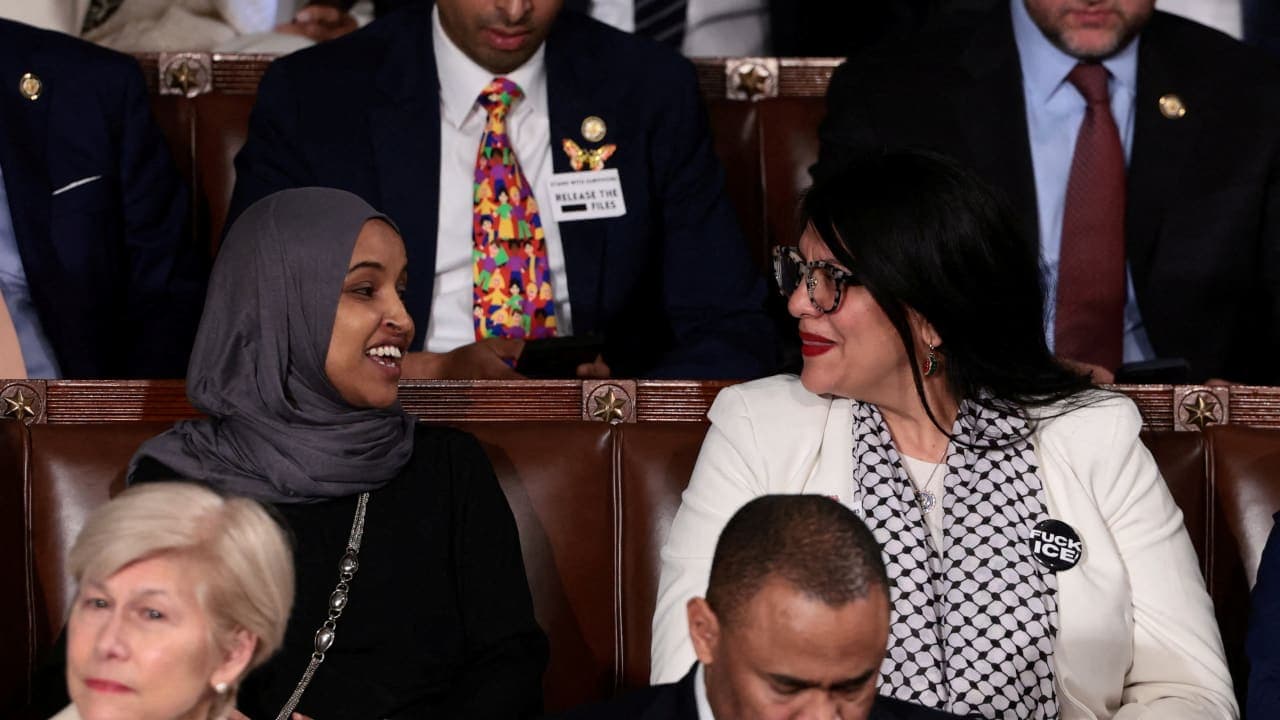
Tlaib introduced a resolution directing the withdrawal of U.S. forces from hostilities in Lebanon.
SOURCE CHECK
TAP FOR WHYThe Jerusalem Post is an established international news organization with an identifiable newsroom and byline. This report attributes much of its material to Axios, CBS and Reuters, limiting the evidence of original reporting in this particular article.
- Source type — An established international news outlet, supporting a relatively strong baseline.
- Author attribution — The article names a reporter and identifies additional contributing sources.
- Editorial standards — The publisher is an established newsroom, though the article itself leans heavily on other outlets' reporting.
- Transparency — The report attributes key information to Axios, CBS, the State Department and Reuters.
The report gives a vote tally, identifies the positions of the resolution’s sponsor and several opponents, and attributes claims to other outlets and officials. It is concise and largely secondhand, with limited context about the measure and no direct evidence presented beyond attributed statements.
HOW WE SCORE ↗The article presents the sponsor’s case alongside objections from Democratic leaders and a Republican lawmaker, and reports the vote breakdown. Its brevity and reliance on secondhand accounts leave little room for fuller context or additional perspectives.
- Counterarguments presented — Tlaib’s argument is set against objections from Democratic leaders and Brian Mast.
- Source diversity — The report includes several political perspectives but relies on other outlets for reporting.
- Omitted context — Provides limited explanation of the resolution’s legal context or arguments beyond the quoted positions.
- Loaded language — Strong language appears in attributed quotations rather than as the article’s own characterization.
The article reports the vote and competing arguments in largely neutral language, attributing the strongest claims to the people or outlets that made them. It does not clearly endorse either the resolution or its opponents.
- Language tone — Mostly descriptive language; charged claims are presented as quotations or attributed statements.
- Source selection — Includes arguments from Tlaib, Democratic leaders and a Republican opponent.
- Framing — The headline and opening focus on the resolution’s defeat without an explicit editorial judgment.
The House rejected Rep. Rashida Tlaib’s Lebanon war powers resolution by 92 to 324, with most House Democrats voting against it. Tlaib argued the United States was participating in Israel’s actions, while Democratic leaders and Rep. Brian Mast opposed the measure for different reasons.
The article reports that the House voted 92 to 324 against Tlaib’s resolution, which would have directed President Donald Trump to remove U.S. forces from hostilities in Lebanon within seven days. It says 117 Democrats voted against the resolution and 91 supported it, while one Republican supported it and two Democrats voted present. Tlaib called for ending U.S. participation in what she described as the Israeli government’s violent assault on Lebanon and alleged U.S. involvement in Israeli operations.
House Democratic leaders Hakeem Jeffries, Katherine Clark and Pete Aguilar said no U.S. service members were involved in combat or hostilities in Lebanon and said they would support an alternative maintaining coordination against Hezbollah. Brian Mast argued that the resolution would remove U.S. forces from a country where the United States was not in conflict. The article also notes a separate House resolution limiting further U.S. military action against Iran without congressional approval, a ceasefire agreement announced by the State Department, and Trump’s remarks that he thought progress was being made between Israel and Lebanon.
Community verdict
25 VOTES
People in this story
SWIPE →Introduced the Lebanon war powers resolution rejected by the House.

President whose administration the resolution addressed and who commented on Israel-Lebanon negotiations.
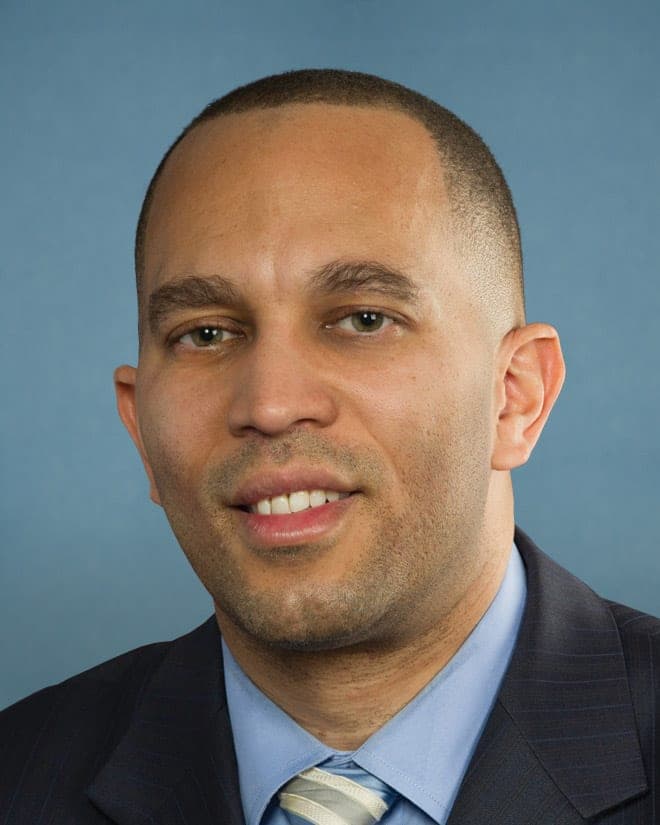
House Minority Leader who opposed the resolution and supported an alternative approach.

House Foreign Affairs Committee chairman who argued against Tlaib’s resolution.
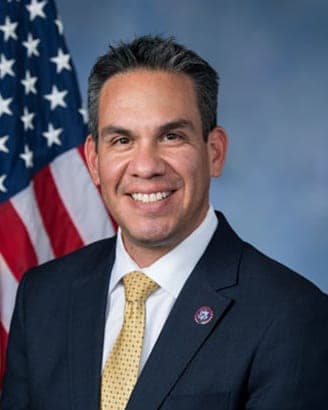
House Democratic Caucus Chair who opposed the resolution and supported an alternative approach.
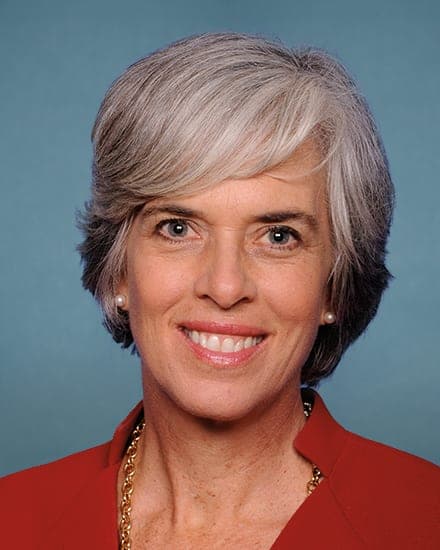
House Democratic Whip who opposed the resolution and supported an alternative approach.
Part of a bigger story
6 OUTLETSThe House rejected Rashida Tlaib’s resolution directing U.S. forces to leave Lebanon. Left-leaning outlets place the vote in a broader critique of Democrats’ military-policy positions. Center outlets report the rejection alongside debate over U.S. involvement and Tlaib’s position on Hezbollah. Right-leaning outlets emphasize Democratic divisions, with some focusing on the Hezbollah omission and others on whether U.S. troops were fighting in Lebanon.
- ARTICLES
- 6
- OUTLETS
- 6
- AVG CRED
- 63
Discussion · 0
Loading comments…