Vance, most Republicans block Senate resolution to curb Trump's Venezuela efforts
Young voted to dismiss the resolution after saying officials assured him there were no U.S. troops in Venezuela.
SOURCE CHECK
TAP FOR WHYCredibility rates Cbc, where this article appeared. The other scores rate the article itself.
CBC is an established public broadcaster with editorial standards and transparent authorship. This article appears to rely substantially on Reuters reporting, whose attribution supports the reporting’s provenance.
- Source type — Established international public broadcaster.
- Editorial standards — CBC has a professional newsroom and published editorial standards.
- Author attribution — The page identifies CBC and includes a Reuters attribution in the article text.
- Transparency — The story includes publication and update information.
The story gives the vote tally, recounts the competing arguments and quotes lawmakers and an administration legal opinion. It offers meaningful context but relies on a limited set of direct voices and provides little independent assessment of the legal arguments.
HOW WE SCORE ↗The story includes arguments for and against the resolution and explains the administration’s legal rationale. It gives limited space to direct voices from the administration and does not include a broad range of independent legal or political perspectives.
- Counterarguments presented — It reports the opponents’ argument that no U.S. troops were in Venezuela and supporters’ case for congressional authorization.
- Source diversity — The story quotes lawmakers and draws on a Justice Department legal opinion, but includes few direct sources.
- Omitted context — It offers limited independent analysis of the constitutional dispute.
The article reports the vote and presents both the administration’s rationale and the resolution’s supporters’ objections in mostly neutral language.
- Language tone — The report is largely descriptive, with evaluative claims attributed to their speakers.
- Source selection — It includes arguments from a Republican leader, a Democratic sponsor and the administration.
- Framing — The focus is the Senate vote and the competing claims about military action and congressional authority.
Original publisher not identified
This article credits another publisher, which ChamberLight has not identified, so the scores are Cbc's own.
The Senate voted 51-50 to dismiss a resolution that would have limited President Donald Trump’s further military action in Venezuela without congressional authorization. Vice-President J.D. Vance broke the tie after Senators Josh Hawley and Todd Young reversed their earlier support for advancing the measure.
Senate Republicans blocked the war powers resolution after the administration argued that the U.S. operation to capture Venezuelan President Nicolás Maduro was a law-enforcement action, not a military operation. Supporters argued that U.S. forces’ actions in the region and Trump’s threats of further military action made congressional authorization necessary. Tim Kaine, a lead sponsor, said the campaign amounted to imminent hostilities.
The Senate had voted on Jan. 8 to advance the resolution, with five Republicans joining Democrats. After Trump urged those Republicans to reverse course, Hawley and Young did so; Young said he had received assurances that U.S. troops were not in Venezuela and a commitment that the administration would seek congressional authorization before major operations. The resolution would also have needed approval by the House and two-thirds majorities in both chambers to survive an expected presidential veto.
Community verdict
11 VOTES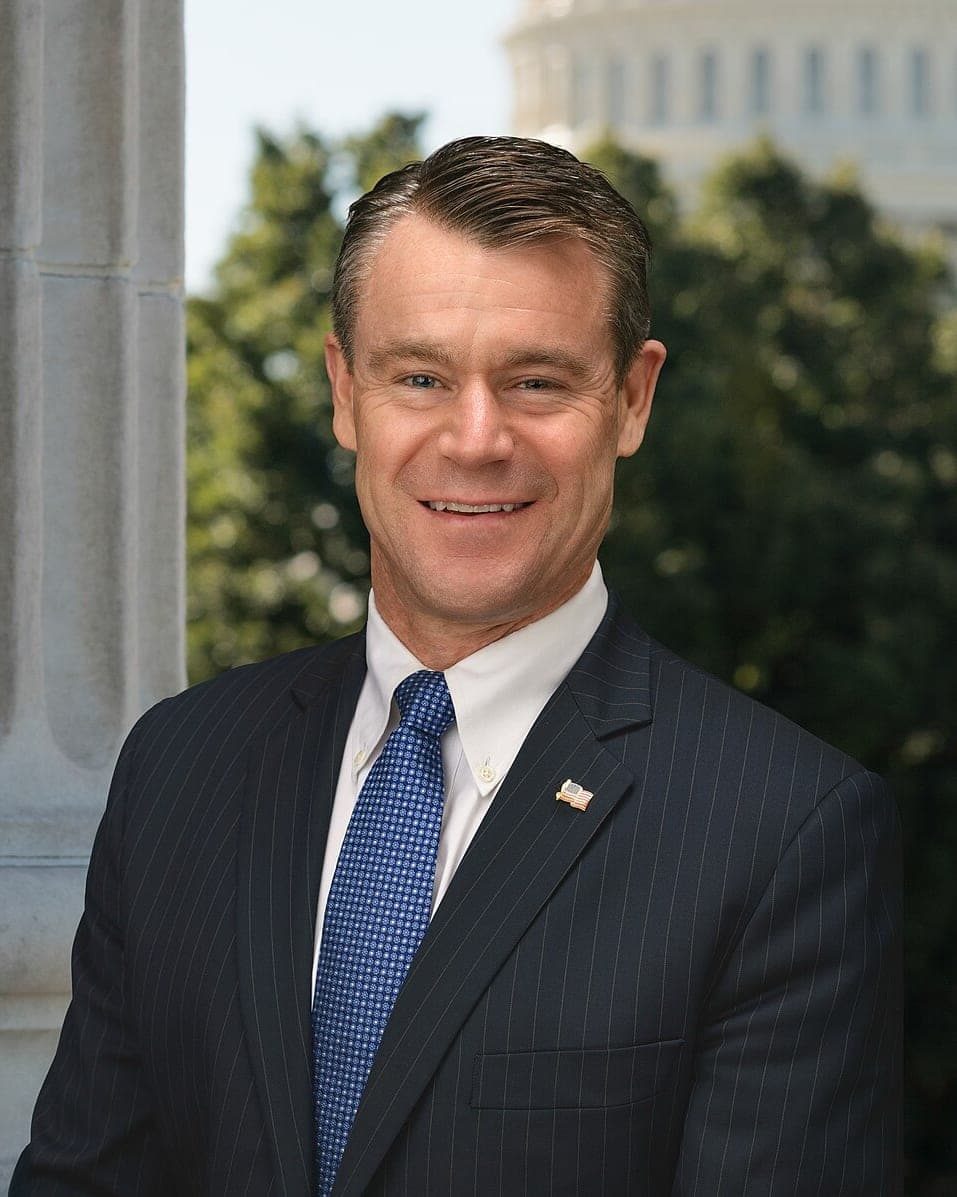
Counts every outlet’s report of this story. See all 14
- Readers of left-leaning coverage: 56% good look
- Readers of right-leaning coverage: not enough votes yet
Votes cast on this page
Votes cast on this page: ▲ 0 · ◆ 0 · ▼ 0
People in this story
SWIPE →Senator who reversed his earlier support for advancing the resolution
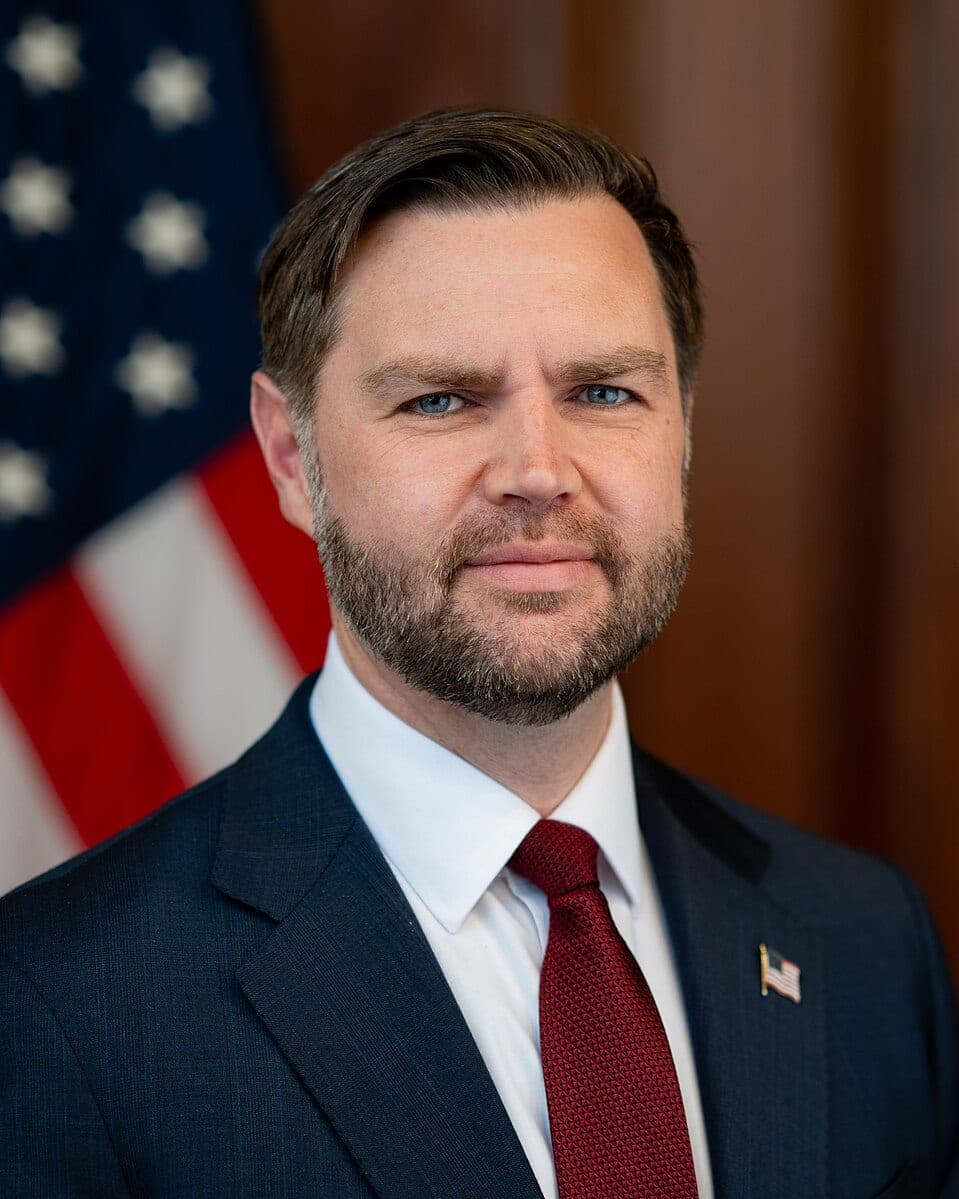
Vice-President who cast the tie-breaking vote
Vance's version of this story ↗
President who pressured Republican senators to oppose the resolution
Trump's version of this story ↗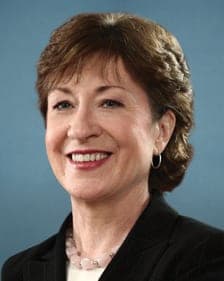
Senator who supported advancing the resolution in the earlier vote
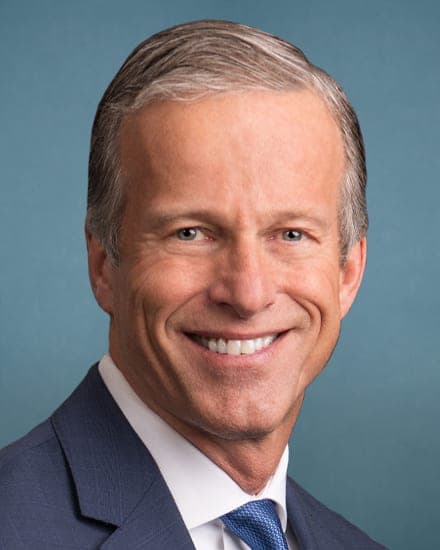
Senate Majority Leader who argued against advancing the resolution
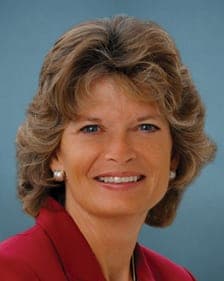
Senator who supported advancing the resolution in the earlier vote
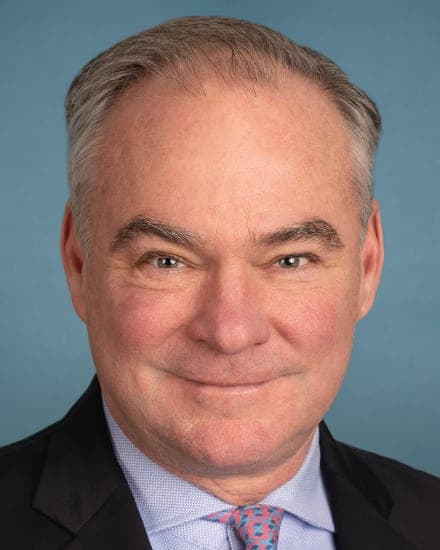
Senator and lead sponsor of the resolution
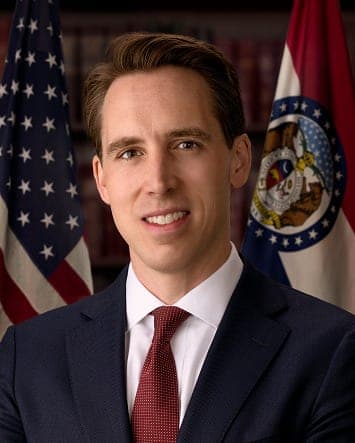
Senator who reversed his earlier support for advancing the resolution
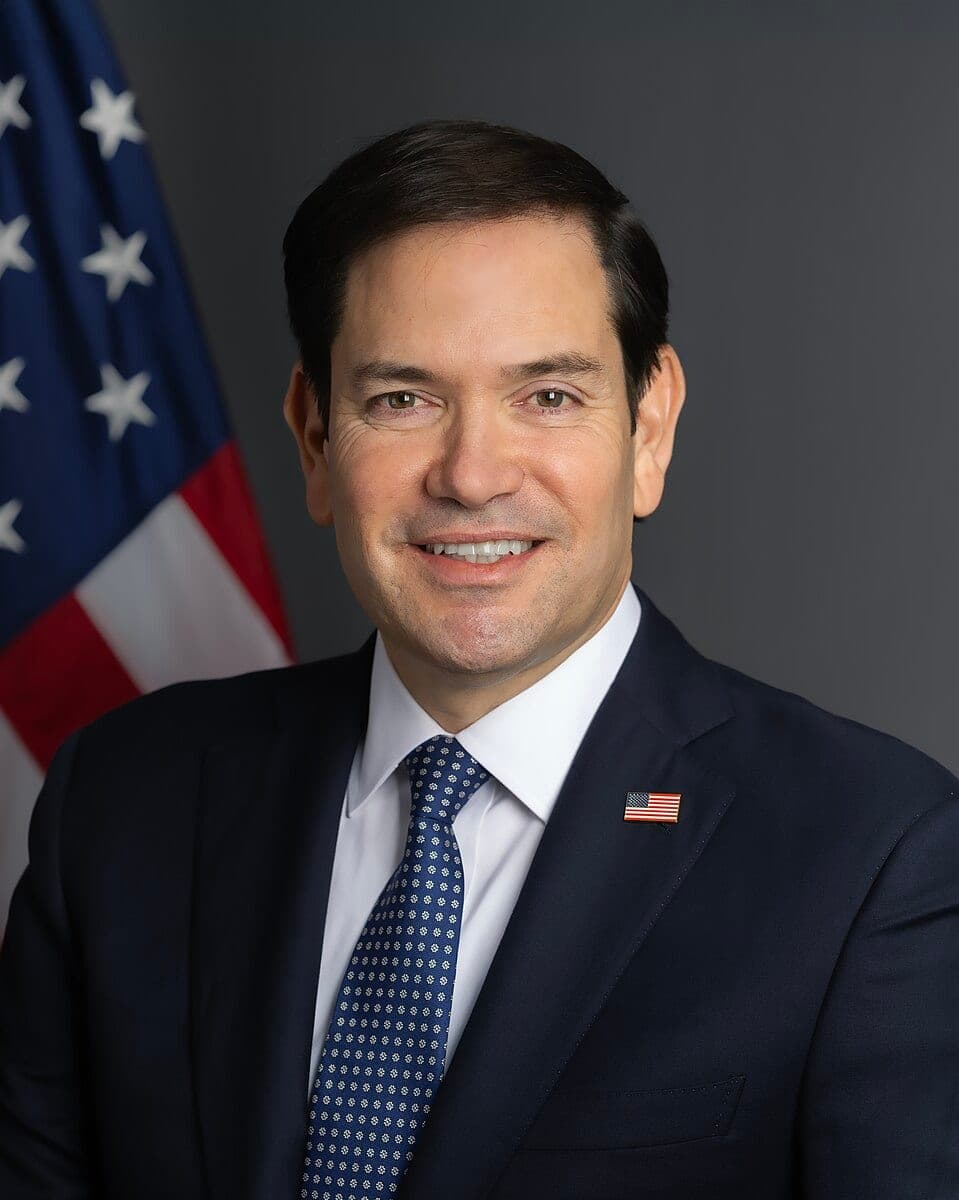
Secretary of State who joined the administration’s effort to change Republican senators’ votes
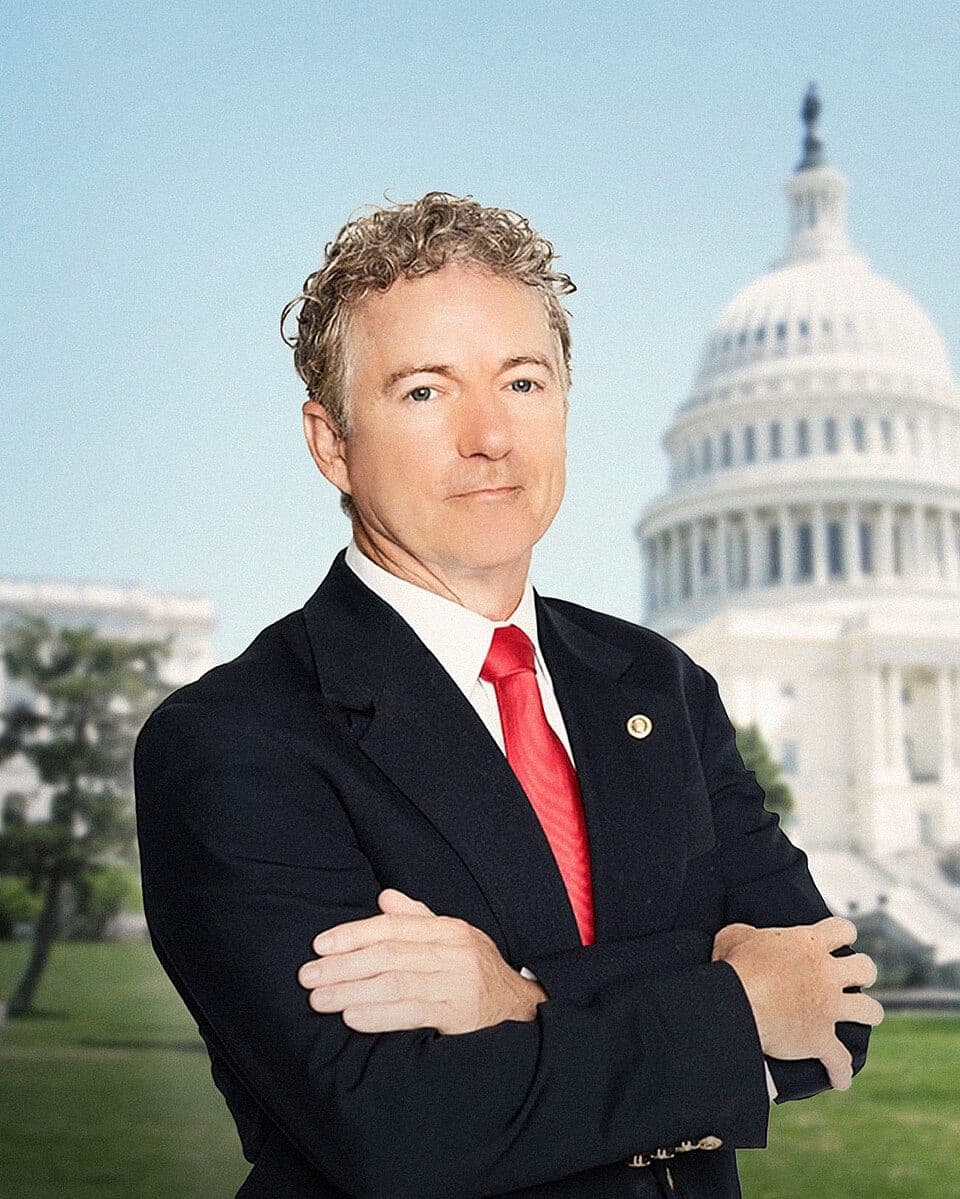
Senator who voted with Democrats to advance the resolution
Part of a bigger story
9 OUTLETSThe Senate defeated a Venezuela war powers resolution after Todd Young and Josh Hawley withdrew their earlier support. The measure sought to limit further U.S. military action in Venezuela without congressional approval. Left-leaning outlets portray Young’s switch as capitulation to Trump. Center outlets emphasize pressure, Young’s reversal and administration assurances, with some also foregrounding the debate over congressional authorization. Right-leaning outlets stress that the vote defeated an effort to check Trump, noting Young’s switch and the tie-breaking vote.
- ARTICLES
- 14
- OUTLETS
- 9
- AVG CRED
- 76
Discussion · 0
Loading comments…