New bill plots a four-day workweek with no pay cuts
Takano reintroduced the bill and argued that labor laws have not kept pace with technology and productivity.

SOURCE CHECK
TAP FOR WHYThe New York Post is an established national news organization with identified authorship, though its tabloid style and uneven reputation warrant a score below the strongest outlets. This article gives concrete details and attributed remarks but offers limited independent sourcing and no direct response from business interests.
- Source type — Established national outlet with a substantial news operation, though known for tabloid presentation.
- Editorial standards — Reports specific provisions and distinguishes stated claims, but the text shows limited sourcing beyond quoted proponents.
- Author attribution — The article identifies an author.
- Transparency — Publisher and article are identifiable; no correction information is visible in the supplied text.
The article clearly explains the proposed workweek, overtime rules and phase-in, and includes statements from both sponsors plus a discussion of possible costs to businesses. Its account is largely based on the bill’s described provisions and supporters, with no direct opposing source or detailed independent analysis of likely effects.
HOW WE SCORE ↗The article gives substantial detail about the proposal and its sponsors’ arguments, and it notes possible higher costs for businesses. However, business concerns are not represented through a direct source, and the article does not present a substantive counterargument.
- Counterarguments presented — Potential business costs are mentioned, but no opposing argument is directly attributed to a source.
- Source diversity — Includes two sponsor statements and labor-group backing, with no business-side interview or independent expert.
- Loaded language — Language is generally restrained, though the headline emphasizes the worker-friendly feature of no pay cuts.
The article uses a largely factual tone but foregrounds worker benefits and the sponsors’ rationale, while presenting business costs briefly without a business-side response. The language is not strongly partisan.
- Language tone — Mostly descriptive, with a favorable headline framing the proposal around a shorter week without pay cuts.
- Source selection — Quotes both bill sponsors and cites labor organizations’ backing, but no business representative.
- Framing — Explains potential employee benefits alongside possible employer costs.
Rep. Mark Takano and Sen. Bernie Sanders reintroduced a bill that would phase in a 32-hour federal workweek, require overtime beyond that threshold and bar cuts to regular pay or benefits. The proposal would need approval from both chambers and the president to take effect.
Rep. Mark Takano and Sen. Bernie Sanders reintroduced the Thirty-Two Hour Workweek Act, which would lower the federal standard workweek for nonexempt employees from 40 hours to 32. It would phase in the new overtime threshold over four years and require overtime pay for hours beyond it. The bill would also bar employers from reducing regular hourly rates, weekly compensation or existing benefits to offset the change.
Takano said labor laws have not kept pace with technology and productivity, while Sanders argued that advances in artificial intelligence and robotics make the proposal more urgent. The article says labor organizations support the measure and notes that it could raise labor costs for some California businesses. The bill would need to pass both chambers and be signed into law; the article identifies H.R. 10323 as under consideration by the House Committee on Education and Workforce.
Community verdict
11 VOTES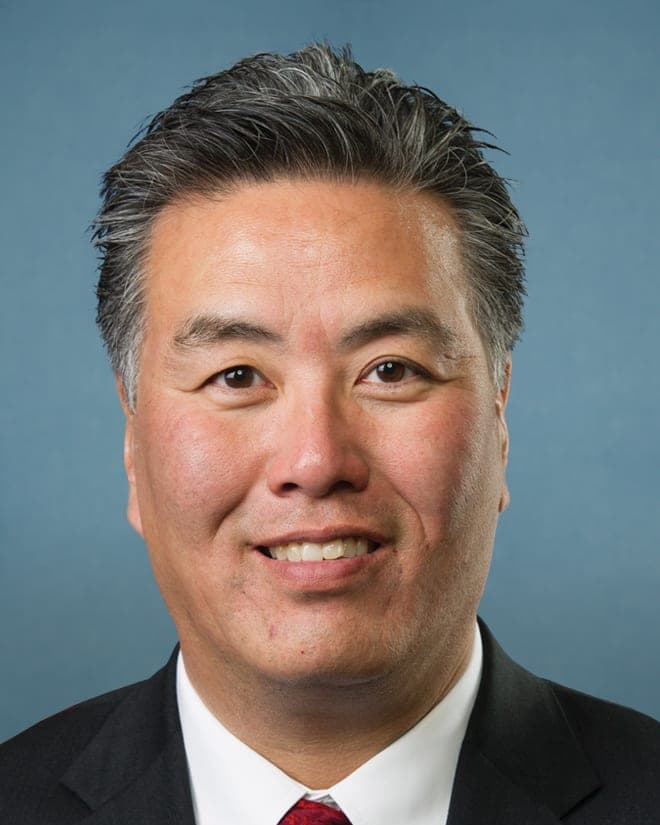
People in this story
SWIPE →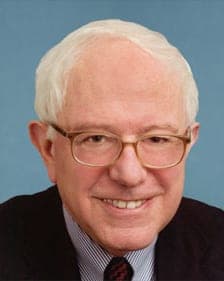
Senate sponsor of the proposed 32-hour workweek legislation

Representative shown in a photograph captioned as meeting with Takano and Zohran Mamdani
Part of a bigger story
3 OUTLETSThe outlets report that Sen. Bernie Sanders and Rep. Mark Takano reintroduced a bill to phase in an overtime threshold of 32 hours per week. Right-leaning outlets frame the bill around a shorter week without pay cuts, while the unrated coverage explains the overtime rules and emphasizes worker protections or productivity gains.
- ARTICLES
- 3
- OUTLETS
- 3
- AVG CRED
- 63
Discussion · 0
Loading comments…