Sen. Bernie Sanders Reintroduces 32-Hour Work Week Bill
Takano joined Sanders in reintroducing the bill and cited productivity gains as a reason to reduce the workweek.

SOURCE CHECK
TAP FOR WHYBlack Enterprise is an established business-focused publication, and this article names its author and attributes statements to the bill’s sponsors and Takano’s office. The text provides limited independent reporting and does not present opposing views.
- Track record — An established publication focused on business and economic issues.
- Editorial standards — The article attributes quotes and data, but the text provides little indication of independent verification or corrections practices.
- Author attribution — The article identifies an author.
- Source type — Recorded as other, rather than a wire service or major national newsroom.
The article clearly describes the bill’s proposed overtime schedule and attributes arguments and productivity figures to its sponsors and Takano’s office. It also notes labor-group backing and the bill’s difficult path, but offers no opposing perspective or independent analysis of the proposal’s likely effects.
HOW WE SCORE ↗The article explains the proposal and includes statements from both sponsors, labor organizations’ backing, and a note that passage faces difficulty. It does not identify critics or examine possible costs and tradeoffs.
- Counterarguments presented — No arguments from opponents or affected employers are included.
- Source diversity — Sources are the bill’s sponsors, one sponsor’s office, and supportive labor organizations.
- Omitted context — The article gives little detail on potential economic effects or objections to the proposal.
- Loaded language — The article is mostly factual in tone, though its framing emphasizes worker benefits.
The article uses sympathetic framing around workers’ pay and benefits and foregrounds the sponsors’ arguments about inequality and productivity. It does not include critics of the proposal, though it uses mostly straightforward reporting language.
- Framing — Frames the proposal as protecting workers and sharing technology-driven gains.
- Source selection — Centers the sponsors’ arguments and data from Takano’s office, with no opposing sources.
- Language tone — Mostly reportorial, while foregrounding favorable claims about the proposal.
Sen. Bernie Sanders and Rep. Mark Takano reintroduced a bill to gradually lower the overtime threshold from 40 hours to 32 hours, with the sponsors arguing workers should share in productivity gains from new technology. The proposal would also protect workers’ pay and benefits.
Sanders and Takano reintroduced the Thirty-Two Hour Workweek Act on Sept. 8. It would gradually reduce the hours employees can work before qualifying for overtime, from 40 to 32 over four years, and require overtime pay at 1.5 times the regular rate for hours above each threshold. The article says the measure would not automatically require a four-day workweek and would seek to prevent cuts to workers’ compensation or benefits. Sanders and Takano argued that workers should share in productivity gains from technology, including artificial intelligence.
Community verdict
9 VOTES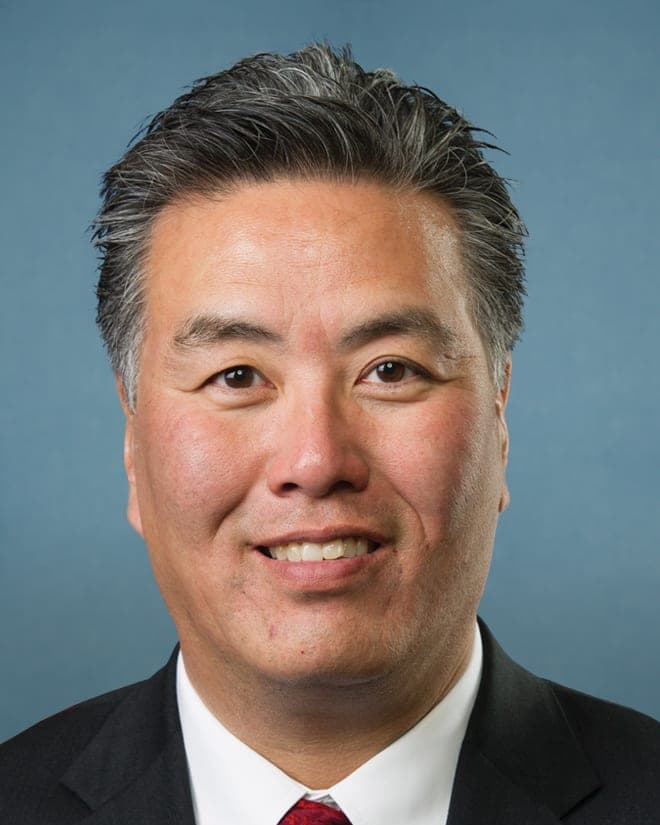
People in this story
SWIPE →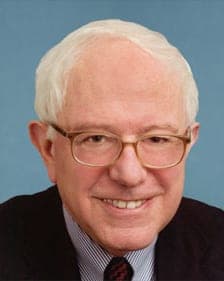
Senate sponsor of the Thirty-Two Hour Workweek Act
Sanders's version of this story ↗Part of a bigger story
3 OUTLETSThe outlets report that Sen. Bernie Sanders and Rep. Mark Takano reintroduced a bill to phase in an overtime threshold of 32 hours per week. Right-leaning outlets frame the bill around a shorter week without pay cuts, while the unrated coverage explains the overtime rules and emphasizes worker protections or productivity gains.
- ARTICLES
- 3
- OUTLETS
- 3
- AVG CRED
- 63
Discussion · 0
Loading comments…