Fact check: What Abdul El-Sayed said about breast cancer research, advocates
His campaign ad made the claim about El-Sayed's essay that the article fact-checks.
SOURCE CHECK
TAP FOR WHYBridge Michigan is an established regional news outlet, and this article identifies its author and presents reporting from researchers and both campaigns.
- Source type — Established local-news outlet with a regional reporting focus.
- Editorial standards — The fact check distinguishes the campaign's claims from the underlying essay and cites named experts and research.
- Author attribution — The article identifies Miles MacClure as its author.
- Transparency — The article attributes responses to campaign spokespeople and identifies research sources, though correction practices are not shown.
The article compares the campaign claims with the original essay, obtains responses from both campaigns, and adds context from a named researcher and federal research figures. Its evidence is specific, though it does not include direct responses from breast cancer advocates.
HOW WE SCORE ↗Both campaigns’ arguments are represented, and the article adds expert and research context. The fact check reaches a clear conclusion, but supports it with the essay’s wording and evidence rather than relying only on either campaign’s account.
- Source diversity — The article also cites a named academic and National Cancer Institute research.
- Counterarguments presented — Statements from both campaigns are included, along with the ad's allegation and El-Sayed's campaign response.
- Opinion vs reporting — The piece evaluates a factual claim using the original essay and research rather than presenting an opinion column.
- Omitted context — It provides context on research funding but does not include direct comment from breast cancer advocates.
The article uses a fact-check format, quotes the campaign claim and response, and evaluates the claim against the essay and research without discernible partisan framing.
- Language tone — The writing is mostly descriptive and attributes claims to their sources.
- Source selection — It includes statements from both campaigns and a researcher whose work informed the essay.
- Framing — The article tests a specific campaign claim against the underlying essay and supporting research.
Bridge Michigan found that a campaign ad by Mike Rogers misrepresented Abdul El-Sayed’s 2012 essay: El-Sayed criticized lobbying’s influence on research funding but described breast cancer as important and worthy of attention.
Rogers’ campaign ad said El-Sayed had “blasted” breast cancer advocates and called increased funding for the disease “disturbing.” Bridge Michigan reported that El-Sayed’s essay instead criticized research funding shaped by lobbying and said breast cancer was an important disease deserving attention. Rogers repeated similar claims in a Fox News interview.
The article cited researchers who said funding is not always aligned with disease burden or lethality, while emphasizing that funding is not a zero-sum contest between diseases. Its conclusion was that El-Sayed had not blasted breast cancer advocates; the “disturbing” remark concerned funding decisions influenced by lobbying rather than data.
Community verdict
8 VOTES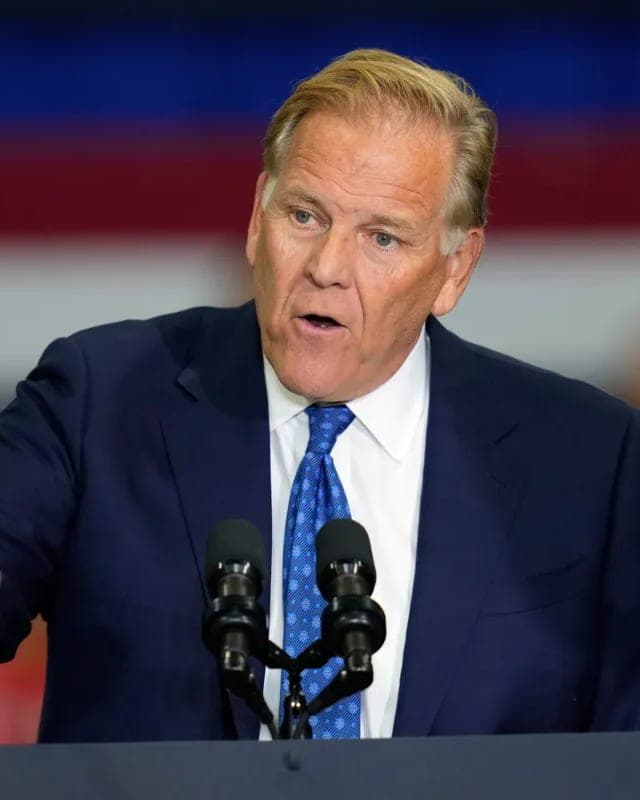
People in this story
SWIPE →Michigan Senate candidate whose campaign ad attacks El-Sayed's essay
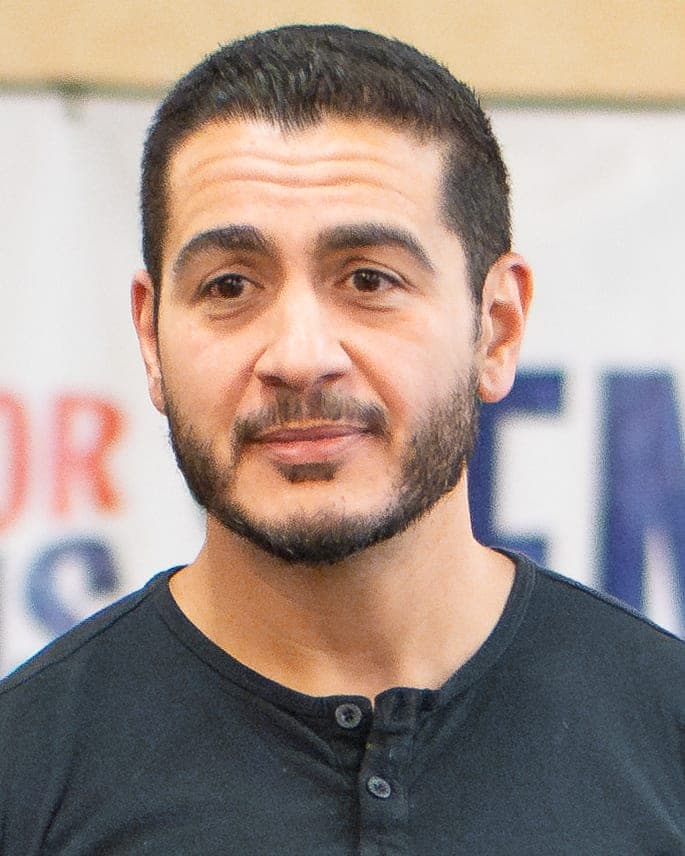
Michigan Senate candidate whose 2012 essay is the subject of the fact check
El-Sayed's version of this story ↗
Retiring Michigan senator whose seat is at stake in the election
Discussion · 0
Loading comments…