Fact check: Haley Stevens, Abdul El-Sayed clash over AIPAC, electability
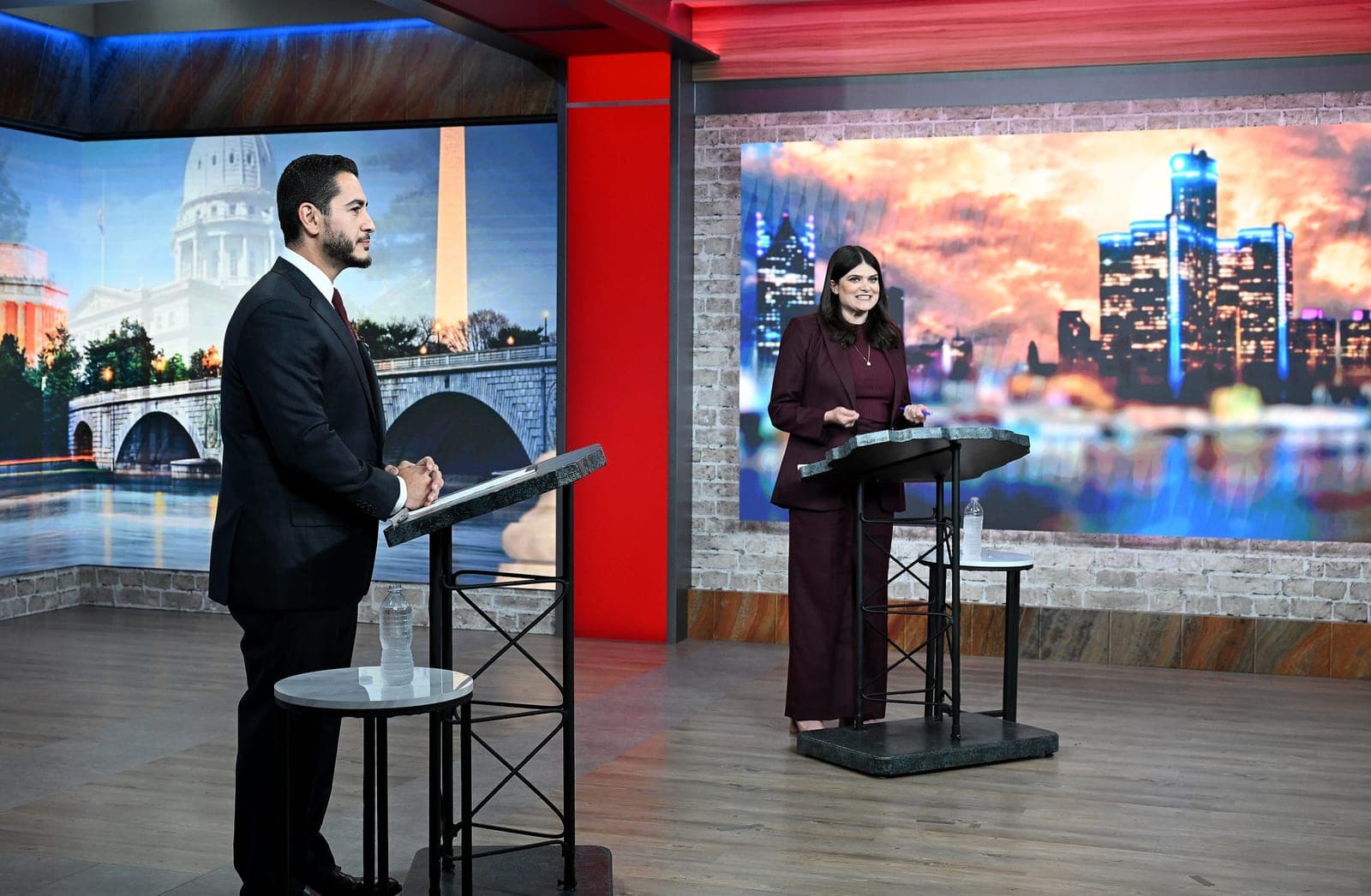
El-Sayed promoted his policy agenda and challenged Stevens over outside spending and campaign contributions.
SOURCE CHECK
TAP FOR WHYBridge Michigan is an established regional news outlet, and this article attributes claims, names data sources and provides relevant context. The text offers limited detail about the outlet’s corrections practices, so the score is below the highest tier.
- Source type — Regional newsroom with a stated news-reporting focus.
- Editorial standards — The reporting attributes claims and cites polling, spending data and financial filings.
- Author attribution — The article identifies a reporter by name.
- Transparency — The article names several sources and organizations but provides little information here about corrections practices.
The article checks candidates’ claims against spending data, campaign disclosures, polling and an outside lawmaking ranking. It includes both candidates’ statements and some qualifications, though the precise vote tally and date for the Israel aid amendment are not supplied.
HOW WE SCORE ↗The piece covers both candidates’ claims and checks them against records, while also noting evidence that complicates some statements. It does not provide extensive independent response or context on every dispute.
- Counterarguments presented — Includes both candidates’ claims and Stevens’ clarification about the DTE contribution.
- Source diversity — Cites polling, campaign disclosures, an ad-tracking source and a lawmaking research center.
- Omitted context — Some claims receive more evidence and detail than others, and not every dispute has an outside response.
- Loaded language — Most evaluative or combative language is quoted from candidates rather than adopted by the reporter.
The article reports the candidates’ competing claims and checks them against records and outside sources. Its language is mostly descriptive rather than partisan.
- Language tone — Mostly neutral reporting language, with charged phrases attributed to the candidates.
- Source selection — Uses campaign statements, financial filings, polling and outside data sources.
- Framing — Organizes the article around fact-checking claims from both candidates.
Michigan Senate candidates Haley Stevens and Abdul El-Sayed clashed in their final Democratic primary debate over AIPAC spending, electability, campaign donations and personal wealth. The article checks several of their claims, including Stevens’ answer about DTE contributions and El-Sayed’s criticism of outside spending.
In their final debate before the Aug. 4 primary, Stevens emphasized manufacturing and her electability, while El-Sayed promoted affordability policies, including Medicare for All, and criticized outside spending. The article reports that a pro-Stevens super PAC backed by AIPAC had spent nearly $25 million and reserved additional ad time, while a pro-El-Sayed super PAC had spent about $2 million. Stevens also cited a recording in which Republican candidate Mike Rogers said he thought he would be in good shape against El-Sayed; polls cited in the article showed differing hypothetical matchups.
On campaign contributions, Stevens answered that she was not taking money from DTE or Consumers. The article says her Senate campaign disclosed a $2,500 DTE PAC contribution before she officially launched, and reports that she later clarified she meant her current campaign, not her political career overall. El-Sayed’s newly filed financial disclosure put his and his wife’s estimated wealth between $700,000 and $2.1 million; Stevens’ filing showed a net worth no higher than $376,998. The article also says Stevens’ claim to be the most effective Michigan Democrat in Congress was supported by one organization’s ranking, while noting the ranking’s limits.
Community verdict
15 VOTES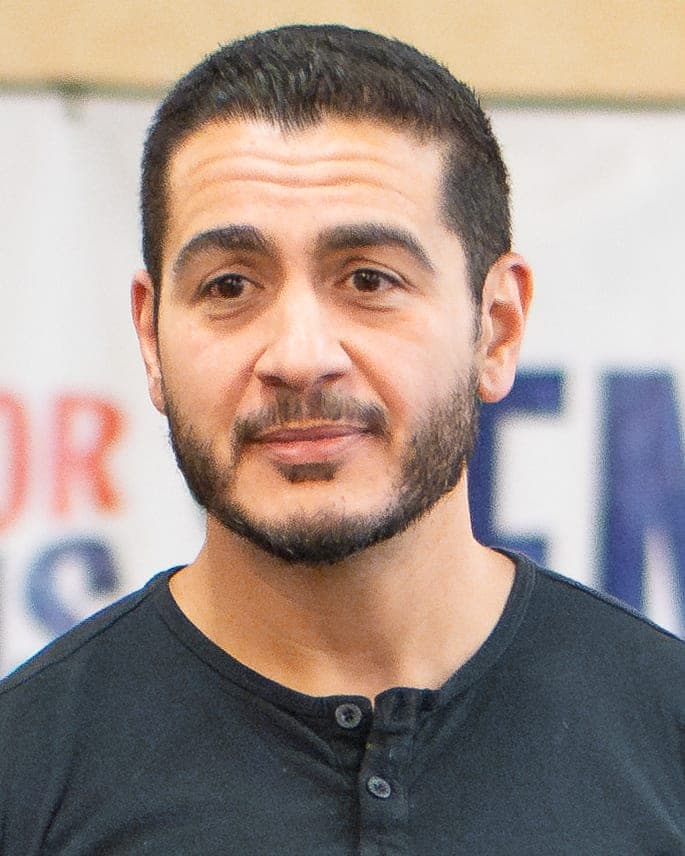
People in this story
SWIPE →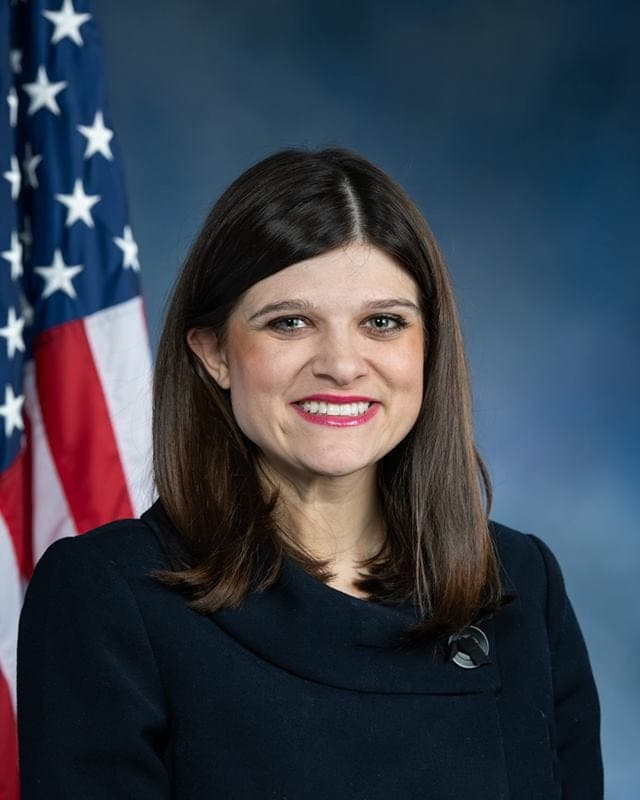
U.S. representative and Democratic Senate candidate
Stevens's version of this story ↗
U.S. senator from Michigan

President of the United States
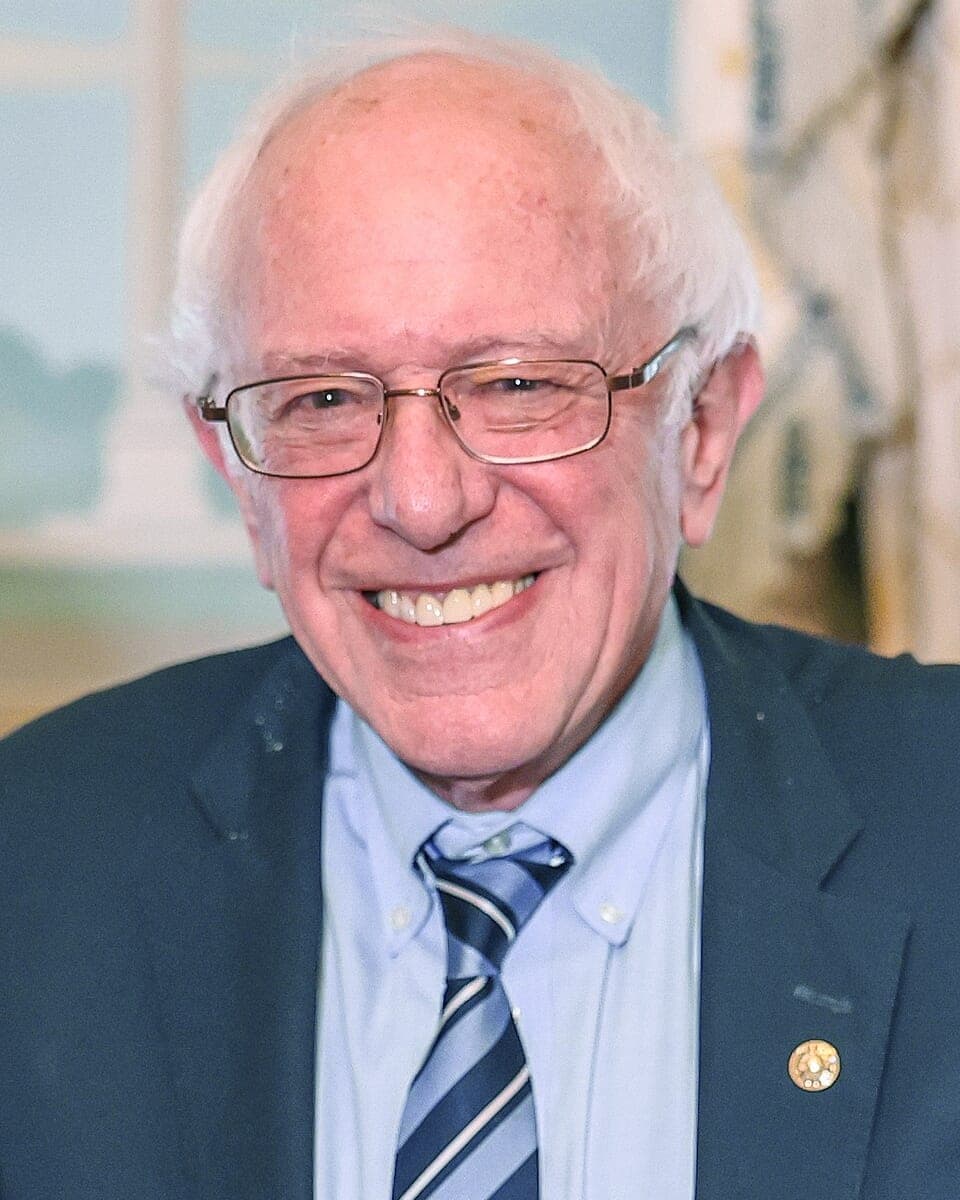
U.S. senator from Vermont and El-Sayed supporter
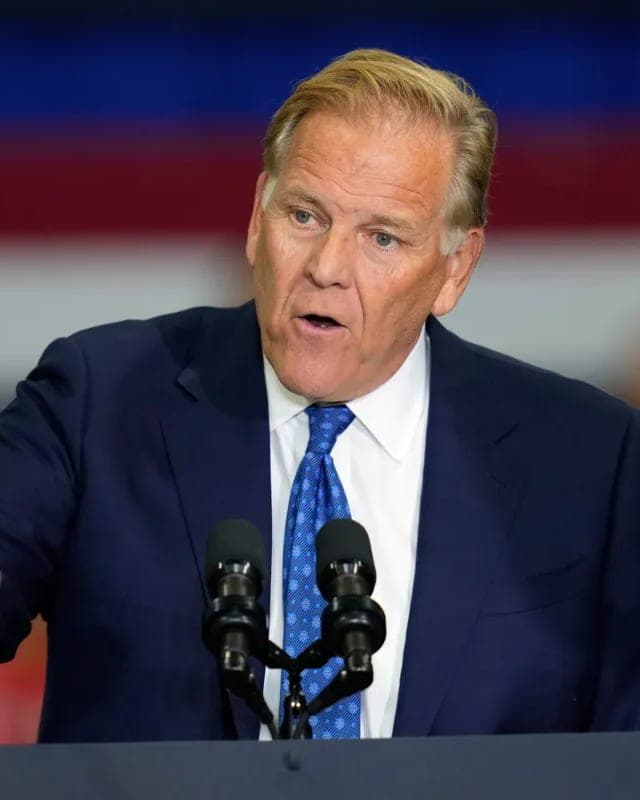
Republican Senate candidate in Michigan
Health secretary
Former Homeland Security secretary
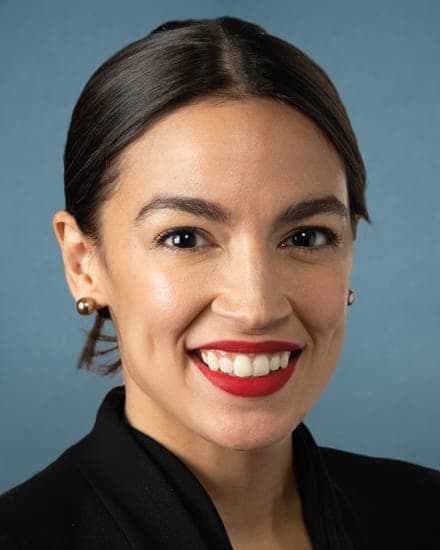
U.S. representative from New York and El-Sayed supporter
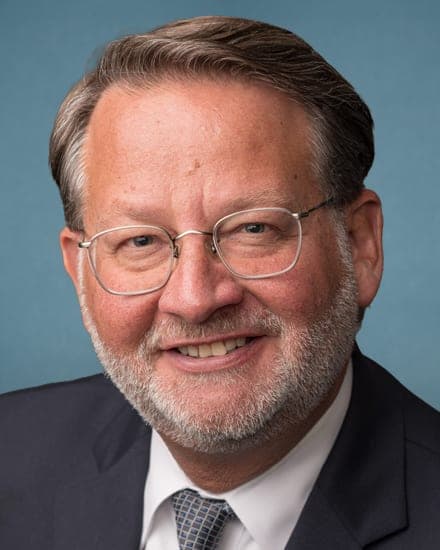
U.S. senator from Michigan who is retiring
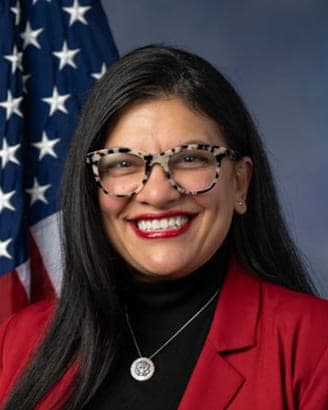
U.S. representative from Michigan
Part of a bigger story
11 OUTLETSHaley Stevens and Abdul El-Sayed debated in Michigan as Democratic Senate candidates. Left-leaning outlets frame El-Sayed as the progressive alternative to Stevens, stressing his challenges to her over campaign funding and immigration. Center outlets generally present both candidates’ arguments, with fact checks on claims about spending and electability and some coverage of polling. Right-leaning outlets foreground Stevens’s celebrity-candidate criticism and the candidates’ disputes over Israel and outside spending.
- ARTICLES
- 13
- OUTLETS
- 11
- AVG CRED
- 68
Discussion · 0
Loading comments…