Confused By Social Security's Claiming Ages? Here's What Trump's Next Signature Could Mean For Seniors as
Beyer introduced the bill and said its passage would help seniors and older workers make informed retirement decisions.

SOURCE CHECK
TAP FOR WHYBenzinga is an established financial news publisher, but this short article relies substantially on a press release and background materials, and it discloses that AI tools helped produce the content. The page identifies an author and says editors reviewed it.
- Source type — Established financial and business news publisher, though this is a trade-press item rather than a newspaper of record.
- Author attribution — An author is identified, and the article discloses AI assistance and editorial review.
- Editorial standards — The article attributes key claims to a press release and other materials but provides limited independent reporting.
The article gives specific provisions and benefit estimates and attributes them to source materials. It is concise and largely relies on supporters and bill background materials, with no opposing perspective or substantial independent context.
HOW WE SCORE ↗The article explains the bill and includes statements from its House sponsors, but presents no criticism or alternative view. The lack of competing perspectives leaves the coverage tilted toward supporters’ account.
- Counterarguments presented — No opponents or counterarguments are included.
- Source diversity — The article relies on bill supporters and supporting materials.
- Opinion vs reporting — The piece is reported as news rather than an explicit opinion article.
The article uses mostly straightforward language to describe the bill and its expected effects. Its sources favor the measure, but it does not use distinctly partisan framing.
- Language tone — The language is largely descriptive and avoids overtly partisan terms.
- Source selection — Supporters and bill materials are quoted, with no opposing source included.
- Framing — The article presents the bill as a clarity measure and reports its claimed benefits.
The Senate passed the bipartisan Claiming Age Clarity Act, which would rename Social Security’s claiming-age categories, and the bill is headed to President Donald Trump. Supporters say clearer terms could help people understand how claiming age affects benefits.
The Claiming Age Clarity Act, H.R. 5284, would direct the Social Security Administration to replace its current claiming-age terms with “Minimum Benefit Age,” “Standard Benefit Age” and “Maximum Benefit Age.” The article says the Senate passed the bill and it had previously passed the House. Representatives Don Beyer and Lloyd Smucker introduced it; Beyer called its passage a victory for seniors and older workers, while Smucker said the new terms better explain how claiming age affects monthly benefits.
The article says claiming at age 62 can reduce monthly payments by about 30% compared with claiming at standard benefit age, while waiting until age 70 can increase them by up to 24%. It also reports that Social Security’s trust funds are projected to pay full scheduled benefits only until 2034 absent congressional action.
Community verdict
VOTING CLOSED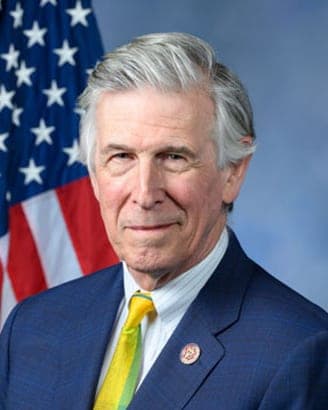
No good or bad look here
This story reports what happened without casting Beyer in a good or bad light, so readers don’t rate it and it doesn’t count toward Beyer’s record.
People in this story
SWIPE →
House co-introducer of the Claiming Age Clarity Act
Smucker's version of this story ↗
Senate co-introducer of companion legislation

President to whom the bill is headed for signature

Senate co-introducer of companion legislation

Senate co-introducer of companion legislation

Senate co-introducer of companion legislation
Part of a bigger story
2 OUTLETSDiscussion · 0
Loading comments…