DHS faces blowback over its attack on a Democratic House candidate
Wall’s statement about Stelson led to questions about whether he engaged in prohibited partisan political activity.
SOURCE CHECK
TAP FOR WHYAxios is an established national news outlet, and this report identifies its author and describes efforts to obtain comment and review records. The reporting includes documents and named sources, although DHS did not answer follow-up questions.
- Source type — Established national news outlet with a record of original reporting.
- Transparency — It identifies records reviewed and requests for comment, including unanswered inquiries.
- Author attribution — The report names its author.
- Editorial standards — The outlet is an established newsroom, though specific corrections practices are not shown in the article.
The article draws on an affidavit, campaign records, emails, court records and named sources, and lays out the sourcing chain behind DHS’s claim. It includes the campaign’s denial and an agency expert’s perspective, but DHS declined follow-up comment and the article does not resolve the disagreement about the man’s campaign role.
HOW WE SCORE ↗The article explains the campaign’s denial and the documentary basis for the allegation, and it reports DHS’s original statement. The agency did not answer follow-up questions, limiting its response to the campaign’s threatened legal action.
- Counterarguments presented — The campaign’s denial is presented alongside an affidavit describing flyers and the man’s account to police.
- Source diversity — Draws on government records, campaign material, an ethics watchdog and a former agency official.
- Omitted context — DHS supplied its initial release but did not respond to follow-up questions, leaving its fuller response unavailable.
- Loaded language — Charged characterizations appear as attributed quotations rather than the reporter’s own wording.
The report uses a straight news tone, attributes claims to their sources and gives evidence both supporting and disputing the alleged campaign connection. Its scrutiny of DHS follows the document trail and the agency’s limited response rather than overt partisan language.
- Language tone — Mostly neutral wording, with loaded phrases clearly presented as quotations from DHS or other sources.
- Source selection — Includes campaign statements, government records, an ethics watchdog and a former ICE official; DHS declined follow-up comment.
- Framing — Centers the public attack and its sourcing and possible ethics implications, while also reporting evidence cited for the campaign connection.
DHS publicly accused Janelle Stelson’s campaign of employing a man arrested in Pennsylvania, but the campaign denied the claim and threatened legal action. An ethics watchdog’s complaint prompted the Office of Special Counsel to open a file on whether an ICE official’s statement violated federal restrictions on partisan activity.
DHS said a man arrested by ICE had worked for Janelle Stelson’s campaign, and ICE Deputy Director Charles Wall criticized Stelson in an agency statement. Stelson denied that the man was an employee or volunteer. The campaign said it had no record of paying or registering him, while an affidavit said he told police he was waiting to hand out campaign flyers and had a stack of them. DHS did not respond to Axios’ follow-up questions about the campaign’s threatened legal action.
The Office of Special Counsel said it would open a file after an ethics watchdog raised questions about whether Wall violated the Hatch Act. The article traces DHS’s claim to a news outlet that cited conservative activist Scott Presler, and reports that the race between Stelson and Rep. Scott Perry is rated a toss-up.
Community verdict
18 VOTESPeople in this story
SWIPE →
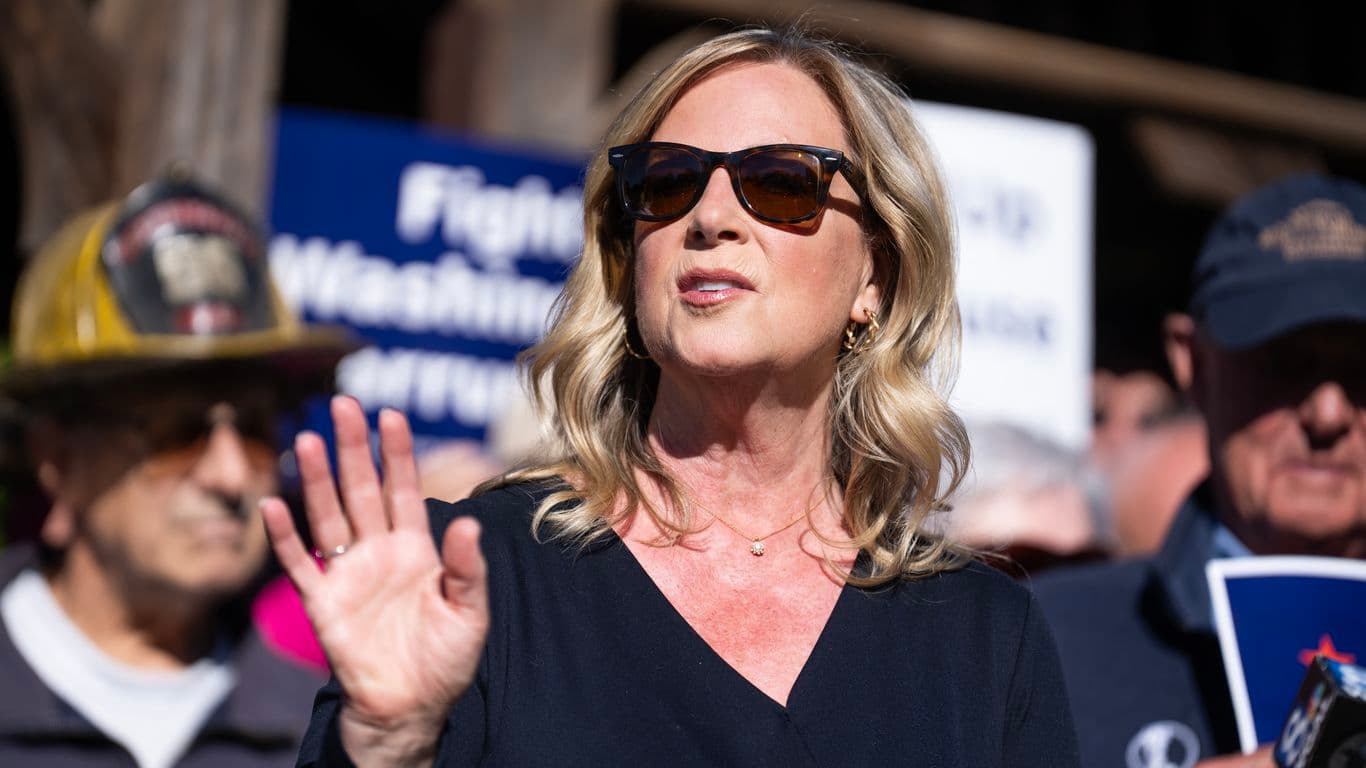
Pennsylvania House candidate targeted by DHS’s statement
Stelson's version of this story ↗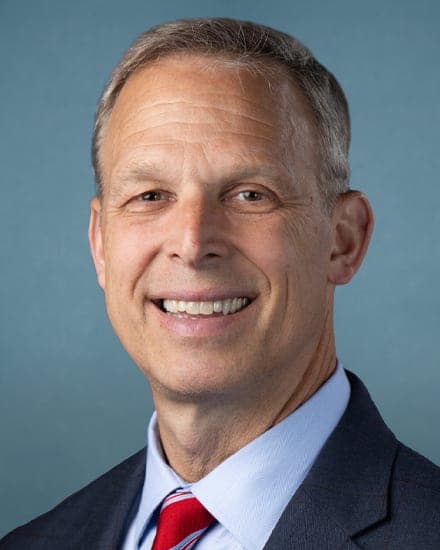
Republican incumbent running against Stelson
Discussion · 0
Loading comments…