House votes overwhelmingly to force release of Epstein files, sending bill to Senate
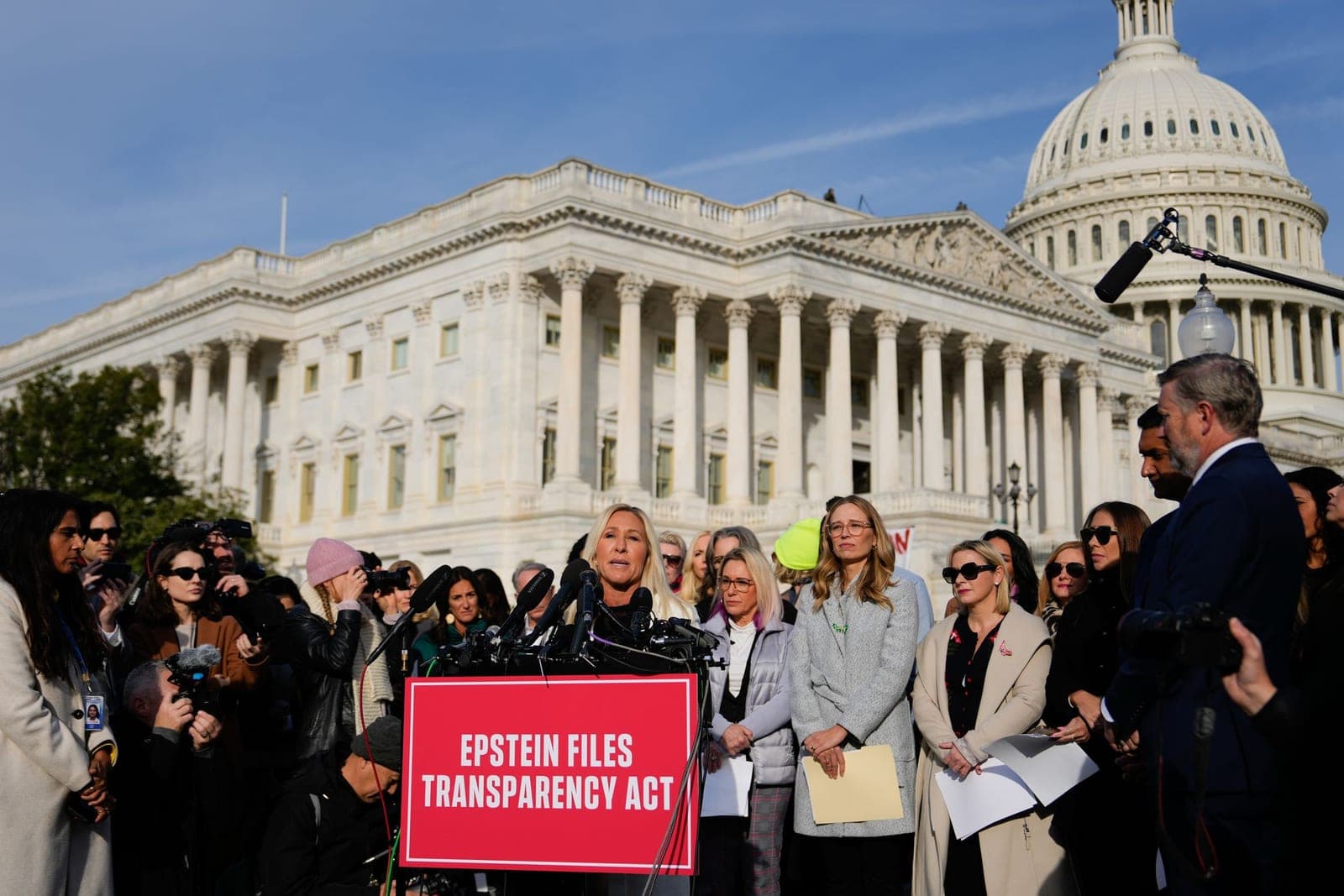
Greene publicly backed the disclosure effort and said the fight over the files had divided Trump's political movement.
SOURCE CHECK
TAP FOR WHYCredibility rates Austin American-Statesman, where this article appeared. The other scores rate the article itself.
The article is Associated Press reporting carried by an established regional newspaper. AP attribution and the named contributing reporters provide clear sourcing and provenance.
- Source type — Associated Press wire reporting, republished by an established regional newspaper.
- Author attribution — The article names its lead reporter and identifies contributing AP reporters.
- Editorial standards — The reporting attributes claims to named officials and quotes opposing concerns alongside support for the bill.
The report gives the vote tally, describes the bill's disclosure requirements and redaction limits, and includes lawmakers' arguments on both sides. It relies mainly on official statements and does not provide much independent detail about implementation or the records themselves.
HOW WE SCORE ↗The article explains the bill's transparency rationale and includes concerns about exposing victims' information and normally private investigative material. It gives more space to supporters and the political push for passage than to those concerns.
- Counterarguments presented — Johnson's concerns about disclosure of sensitive information are included, as is Higgins's stated objection.
- Source diversity — The report quotes lawmakers from both parties and includes survivors' perspectives.
- Loaded language — A few descriptions, including “fold,” frame the reversal critically, but most language is straight reporting.
The report uses mostly neutral language and attributes lawmakers' competing arguments. Its description of Johnson and Trump as having “folded” adds a mildly critical note but does not establish a broader partisan framing.
- Language tone — Mostly factual language, with “fold” and “bowed to political reality” providing a limited critical edge.
- Source selection — Includes statements from supporters and concerns raised by opponents of the bill.
- Framing — Focuses on the bipartisan vote and the pressure behind it, without endorsing a party's position.
Original publisher not identified
This article credits another publisher, which ChamberLight has not identified, so the scores are Austin American-Statesman's own.
The House passed a bill requiring the Justice Department to release its Epstein-related files by a 427-1 vote, and the Senate approved it unanimously. The vote followed months of resistance from President Donald Trump and House Speaker Mike Johnson, both of whom ultimately backed passage.
The bill requires the Justice Department to release files and communications related to Jeffrey Epstein within 30 days. It allows redactions to protect victims and ongoing investigations, but not to prevent embarrassment, reputational harm or political sensitivity. The House passed it 427-1, with Rep. Clay Higgins casting the lone opposing vote; the Senate approved it unanimously without a formal roll call.
The article reports that President Donald Trump had opposed disclosure efforts before saying he would sign the bill and urging Republicans to support it. Speaker Mike Johnson had delayed the House vote and raised concerns about disclosure of sensitive investigative information, but voted for the bill. Rep. Marjorie Taylor Greene backed the effort, while bill sponsors Reps. Thomas Massie and Ro Khanna urged senators not to change it.
Community verdict
13 VOTES
Counts every outlet’s report of this story. See all 20
- Readers of left-leaning coverage: 80% good look
- Readers of right-leaning coverage: not enough votes yet
Votes cast on this page
Votes cast on this page: ▲ 0 · ◆ 0 · ▼ 0
People in this story
SWIPE →Representative who supported the bill and criticized Trump's resistance to disclosure

Speaker of the House who delayed the vote, raised concerns about the bill and ultimately voted for it
Johnson's version of this story ↗
President who had opposed disclosure efforts before saying he would sign the bill and urging Republicans to support it
Trump's version of this story ↗
Representative who cast the only House vote against the bill

Representative and bill sponsor who urged senators not to alter the measure
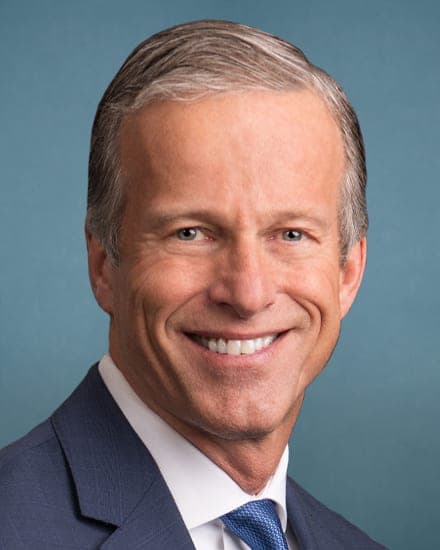
Senate majority leader who rejected the suggestion to amend the bill

Representative whose signature supplied the final support needed for the discharge petition
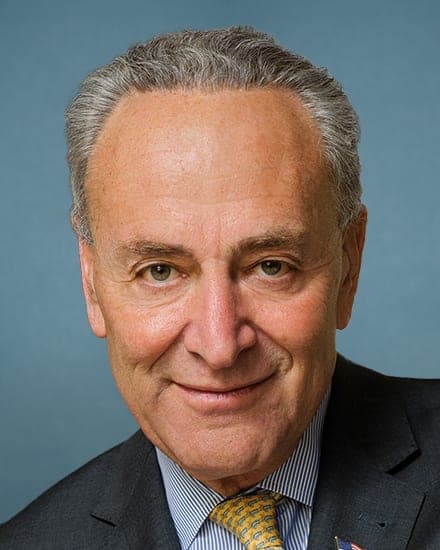
Senate Democratic leader who called for the bill to pass by unanimous consent

Senator who signaled support as the Senate moved to pass the bill

Representative and bill sponsor who urged senators not to alter the measure
Part of a bigger story
18 OUTLETS- ARTICLES
- 20
- OUTLETS
- 18
- AVG CRED
- 70
- Boulder Daily Camera · Page: Epstein case exposes divisions in MAGA unity, but for a good cause
- Jefferson City News Tribune · Republicans hyped Epstein files for years — now Trump's under pressure to deliver
- Washington Blade: LGBTQ News, Politics, LGBTQ Rights, Gay News · MTG should keep up the pressure on Trump, MAGA
Discussion · 0
Loading comments…