Why Did Trump Call Abdul El-Sayed a 'Man of Hate'?
After winning Michigan’s Democratic Senate nomination, El-Sayed answered Trump’s criticism and argued that the focus should be on affordability.
SOURCE CHECK
TAP FOR WHYAttack of the Fanboy is a niche publisher with a named author, but the article gives limited information about its reporting and relies on other outlets and attributed material. Its institutional credibility is below that of established regional or national newsrooms.
- Source type — Niche trade-press publisher rather than a dedicated political newsroom.
- Author attribution — A named author is credited, providing some accountability.
- Editorial standards — The article does not describe its verification or corrections practices.
- Transparency — It attributes some reporting to other outlets but provides little detail about its own reporting process.
The article reports the primary result and includes statements from El-Sayed, Trump and Stevens, while attributing some information to other outlets. It provides useful campaign context but offers limited independent sourcing, detail on the candidates’ competing arguments, or verification of its claims about spending.
HOW WE SCORE ↗The article includes some perspectives from Stevens and reports Trump’s criticism, but El-Sayed’s account and positions dominate. It gives little detail about the arguments of his opponents or independent context for the competing claims.
- Source diversity — Several figures are mentioned, but El-Sayed’s views receive the most sustained attention.
- Counterarguments presented — Stevens’s response is briefly included; Trump’s rationale receives little context beyond the insult and prior post.
- Omitted context — The article offers limited examination of the candidates’ contrasting records and claims.
- Loaded language — The article’s narration is generally restrained, though the headline centers the insult.
The article uses mostly reportorial language but gives substantial emphasis to El-Sayed’s progressive platform and criticism of outside spending, with less detail on Stevens’s case or Trump’s reasons for criticizing him. The framing tilts mildly left without becoming overtly persuasive.
- Framing — The account emphasizes El-Sayed’s progressive win and his critique of outside money.
- Source selection — El-Sayed’s response and positions receive more space than opposing explanations.
- Language tone — Most language is descriptive, with limited loaded phrasing in the article’s own narration.
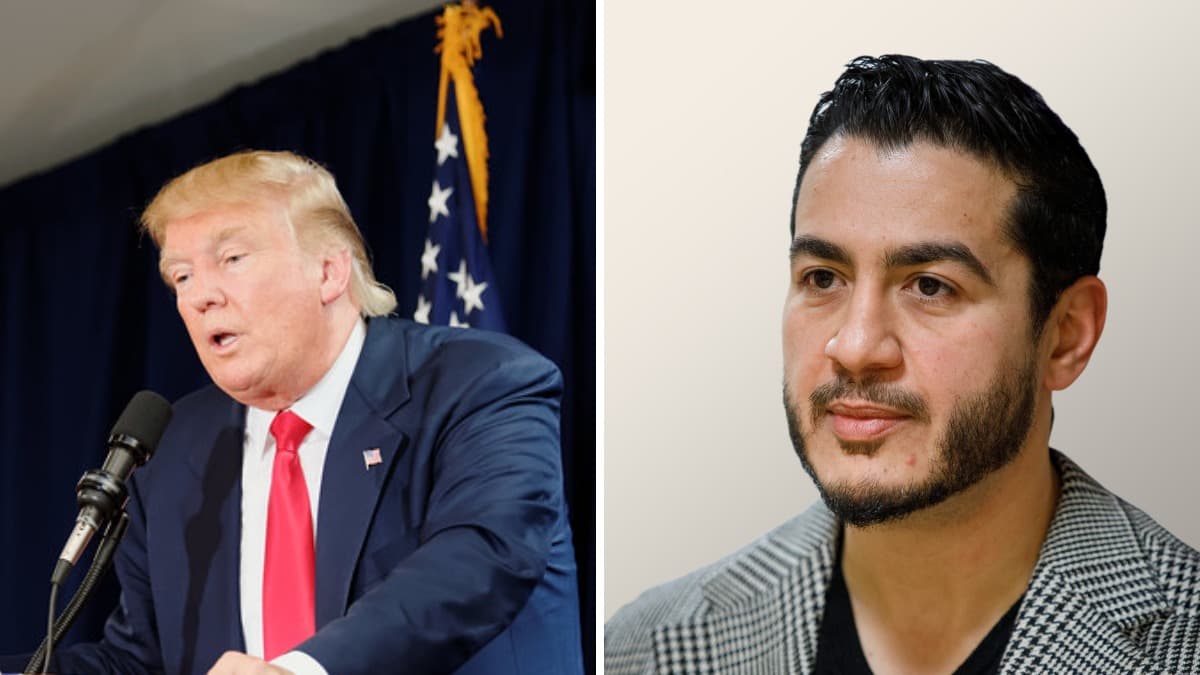
Abdul El-Sayed won Michigan’s Democratic Senate nomination over Haley Stevens, then pushed back after President Donald Trump called him a “man of hate.” El-Sayed said Trump should focus on the economy and affordability instead of personal attacks.
El-Sayed secured the Democratic Senate nomination in Michigan, defeating Rep. Haley Stevens after a primary in which Stevens and her allies spent substantially more, according to the article. The story says Stevens conceded and offered her support, while state Sen. Mallory McMorrow also endorsed El-Sayed.
After Trump criticized El-Sayed at a Las Vegas speech, El-Sayed responded in an interview that Trump “can’t stay on focus.” He argued that the administration should emphasize economic issues, including affordability, rather than personal attacks. The article also describes El-Sayed’s support for Medicare for All and his criticism of outside spending in politics.
Community verdict
9 VOTES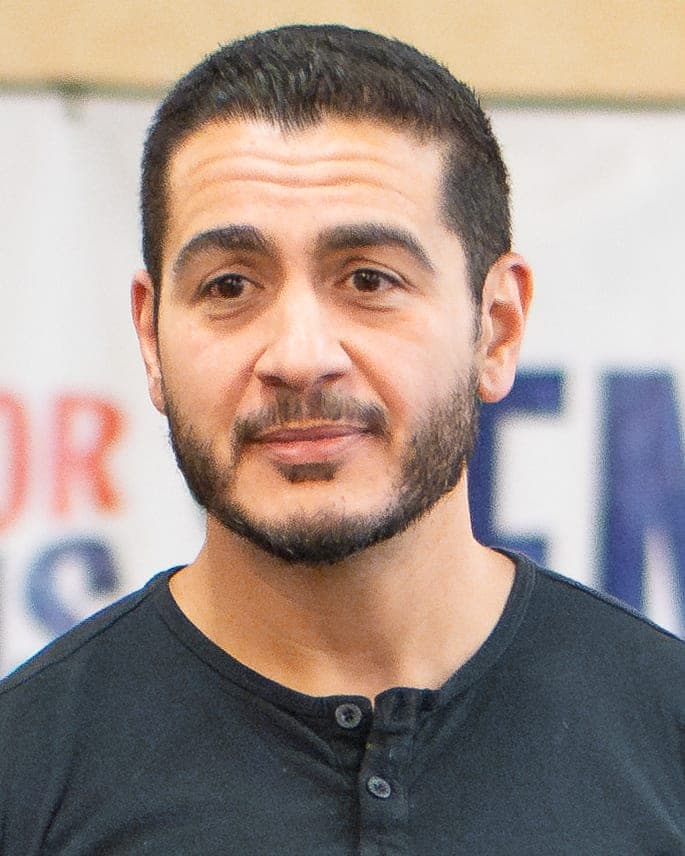
People in this story
SWIPE →Democratic Senate candidate who won the Michigan primary and responded to Trump’s criticism

President who criticized El-Sayed after the Michigan primary
Trump's version of this story ↗
Michigan representative and defeated Democratic Senate primary candidate
Michigan Senate candidate who endorsed El-Sayed after leaving the primary
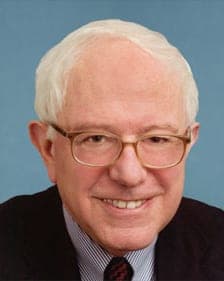
Senator whose ties to El-Sayed were highlighted in ads by National Republicans
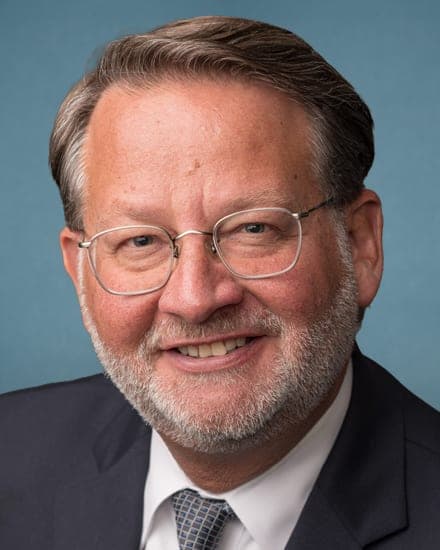
Michigan senator who backed Stevens
Part of a bigger story
23 OUTLETSAbdul El-Sayed won Michigan’s Democratic Senate primary, defeating Haley Stevens. Left-leaning outlets present the win as a grassroots progressive campaign that could challenge corporate influence and build a broader November coalition. Center outlets emphasize efforts to unite Democrats after a divisive primary, while also weighing voter concerns and El-Sayed’s ability to broaden support. Right-leaning outlets stress the electoral risks of his progressive positions and frame his nomination as evidence of a troubling direction for Democrats.
- ARTICLES
- 23
- OUTLETS
- 23
- AVG CRED
- 63
Discussion · 0
Loading comments…