Tim Scott denies attack ad using El-Sayed's full name was meant to signal he's Muslim
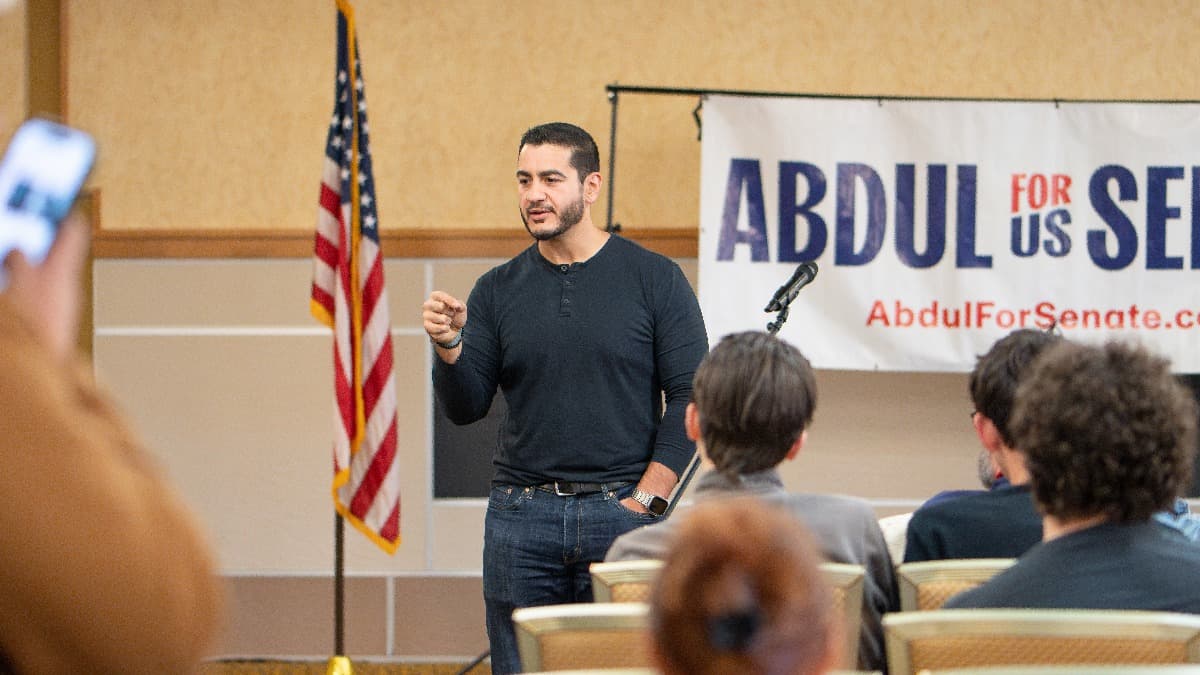
Scott defended a campaign ad targeting Abdul El-Sayed and denied that its use of El-Sayed’s full name was meant to signal his religion.
SOURCE CHECK
TAP FOR WHYThe publisher has a named author and the article attributes some reporting to Mediaite, but the page provides limited evidence of a dedicated political-news operation or robust editorial and corrections practices. Its niche entertainment-oriented publishing context tempers confidence in its institutional reporting standards.
- Source type — A niche publisher rather than an established political-news outlet.
- Author attribution — A named author is credited.
- Transparency — The article attributes some details to Mediaite, but gives limited information about its own reporting process.
- Editorial standards — The page provides little visible evidence of political-reporting standards or a corrections process.
The article gives specific details and quotes from Scott and the interview, and it supplies context for the edited clip. It relies heavily on one interview and does not include a direct response from El-Sayed about the use of his full name or the religious-signaling question.
HOW WE SCORE ↗Scott’s defense and the ad’s claims dominate the article. It adds context about El-Sayed’s full quote and his explanation of it, as well as the comparison critics have drawn, but does not present a direct response from him to the name-use question.
- Source diversity — The account centers on one interview and Scott’s statements, with limited direct response from El-Sayed.
- Counterarguments presented — The article includes context that qualifies the edited clip and reports El-Sayed’s explanation of his words.
- Omitted context — It does not include El-Sayed’s direct view of the ad’s use of his full name.
The article recounts Scott’s denial and the ad’s content in largely descriptive language, while also providing context about the edited quote and comparisons critics have made. Its framing does not show a clear partisan lean.
- Language tone — Mostly descriptive, with direct quotations carrying the sharper claims.
- Source selection — Centers Scott’s interview statements and gives context about El-Sayed and the ad, but little direct response from El-Sayed.
- Framing — Presents the religious-signaling question and Scott’s denial without asserting that either is proven.
Tim Scott denied that a Republican Senate campaign ad using Abdul El-Sayed’s full birth name was meant to draw attention to his religion, saying it focused on El-Sayed’s political positions. The exchange centers on the ad’s wording and Scott’s explanation of its message.
According to the article, Scott was questioned by CNN’s Manu Raju about an ad released by the National Republican Senatorial Committee that used El-Sayed’s full birth name. Scott said the ad was not intended to signal that El-Sayed is Muslim and argued that it focused on his political positions, including positions on policing, ICE and the border.
The article reports that the ad described El-Sayed as “the most radical Senate candidate in America” and used an edited clip of him saying he was “pretty damn dangerous.” It notes that El-Sayed’s full quote referred to being dangerous to Chuck Schumer, and says El-Sayed explained that he meant he challenged established political figures and institutions. The article also compares the use of El-Sayed’s full name with Donald Trump’s past references to Barack Obama by his full name.
Community verdict
4 VOTES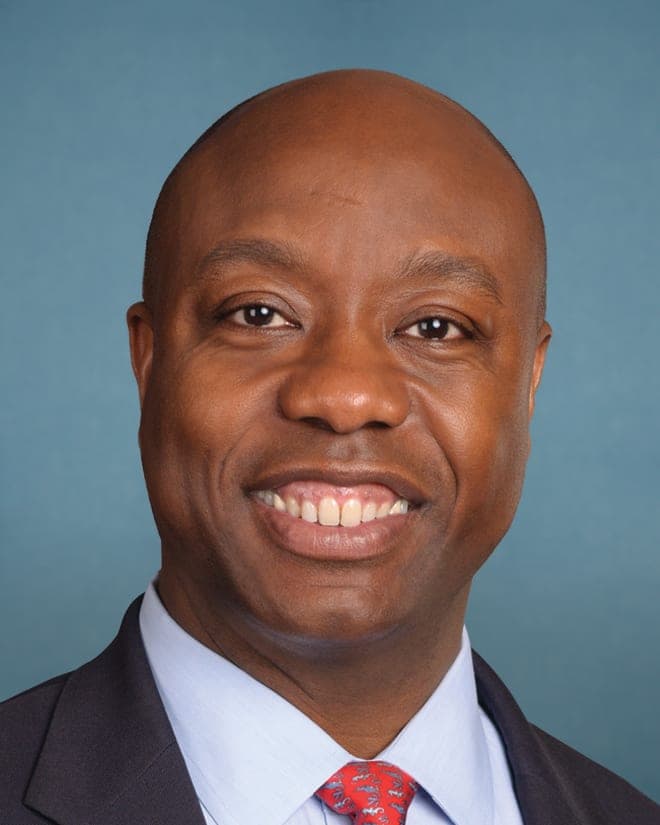
People in this story
SWIPE →Senator and chair of the National Republican Senatorial Committee

President, mentioned in a comparison with his past references to Barack Obama
Republican Senate candidate in Michigan
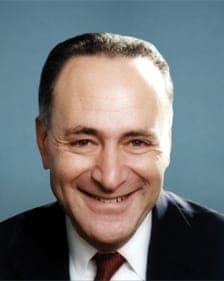
Senate minority leader, referred to in El-Sayed’s quoted remark
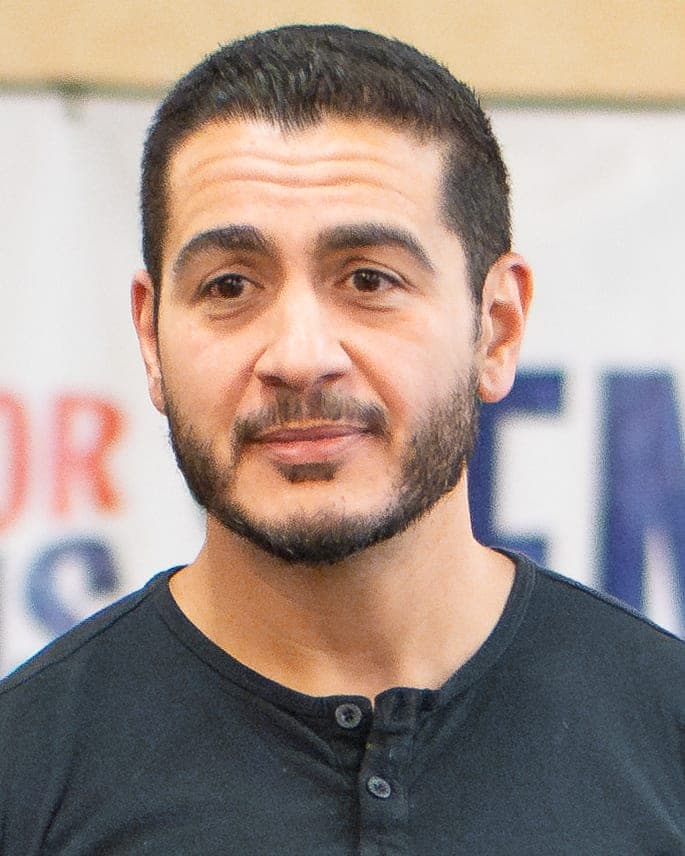
Michigan Senate candidate targeted by the ad
Part of a bigger story
2 OUTLETS- ARTICLES
- 2
- OUTLETS
- 2
- AVG CRED
- 59
Discussion · 0
Loading comments…