Trump's trade war with Canada could rattle economies in states with key Senate races
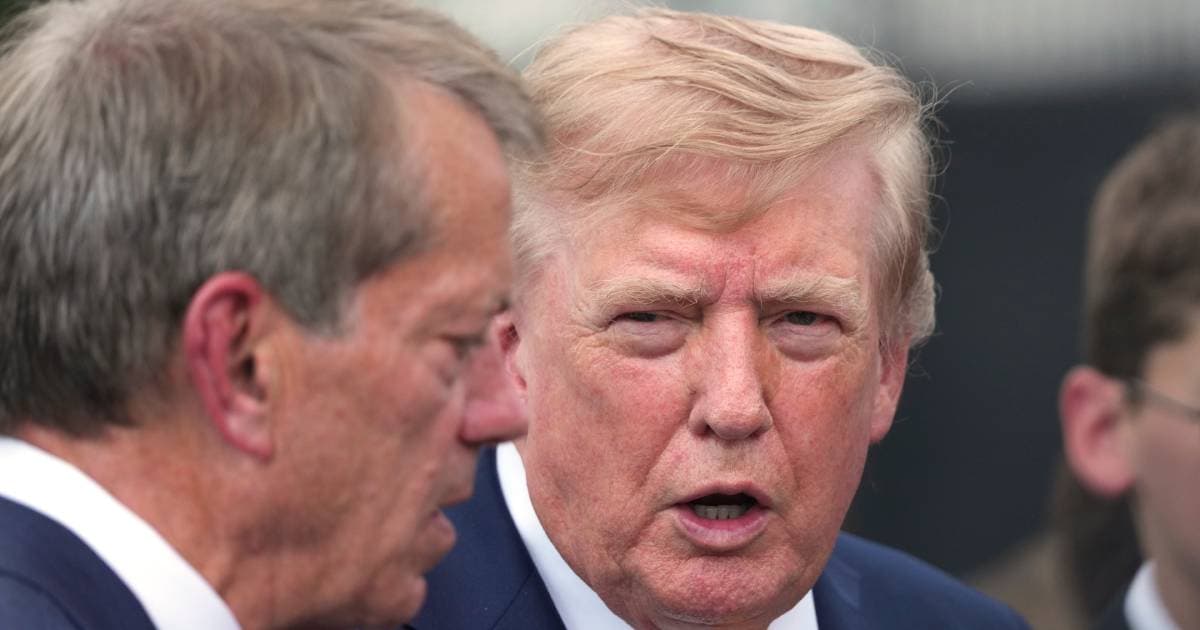
Trump raised tariffs on Canadian imports and defended the policy as a demand for fairer trade.
SOURCE CHECK
TAP FOR WHYAsiaOne is an established news publisher, but the page provides no author attribution and the publisher has no site rating here. The article attributes key statements to named officials and campaign representatives, though the page itself gives limited information about its reporting and corrections practices.
- Source type — Recorded as local news; the article covers a U.S. political and economic story for an international audience.
- Author attribution — No author is identified in the metadata.
- Transparency — The article identifies several people quoted or cited, but the page provides no visible information about corrections or reporting standards.
- Track record — No publisher rating or prior-story record is provided for this assessment.
The report includes attributed comments from politicians, an administration trade official, a former adviser, and campaign representatives, and it gives examples of the states and industries potentially affected. The administration’s defense is included, although the account offers limited independent detail on the likely economic effects.
HOW WE SCORE ↗The report presents criticism from Collins and Democratic candidates, along with Trump’s and Vance’s arguments and a trade official’s effort to downplay the impact. It gives less detail to the administration’s economic rationale and relies in part on campaign and political-committee statements.
- Counterarguments presented — The administration’s fairness argument and its trade official’s assessment are included alongside criticism of the tariffs.
- Source diversity — Sources include officeholders, candidates, an administration official, a former adviser, and campaign representatives.
- Omitted context — The article offers limited independent evidence about the scale or likelihood of economic effects.
- Loaded language — Some forceful wording appears in attributed remarks; the article’s own framing is generally measured.
The article describes the economic and electoral risks of the tariffs but attributes the critical assessments to named sources and includes the administration’s defense. Its language and framing do not show a clear partisan lean.
- Source selection — Includes critics of the tariffs as well as Trump, Vance, and the U.S. trade representative.
- Language tone — Mostly restrained reporting, with pointed characterizations such as “trade war” presented alongside attributed statements.
- Framing — Frames the dispute around possible economic effects and Senate races, without clearly endorsing a party’s position.
The article reports that escalating U.S.-Canada tariffs could raise costs and put pressure on candidates in Senate races in border states. Sen. Susan Collins and Ohio candidates Sherrod Brown and Jon Husted have taken different positions on the dispute and the administration’s trade approach.
The article says negotiations between the United States and Canada broke down, after which President Donald Trump raised tariffs on Canadian imports. Canada planned to announce retaliatory tariffs, and the article reports concerns that the dispute could raise prices and disrupt supply chains. Susan Collins called the new tariffs a mistake and said they could hurt businesses and consumers in Maine.
The article describes the trade dispute as a political issue in several Senate races. Abdul El-Sayed criticized Trump’s actions and accused his Republican opponent, Mike Rogers, of supporting them. In Ohio, Sherrod Brown criticized Trump’s approach, while Jon Husted had urged caution in trade negotiations and also praised the administration’s economic agenda. Trump defended his tariff policy, and Vice President J. D. Vance said the administration sought fairness in trade.
Community verdict
17 VOTES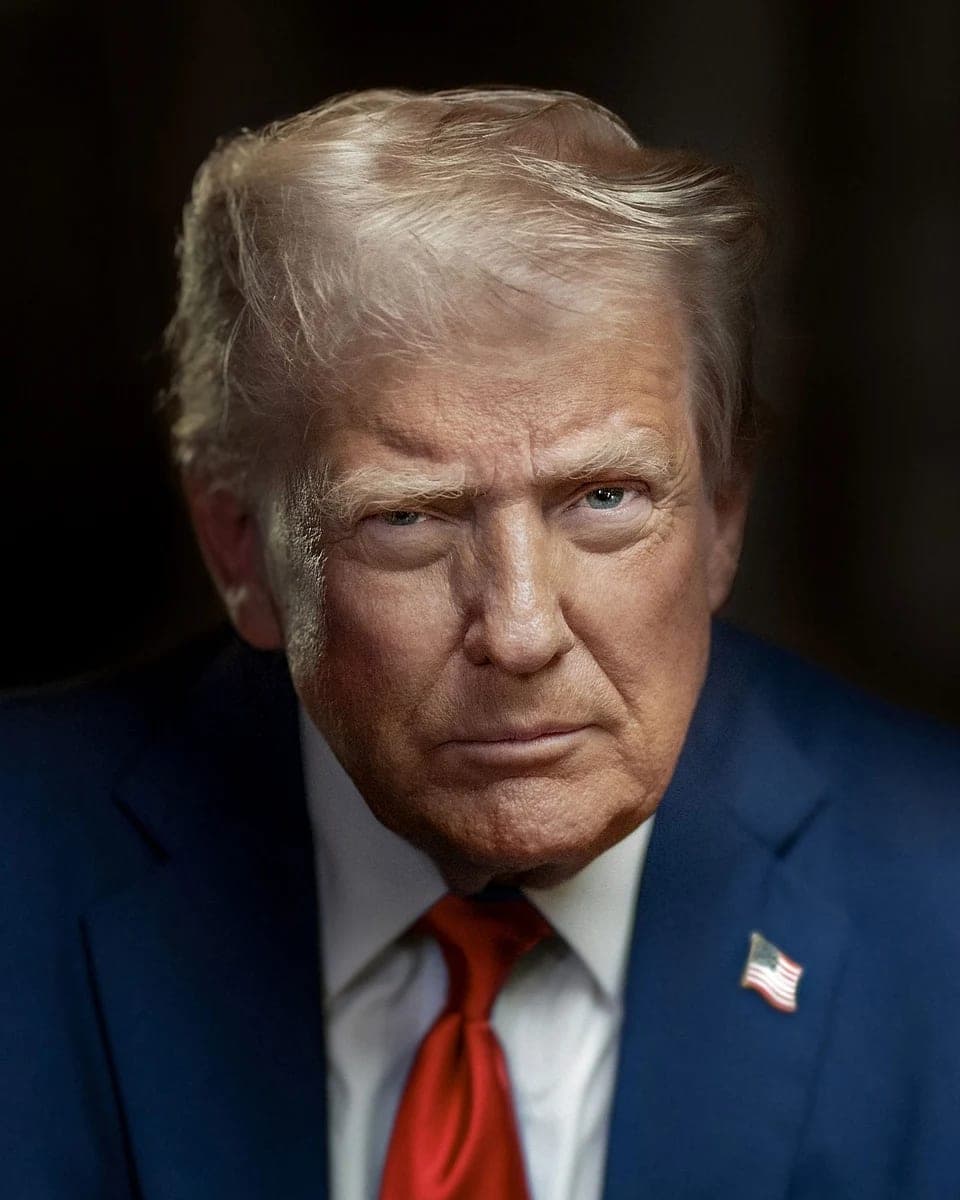
People in this story
SWIPE →President whose tariffs on Canada are the central subject of the article.

Former Ohio senator and candidate challenging Jon Husted who criticized Trump’s tariff approach.
Brown's version of this story ↗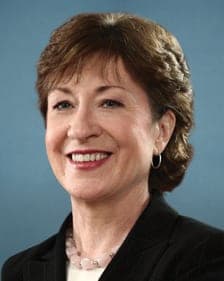
Maine senator who criticized the new tariffs and is campaigning to hold her seat.
Collins's version of this story ↗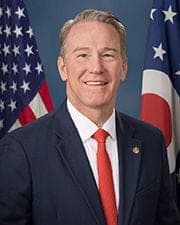
Ohio senator whose trade positions and support for the administration’s economic agenda are discussed.
Husted's version of this story ↗Republican Senate candidate in Michigan.

U.S. trade representative who said the dispute was not expected to have a large impact.
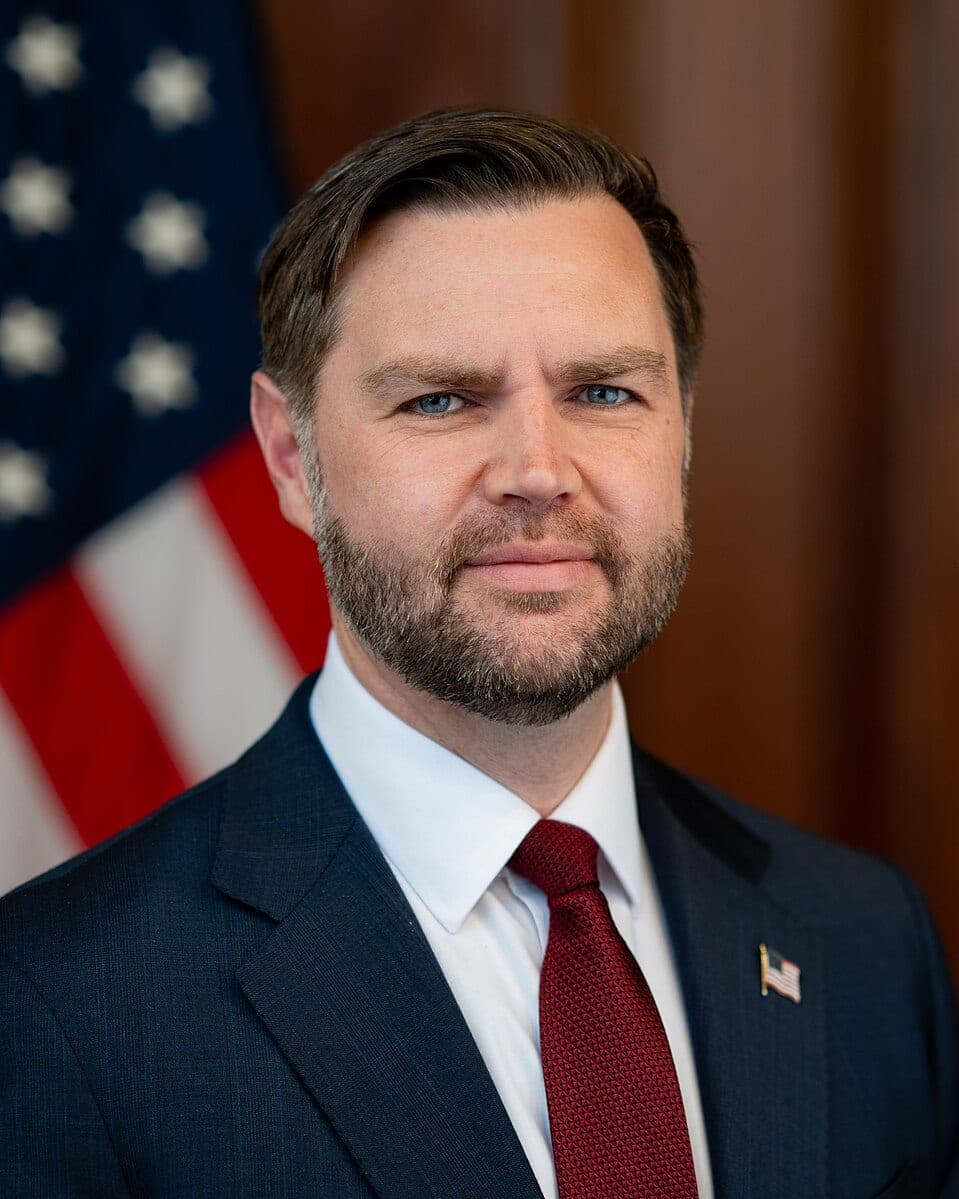
Vice president who defended the administration’s approach to trade during a visit to Maine.

Michigan Democratic Senate candidate who criticized Trump’s tariffs and his Republican opponent.

Maine Democratic Senate candidate challenging Collins who criticized her stance toward the president.
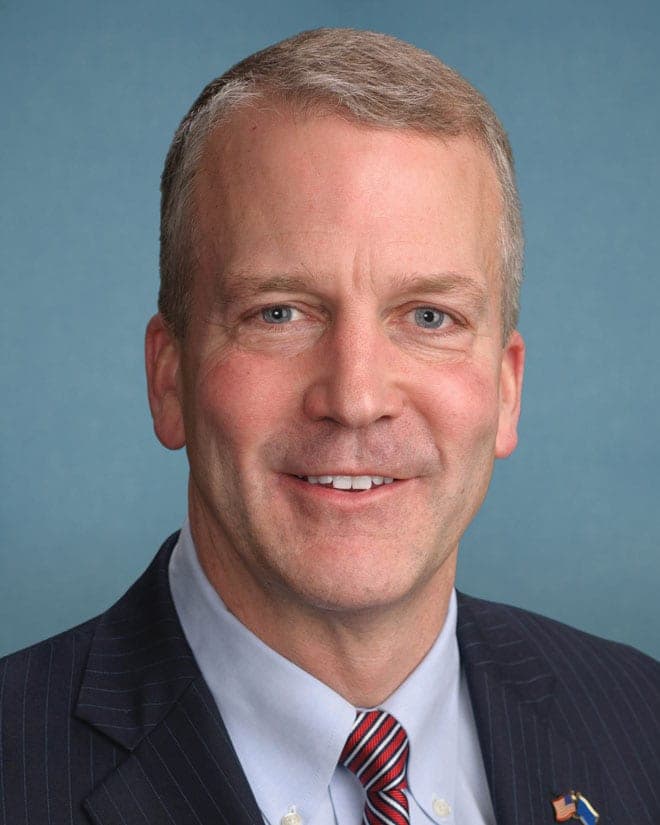
Alaska senator targeted by a political action committee advertisement about tariffs and costs.
Part of a bigger story
11 OUTLETSTrump escalated tariffs on Canadian imports, and center outlets describe possible economic effects in states with competitive Senate races. Center outlets emphasize potential costs and trade disruption, while treating the policy as an issue in competitive Senate races.
- ARTICLES
- 11
- OUTLETS
- 11
- AVG CRED
- 84
Discussion · 0
Loading comments…