How a huge blindspot blew the Michigan primary predictions
Stevens lost the primary to El-Sayed, and the article discusses county voting patterns and expectations about her support.
SOURCE CHECK
TAP FOR WHYAlterNet is an established opinion-oriented publisher, but the article’s source type and interpretive framing warrant a lower score than a newsroom focused on straight reporting. It identifies an author and attributes its key claims, though it provides limited original sourcing.
- Source type — Recorded as opinion; the piece uses an interpretive frame rather than straight news reporting.
- Author attribution — The article names Matthew Rozsa as its author.
- Transparency — The article attributes poll data and prior reporting, but offers limited detail about its own reporting process.
- Editorial standards — AlterNet is an established publisher, though this article is opinion-oriented.
The article attributes its central county-level figures to Frank Luntz and includes examples of prior media coverage. Its evidence is limited, however, and it does not examine the data in depth or include responses from the analysts whose predictions it critiques.
HOW WE SCORE ↗The article presents Luntz’s interpretation and quotes earlier reporting about race, but it gives little space to alternative explanations or responses from the forecasters it criticizes.
- Source diversity — The article references a pollster and several media reports, but relies mainly on Luntz’s interpretation of the county figures.
- Counterarguments presented — It acknowledges that race was a variable but does not develop competing explanations in detail.
- Omitted context — It does not provide detailed polling methodology or broader analysis of the vote data.
- Loaded language — The headline and article characterize the forecasts as having a blind spot and being imprecise.
The article criticizes election forecasts for overlooking education, but its framing does not clearly favor a political party or ideological position. Its focus is on the accuracy and assumptions of political predictions.
- Framing — It presents education as an overlooked factor alongside race in explaining the result.
- Language tone — The article uses critical language about forecasts but does not direct that criticism along a clear partisan line.
- Source selection — It cites a pollster and prior coverage from several media outlets.
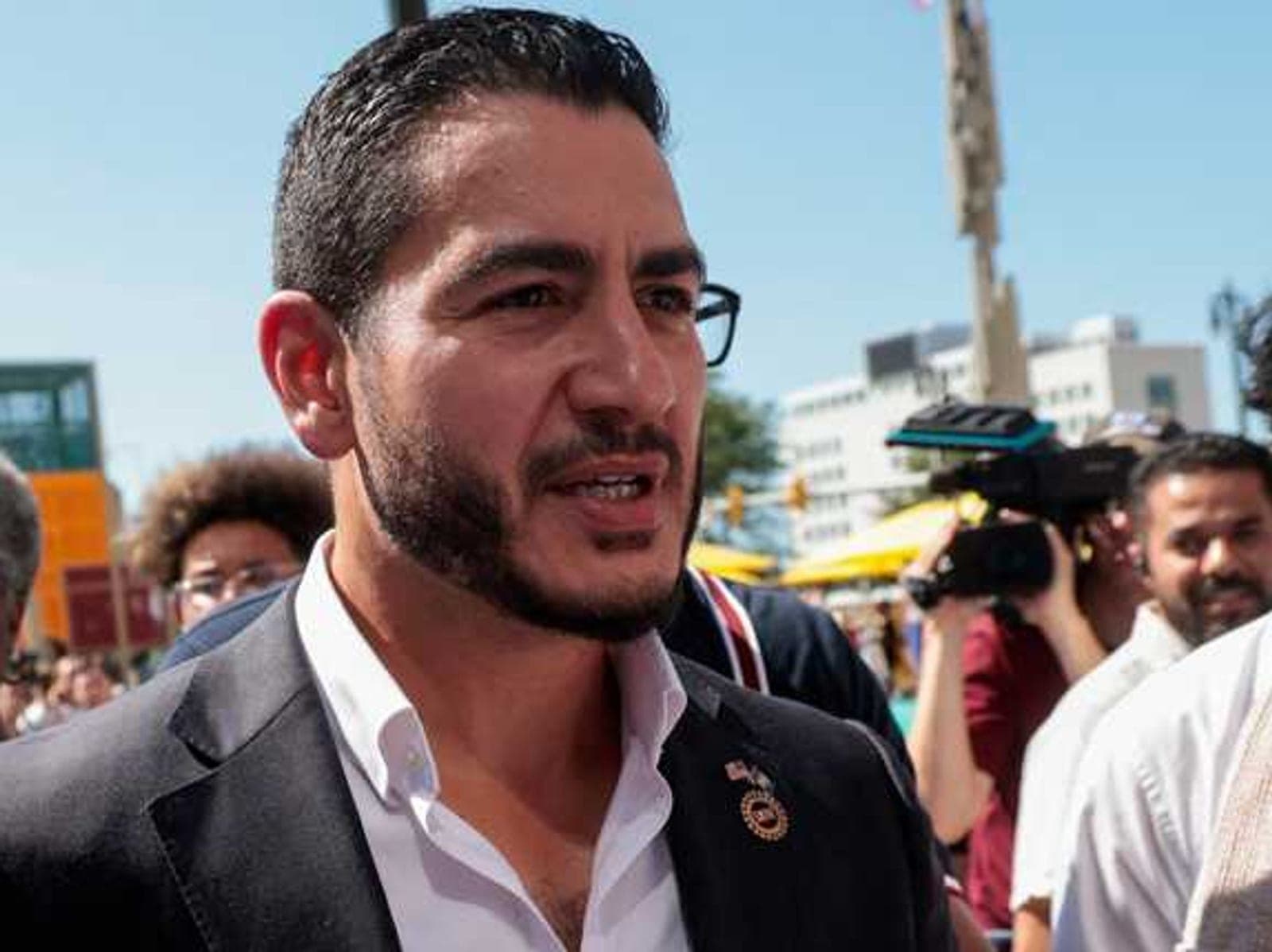
Abdul El-Sayed defeated Rep. Haley Stevens in Michigan’s Democratic Senate primary, and the article argues that education level—not only race—helped explain voting patterns and why predictions missed the result.
The article reports that Abdul El-Sayed won the Democratic primary over Rep. Haley Stevens by less than one point. Pollster Frank Luntz said El-Sayed performed better in counties where at least 30 percent of adults had college degrees, while Stevens won counties below that threshold.
The article says media coverage had emphasized how Black voters might affect the race, and presents education as another factor. It cites earlier reporting about those expectations and notes that some Black Democrats described concerns about the 2024 Uncommitted movement and a perceived connection between El-Sayed and activists who opposed Kamala Harris.
Community verdict
9 VOTES
People in this story
SWIPE →Representative and Democratic Senate candidate who lost Michigan’s primary
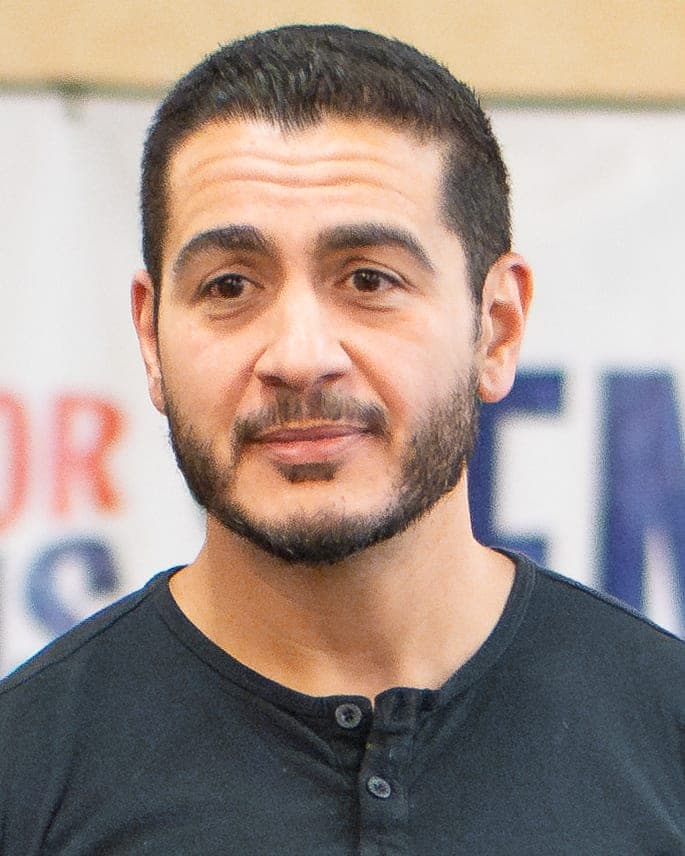
Democratic Senate candidate who won Michigan’s primary
El-Sayed's version of this story ↗

Former president referenced in connection with Michigan’s 2024 Uncommitted primary movement
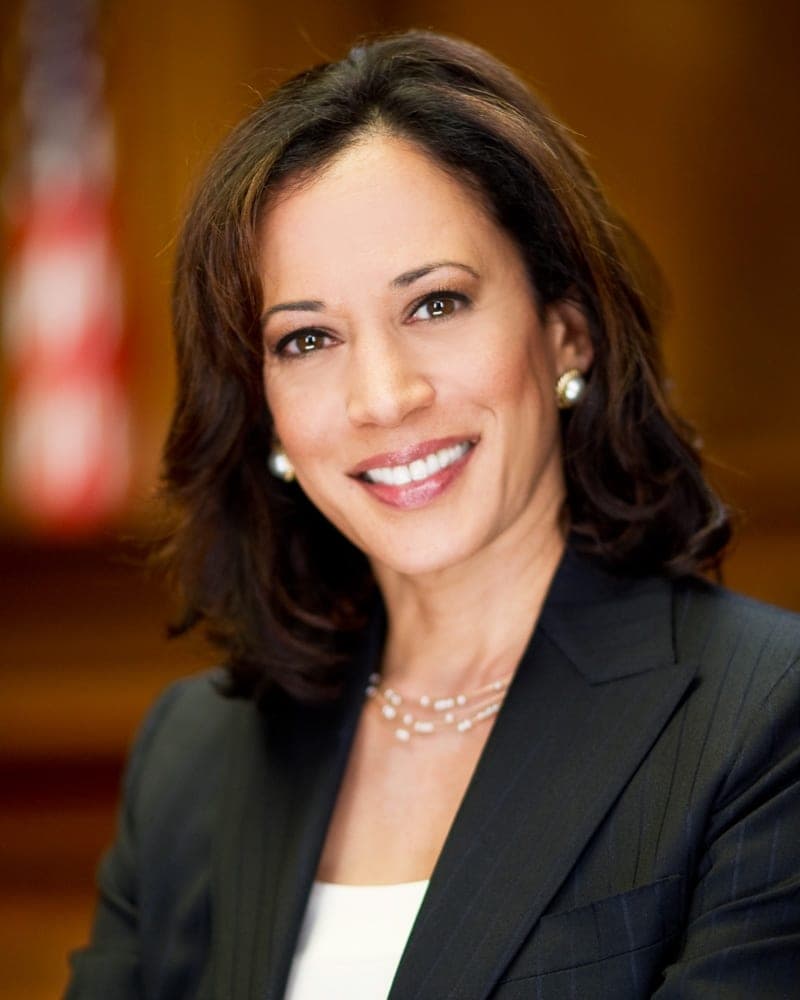
Former vice president and 2024 presidential candidate referenced in discussion of Michigan’s Uncommitted movement
Part of a bigger story
2 OUTLETS- ARTICLES
- 2
- OUTLETS
- 2
- AVG CRED
- 45
Discussion · 0
Loading comments…